


Monopoly vs Monopoly Party
Side-by-side comparison of features, pricing, ratings, and alternatives.
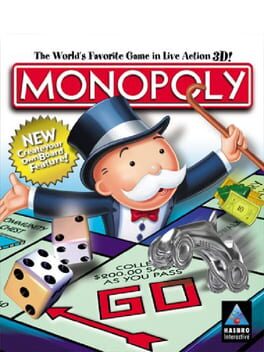
Monopoly brings the iconic property‑trading board game to PC and Mac, letting you roll dice, buy streets, and collect rent in a fully animated virtual world. The digital version adds quick‑save, AI opponents, and online multiplayer while preserving the familiar rules that generations love. Play solo against clever AI, host a family game night, or challenge strangers online. With customizable house rules and themed boards, Monopoly offers endless replay value for both casual families and competitive board‑game fans.
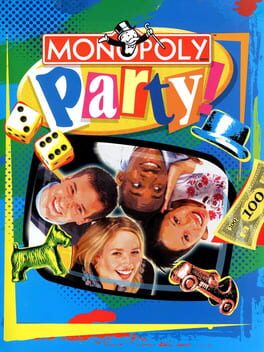
Monopoly Party turns the classic property‑trading game into a chaotic, real‑time showdown. All players roll and move together, creating a frantic buying, trading, and building frenzy. The game keeps the familiar Go, Community Chest, and property mechanics while adding split‑screen multiplayer for up to four players, making it perfect for parties and family game nights.
- Authentic recreation of the classic board game
- Robust AI with multiple difficulty levels
- Customizable house rules for varied play styles
- Cross‑platform multiplayer between PC and Mac
- Simultaneous turns keep the game fast and exciting.
- Split‑screen support for local multiplayer.
- Familiar Monopoly mechanics with a fresh twist.
- Easy to learn for players of all ages.
- Limited to PC and Mac, no console support
- Online matchmaking can be slow during peak times
- Graphics are functional but not high‑end
- Limited to PlayStation 2 platform.
- No online multiplayer options.
- Graphics are dated by modern standards.
More alternatives & similar tools
Alternatives to Monopoly
View all →Alternatives to Monopoly Party
View all →
Travel across Western Japan in the classic board‑game style of Momotaro Dentetsu
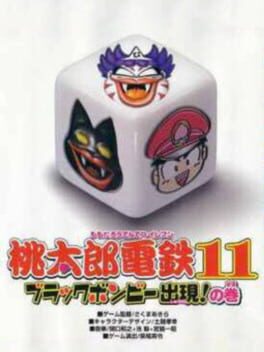
Japan's classic railway board game goes digital with new Black Bonbii twists.
The Verdict
AI-generated from listing dataMonopoly offers cross‑platform PC/Mac play with AI and custom rules, while Monopoly Party delivers fast, split‑screen local multiplayer on PS2 only.
Key differences
- •Platform: Monopoly runs on PC and Mac; Monopoly Party is PS2‑only.
- •Multiplayer style: Monopoly uses turn‑based online or local play; Monopoly Party uses simultaneous turns with split‑screen local play.
- •Game speed: Monopoly Party is designed for rapid, party‑style sessions; Monopoly follows classic slower turn‑based pacing.
- •Online features: Monopoly includes online leaderboards and matchmaking; Monopoly Party has no online component.
- •Release era: Monopoly (1995) has older graphics but functional; Monopoly Party (2002) has dated PS2 graphics.
Gameplay & fun factor
Monopoly Party’s simultaneous turns create faster, party‑style fun, whereas classic Monopoly is slower turn‑based.
Platform availability
Monopoly runs on both PC and Mac; Monopoly Party is limited to PlayStation 2.
Price & value
Both are paid one‑time titles; specific price only listed for Monopoly ($19.99).
Multiplayer / co‑op
Monopoly supports online multiplayer up to six players and cross‑platform play; Monopoly Party only supports local split‑screen for up to four.
Content & replayability
Monopoly includes AI opponents, custom house rules, leaderboards, and quick‑save; Monopoly Party lacks these features.
Difficulty & accessibility
Monopoly offers adjustable AI difficulty and a tutorial; Monopoly Party provides no AI or tutorial modes.
Graphics & performance
Both are described as functional but not high‑end; each uses graphics appropriate to its era.
Choose Monopoly if…
Players who want online or cross‑platform play, AI opponents, and classic Monopoly depth.
Choose Monopoly Party if…
Groups seeking quick, local party games on a PS2 with simultaneous turns.
Common questions
Can I play with friends online?
Monopoly supports online multiplayer; Monopoly Party only offers local split‑screen.
Do either games work on consoles other than PS2?
Monopoly runs on PC and Mac; Monopoly Party is PS2‑only.
Is there a way to speed up gameplay?
Monopoly Party uses simultaneous turns for faster play; Monopoly follows traditional turn‑based pacing.