


MSI GeForce RTX 3070 Ventus 3X vs NVIDIA GeForce RTX 5070 Ti
Side-by-side comparison of features, pricing, ratings, and alternatives.

The MSI GeForce RTX 3070 Ventus 3X delivers powerful 1440p and entry‑level 4K gaming performance, built on NVIDIA's Ampere architecture. It features a robust triple‑fan TORX 4.0 cooling system that keeps temperatures low even under heavy loads. Designed for enthusiasts, this card offers 8GB GDDR6 memory, a 256‑bit bus, and support for ray tracing and DLSS, providing immersive visuals and smooth frame rates. Its compact dual‑slot design fits most mid‑tower cases while maintaining high efficiency.
The NVIDIA GeForce RTX 5070 Ti is a powerful graphics card designed for gamers and content creators. With 16GB of GDDR7 memory and support for DLSS 4 frame generation, this card delivers fast performance and stunning visuals. Whether you're playing the latest games or creating 3D models, the RTX 5070 Ti has the power to bring your ideas to life.
- Strong 1440p performance with ray tracing
- Effective triple‑fan cooling
- DLSS support for higher frame rates
- Reasonable price for Ampere tier
- Fast performance
- Supports latest graphics technologies
- High-quality visuals
- Wide compatibility
- No HDMI 2.1 support (only HDMI 2.0)
- Runs hot under sustained 4K load
- Limited overclock headroom compared to higher‑end models
- Expensive
- Power-hungry
- Large size may not fit in all cases
More alternatives & similar tools
Alternatives to MSI GeForce RTX 3070 Ventus 3X
View all →
Unlock next-gen gaming and content creation with Blackwell-generation graphics
Alternatives to NVIDIA GeForce RTX 5070 Ti
View all →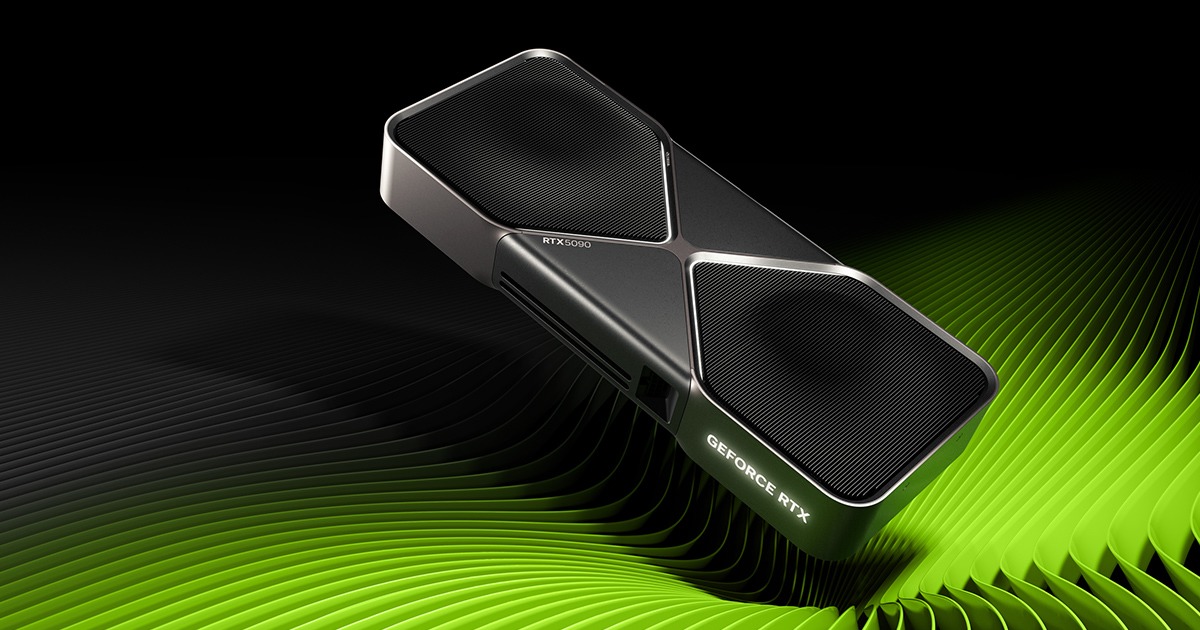
Unleash next‑gen performance with Blackwell AI acceleration
The Verdict
AI-generated from listing dataThe RTX 5070 Ti offers cutting‑edge performance and newer tech but costs more and draws significantly more power, while the RTX 3070 Ventus provides solid 1440p gaming at a lower price and power envelope.
Key differences
- •GPU architecture: RTX 5070 Ti uses Blackwell (newer) vs RTX 3070’s Ampere.
- •Memory: 16 GB GDDR7 on 5070 Ti vs 8 GB GDDR6 on 3070.
- •Power draw: 300 W TDP for 5070 Ti vs unspecified (but lower) for 3070.
- •PCIe interface: 5.0 x16 on 5070 Ti vs 4.0 x16 on 3070.
- •Price: 3070 listed at $529; 5070 Ti price not given but implied higher.
Performance
5070 Ti has 8960 shader cores, higher clocks, and DLSS 4 frame generation, indicating superior raw performance.
Build quality
3070 includes MSI's TORX 4.0 triple‑fan system and dual BIOS, offering proven cooling and flexibility.
Connectivity
Only 3070 specs mention HDMI (2.0) and RGB; 5070 Ti connectivity details not provided.
Power & efficiency
3070’s power requirements are unspecified but expected lower than 5070 Ti’s 300 W TDP, making it more efficient.
Compatibility
5070 Ti uses PCIe 5.0 x16, future‑proofing for newer platforms; 3070 limited to PCIe 4.0.
Price & value
3070 has a listed MSRP of $529; 5070 Ti price not given but described as expensive.
Warranty & support
3070 includes a 2‑year limited warranty; no warranty info provided for 5070 Ti.
Choose MSI GeForce RTX 3070 Ventus 3X if…
Budget‑conscious gamers targeting 1440p or occasional 4K, who prefer lower power draw and a known warranty.
Choose NVIDIA GeForce RTX 5070 Ti if…
Enthusiasts needing top‑tier performance, ray tracing, and future‑proof PCIe 5.0, and willing to pay premium power costs.
Common questions
Is the RTX 5070 Ti worth the extra cost over the RTX 3070?
It offers newer architecture, double memory, and higher performance, but is described as expensive and power‑hungry.
Will the RTX 3070 fit in smaller cases?
Yes; its dimensions (285 mm × 130 mm × 40 mm) are modest, while the 5070 Ti is noted as large and may not fit all cases.
Which card supports the latest DLSS version?
The RTX 5070 Ti supports DLSS 4 frame generation; the RTX 3070 supports DLSS (version not specified).