


Nemesis: The Wizardry Adventure vs Wizardry: Proving Grounds of the Mad Overlord
Side-by-side comparison of features, pricing, ratings, and alternatives.
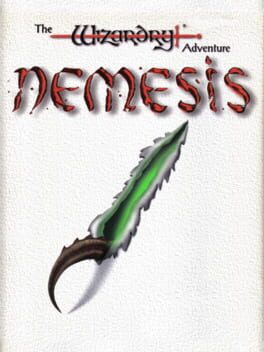
Nemesis: The Wizardry Adventure thrusts players into a dark, magical realm plagued by an ancient evil that once annihilated a civilization. As a lone adventurer, you must uncover the secrets of the Nitherin talismans, solve intricate puzzles, and battle terrifying foes across forests, castles, and hidden ruins. The game features stunning 3D graphics across five CDs, real-time combat, rich digital speech, and a full stereo soundtrack, delivering an immersive single‑player RPG experience that blends mystery, magic, and terror.
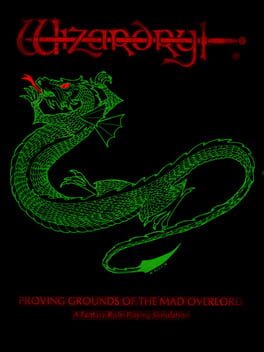
Choose from four base classes and evolve into elite roles like Bishop, Samurai, Lord, or Ninja, then explore a 3‑D vector maze filled with monsters, puzzles, and hidden secrets. The game blends classic RPG mechanics with a rich fantasy narrative, offering a challenging single‑player experience that defined the genre in the early 1980s.
- Atmospheric 3D graphics for its era
- Engaging real-time combat system
- Rich audio with full stereo soundtrack
- Deep puzzle integration with story
- Deep party customization
- Rich class evolution system
- Challenging multi‑level dungeon
- Historical significance in RPG genre
- Dated interface compared to modern standards
- Limited save system can be unforgiving
- High difficulty may deter casual players
- Outdated user interface
- Limited graphics by modern standards
- Steep learning curve for new players
More alternatives & similar tools
Alternatives to Nemesis: The Wizardry Adventure
View all →
Solve the ultimate riddle and claim unimaginable wealth in a classic fantasy adventure.
Classic turn‑based dungeon crawl with 10‑level labyrinth of mythic depth
A dark fantasy point‑and‑click adventure set in the World of Aden

Alternatives to Wizardry: Proving Grounds of the Mad Overlord
View all →
The epic conclusion to the classic Wizardry saga, blending deep role‑playing with a rich fantasy world.

Play as the evil Archmage seeking revenge in a deadly labyrinth
Explore a haunted fantasy world where ancient talismans hold deadly power
The Verdict
AI-generated from listing dataWizardry: Proving Grounds offers classic turn‑based depth and extensive class customization, while Nemesis delivers real‑time combat with richer audio and 3D environments; choose based on whether you prefer old‑school strategy or more action‑oriented adventure.
Key differences
- •Combat style: turn‑based (A) vs real‑time (B)
- •Audio: basic 1981 sound (A) vs full stereo soundtrack and digital speech (B)
- •Graphics era: 1981 vector maze (A) vs 1996 atmospheric 3D graphics (B)
- •Class system: deep evolution into elite archetypes (A) vs no class evolution mentioned (B)
- •Content scope: single 10‑level dungeon (A) vs sprawling 3D world across five CDs (B)
Gameplay & fun factor
A offers deep strategic turn‑based play; B provides fast‑paced real‑time combat—preference decides.
Platform availability
Only release date listed; no platform details for B, so A is the only confirmed PC-era title.
Price & value
Both are one‑time paid titles; no price differences provided.
Multiplayer / co‑op
Both are single‑player only; no advantage for either.
Content & replayability
B spans a sprawling 3D world across five CDs, offering more varied locations than A's single 10‑level dungeon.
Difficulty & accessibility
A has a steep learning curve but turn‑based combat is generally more accessible than B's timing‑heavy real‑time combat.
Graphics & performance
B's 1996 atmospheric 3D graphics and full stereo soundtrack surpass A's 1981 graphics and sound.
Choose Nemesis: The Wizardry Adventure if…
Players who prefer action‑oriented, real‑time combat with richer audio and larger 3D worlds.
Choose Wizardry: Proving Grounds of the Mad Overlord if…
Fans of classic, strategic turn‑based RPGs who value deep class customization.
Common questions
Do either of the games support modern operating systems?
Not specified in the provided facts.
Is there a save‑anywhere feature?
A requires manual saves; B mentions a limited save system but details are not specified.
Which game has more content to explore?
B offers a sprawling 3D world across five CDs, whereas A is limited to a single 10‑level dungeon.