


New Super Mario Bros. 2 vs Super Mario Bros. 3
Side-by-side comparison of features, pricing, ratings, and alternatives.
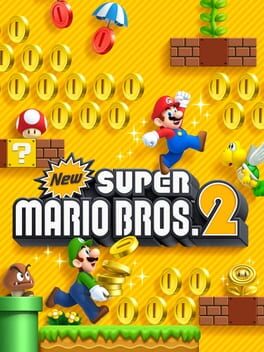
New Super Mario Bros. 2 brings the beloved side‑scrolling Mario experience to handheld gaming, focusing on massive coin collection and fast‑paced levels. Players dash, jump, and power‑up through vibrant worlds while competing for high scores. The game supports both solo play and cooperative multiplayer, letting friends team up locally to tackle challenges together. With polished controls and a variety of power‑ups, it offers endless replay value for both newcomers and longtime fans.
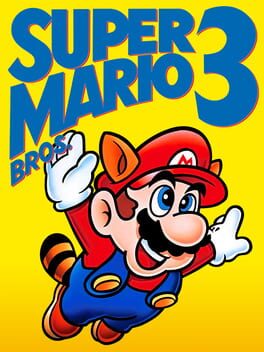
Super Mario Bros. 3 takes players on a vibrant journey across eight distinct worlds, each packed with hidden secrets, power‑ups, and challenging enemies. With its innovative map system and diverse level design, the game offers endless replayability for both newcomers and seasoned gamers. Originally released in 1988, this timeless classic continues to captivate audiences with its tight controls, memorable music, and imaginative level themes, solidifying its place as a cornerstone of the platform genre.
- Engaging coin-collecting mechanics
- Smooth local co‑op experience
- Bright, nostalgic visuals
- Varied level design with hidden secrets
- Timeless level design
- Rich variety of power‑ups
- High replay value
- Great for co‑op play
- Limited to handheld platform
- No online multiplayer
- Repetitive music in some stages
- Limited modern accessibility options
- No online multiplayer
- Graphics are dated by today’s standards
More alternatives & similar tools
Alternatives to New Super Mario Bros. 2
View all →
Classic Mario platforming reborn with fresh power-ups and multiplayer fun.
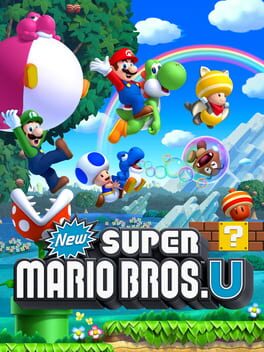
Join Mario in a classic 2.5D side-scrolling platform adventure to rescue Princess Peach.
Alternatives to Super Mario Bros. 3
View all →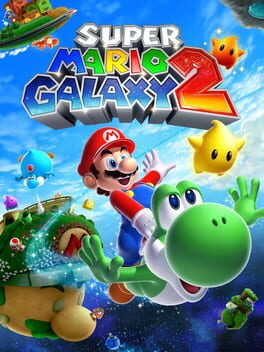
Classic Mario platforming reborn with fresh power-ups and multiplayer fun.
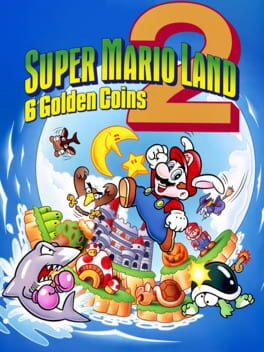
Mario returns to reclaim his kingdom in a classic 2D adventure.
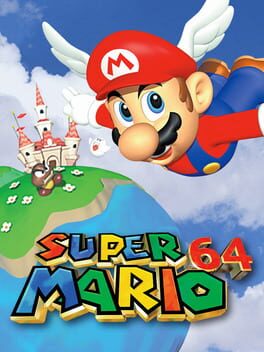
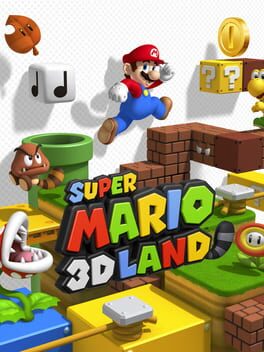
Dive into the first 3‑D Mario adventure and explore a kingdom of endless platforms and secrets.
The Verdict
AI-generated from listing dataNew Super Mario Bros. 2 offers modern handheld co‑op and coin‑collecting depth, while Super Mario Bros. 3 delivers classic design and higher critical acclaim at a lower price.
Key differences
- •Local simultaneous co‑op (2 players) in A vs. alternating two‑player mode in B.
- •Coin‑collecting score focus with leaderboards in A; B emphasizes world selection and warp zones.
- •A runs on handheld hardware only; B is a retro title originally for NES, now on modern platforms with save‑states.
- •Critic score: 77/100 for A vs. 92/100 for B.
- •Price: $59.99 for A vs. $49.99 for B.
Gameplay & fun factor
A adds coin‑collecting challenges and simultaneous co‑op, creating fresh replay loops beyond B's classic platforming.
Platform availability
B is available on multiple modern platforms with save‑state support; A is limited to a single handheld.
Price & value
B costs $49.99 versus A's $59.99, offering a lower entry price for comparable core Mario experience.
Multiplayer / co‑op
A supports up to two players simultaneously in local co‑op; B only offers alternating two‑player mode.
Content & replayability
A's 999‑coin limit, leaderboards, and hidden paths drive high replay; B relies on warp zones but lacks score competition.
Difficulty & accessibility
B's classic design is well‑known and includes save‑states on modern releases; A lacks modern accessibility options.
Graphics & performance
A features bright, smooth handheld graphics; B's graphics are dated by today’s standards.
Choose New Super Mario Bros. 2 if…
Buyers who want modern handheld co‑op and coin‑collecting competition.
Choose Super Mario Bros. 3 if…
Buyers seeking classic Mario design, higher reviews, and lower cost across platforms.
Common questions
Which game is cheaper?
Super Mario Bros. 3 costs $49.99; New Super Mario Bros. 2 costs $59.99.
Can I play with a friend at the same time?
Yes, A supports simultaneous local co‑op; B only offers alternating two‑player mode.
Which title has better critical reception?
Super Mario Bros. 3 has a higher critic score (92/100) compared to New Super Mario Bros. 2 (77/100).