


Nintendo Land vs Rabbids Land
Side-by-side comparison of features, pricing, ratings, and alternatives.
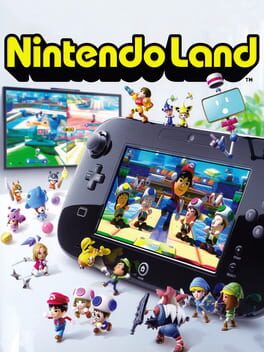
Nintendo Land is a vibrant virtual theme park that invites players to explore a bustling plaza using their personalized Mii characters. Designed specifically to showcase the unique capabilities of the Wii U GamePad controller, the game offers a wide variety of attractions inspired by legendary Nintendo franchises. Players can dive into team-based cooperative challenges, head-to-head competitive games, and solo experiences supporting up to five players. With innovative gameplay mechanics that combine traditional screen viewing with second-screen controller interactions, it provides an engaging party experience for players of all ages.
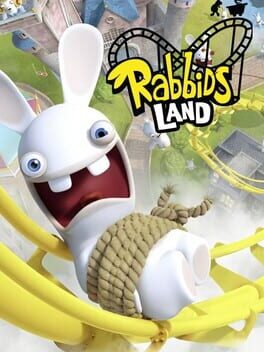
Rabbids Land is an exclusive Wii U title and the seventh installment in the Raving Rabbids franchise. It offers over twenty mini‑games set in a theme‑park environment, from a princess castle to a haunted house, all hijacked by mischievous Rabbids. Players use the Wii U GamePad to roll dice, control attractions, and cause mayhem across rides, making it a perfect party experience for friends and family.
- Engaging variety of minigames
- Great utilization of the Wii U GamePad
- Fun multiplayer and party experiences
- Charmingly themed around classic Nintendo worlds
- Huge variety of mini‑games
- Humorous Rabbid antics
- Easy to pick up and play
- Great for local multiplayer
- Lacks online multiplayer features
- Dependent on specific hardware peripherals
- Some attractions feel more fleshed out than others
- Limited to Wii U platform
- Graphics are dated compared to modern titles
- No online multiplayer
More alternatives & similar tools
Alternatives to Nintendo Land
View all →

Alternatives to Rabbids Land
View all →
Wacky, wild competitions for the whole family to enjoy together
A quirky minigame collection for the Wii that brings party fun to the living room
A fun and lively virtual theme park filled with attractions based on Nintendo game worlds.
The Verdict
AI-generated from listing dataNintendo Land offers a higher‑rated, more polished Nintendo‑themed experience with up to five local players, while Rabbids Land provides a larger quantity of chaotic mini‑games but lower critical reception and fewer players.
Key differences
- •Critic score: 75/100 vs 50/100.
- •Maximum local players: 5 (Nintendo) vs 4 (Rabbids).
- •Depth of Wii U GamePad integration: core to Nintendo Land vs limited to dice roll in Rabbids.
- •Number of attractions: unspecified but Rabbids advertises “more than twenty” vs Nintendo Land’s varied but unspecified attractions.
- •Overall polish and theme: Nintendo‑world branding vs chaotic Rabbids humor.
Gameplay & fun factor
Nintendo Land scores 75/100, praised for variety and Nintendo-themed charm; Rabbids scores 50/100.
Platform availability
Both are Wii U‑only titles; no other platforms listed.
Pricing & value
Both are paid one‑time purchases; exact price for Rabbids not specified, Nintendo Land $59.99.
Multiplayer / co‑op
Nintendo Land supports up to five players in mixed sessions; Rabbids limited to four.
Content & replayability
Rabbids advertises over twenty distinct attractions; Nintendo Land’s attraction count not quantified.
Difficulty & accessibility
Rabbids emphasizes simple controls for any age; Nintendo Land’s varied attractions may have steeper learning curves.
Graphics & performance
Rabbids noted as having dated graphics; Nintendo Land’s graphics not criticized.
Choose Nintendo Land if…
Families or Nintendo fans wanting polished, themed party games with up to five local players.
Choose Rabbids Land if…
Casual groups seeking a larger set of goofy mini‑games and simple controls, okay with four players and dated visuals.
Common questions
What is the price of each game?
Nintendo Land costs $59.99; Rabbids Land is a paid one‑time purchase but the exact price is not specified.
How many people can play together locally?
Nintendo Land supports up to five players; Rabbids Land supports up to four players.
Is there online multiplayer?
Neither game offers online multiplayer; both are limited to local split‑screen play.