


Ōkami vs The Legend of Zelda: Twilight Princess
Side-by-side comparison of features, pricing, ratings, and alternatives.
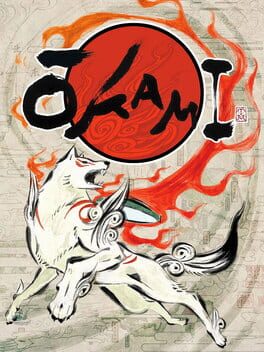
Ōkami follows the sun goddess Amaterasu, reborn as a white wolf, as she restores a world plagued by darkness using the magical Celestial Brush. The game blends action, puzzle solving, and role‑playing elements across a beautifully painted landscape inspired by Japanese folklore. With its unique art style, fluid combat, and engaging story, Ōkami offers a single‑player experience that feels both epic and intimate, inviting players to paint their way through puzzles, battles, and narrative moments.
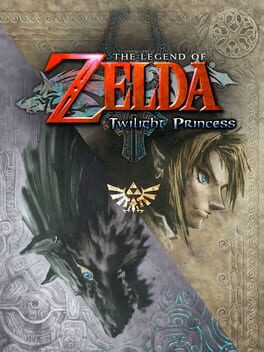
Link returns in a richly detailed world where twilight threatens to engulf Hyrule. Players explore sprawling environments, solve puzzles, and battle foes using both swordplay and the unique Wolf form. The game blends classic Zelda exploration with a mature atmosphere and cinematic storytelling. Its open‑world design encourages discovery, while dungeons provide challenging, puzzle‑driven gameplay.
- Innovative brush mechanics
- Stunning hand‑painted visuals
- Deep, engaging story
- Balanced mix of action and puzzles
- Deep, atmospheric storytelling
- Innovative Wolf transformation mechanic
- Large, interconnected world to explore
- Challenging puzzles and varied combat
- Occasional camera issues
- Some combat can feel repetitive
- Limited replay value after story completion
- Occasional frame‑rate drops on older hardware
- Linear segments limit open‑world freedom
- Voice acting may feel dated to some players
More alternatives & similar tools
Alternatives to Ōkami
View all →
Alternatives to The Legend of Zelda: Twilight Princess
View all →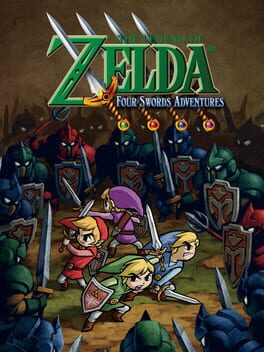
Link up with friends for a magical co‑op adventure in Hyrule.
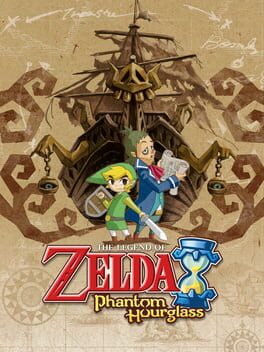
Navigate the seas, solve puzzles, and battle foes in a timeless adventure
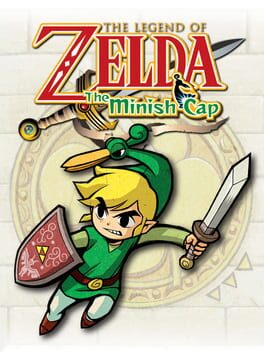
A tiny hero embarks on a big adventure to save Hyrule’s smallest citizens.
Classic 2D adventure that defines the action‑puzzle genre
The Verdict
AI-generated from listing dataBoth are $59.99 single‑player action‑adventure games from 2006, but Ōkami trades a smaller world for innovative brush mechanics, while Twilight Princess offers a larger, higher‑rated world with Wolf transformation.
Key differences
- •Gameplay core: Ōkami uses the Celestial Brush for combat and puzzles; Twilight Princess centers on Link’s Wolf form and traditional combat.
- •World size & exploration: Twilight Princess connects over 30 locations; Ōkami’s world is more linear and story‑driven.
- •Critical reception: Twilight Princess has a 96/100 critic score vs Ōkami’s 90/100.
- •Art style: Ōkami features a hand‑painted evolving visual style; Twilight Princess uses realistic 3D graphics.
- •Replay value: Twilight Princess’s side quests and collectibles give more post‑story content than Ōkami’s limited replayability.
Gameplay & fun factor
Ōkami’s unique brush mechanics create novel combat and puzzle experiences not found in Twilight Princess.
Platform availability
Both are single‑player titles released for the same generation consoles; platform specifics not provided.
Price & value
Both cost $59.99 one‑time; value depends on player preference for mechanics vs world size.
Multiplayer / co‑op
Both are single‑player only; no multiplayer options.
Content & replayability
Twilight Princess offers more side quests, collectibles, and a larger world, extending post‑story play.
Difficulty & accessibility
Ōkami’s puzzles are tied to brush drawing, which can be easier for players seeking less combat repetition.
Graphics & performance
Twilight Princess’s realistic 3D graphics and adaptive soundtrack are generally praised; Ōkami’s hand‑painted style is artistic but may have camera issues.
Choose Ōkami if…
Players who prioritize innovative mechanics and artistic visuals over world size.
Choose The Legend of Zelda: Twilight Princess if…
Players who want a larger, highly rated adventure with extensive exploration and side content.
Common questions
Which game has a higher critic rating?
Twilight Princess scores 96/100, while Ōkami scores 90/100.
Do either of these games support multiplayer?
No; both are single‑player only.
Is the price different between the two titles?
Both are priced at $59.99 as a one‑time purchase.