


Philips Sonicare ProtectiveClean 4100 vs Quip Electric Toothbrush
Side-by-side comparison of features, pricing, ratings, and alternatives.


The Philips Sonicare ProtectiveClean 4100 is an electric toothbrush engineered to deliver superior plaque removal while remaining gentle on your gums. Featuring advanced sonic technology, it drives fluid deep between your teeth and along the gumline for an exceptionally clean feel. Designed for everyday use, this toothbrush includes a built-in pressure sensor to protect teeth and gums from excess brushing pressure, along with a smart replacement reminder to ensure optimal brush head performance over time.
The Quip Electric Toothbrush is a streamlined oral care device engineered to make proper brushing habits simple and accessible. Featuring sensitive sonic vibrations and a built-in timer, it guides users through dentist-recommended cleaning routines without unnecessary complexity. Designed with a slim, travel-friendly profile, it mounts easily to bathroom mirrors and offers replaceable brush heads and batteries delivered directly through optional subscription refills. Its approachable design appeals to minimalists and travelers alike seeking an affordable upgrade to manual brushing.
- Removes up to 7x more plaque than manual toothbrushes
- Built-in pressure sensor prevents over-brushing
- Helpful brush head replacement reminder light
- Affordable entry point for sonic electric toothbrushes
- Sleek and minimalist design
- Built-in 2-minute pacing timer
- Lightweight and highly portable
- Affordable replacement head options
- Includes only a single brushing mode
- Does not feature Bluetooth or smartphone app connectivity
- Wall adapter is not included in the standard package
- Vibration strength is weaker than premium sonic brushes
- Lacks advanced smart app connectivity
- Relies on replaceable batteries rather than a built-in rechargeable cell
More alternatives & similar tools
Alternatives to Philips Sonicare ProtectiveClean 4100
View all →
A smart electric toothbrush with real-time brushing feedback and AI coaching.

A sleek, minimalist electric toothbrush designed to improve daily brushing habits.

Sonic electric toothbrush with brushing-motion sensing and a colour touchscreen.
Alternatives to Quip Electric Toothbrush
View all →Remove up to 7x more plaque than a manual toothbrush with sonic technology.
A smart electric toothbrush with real-time brushing feedback and AI coaching.
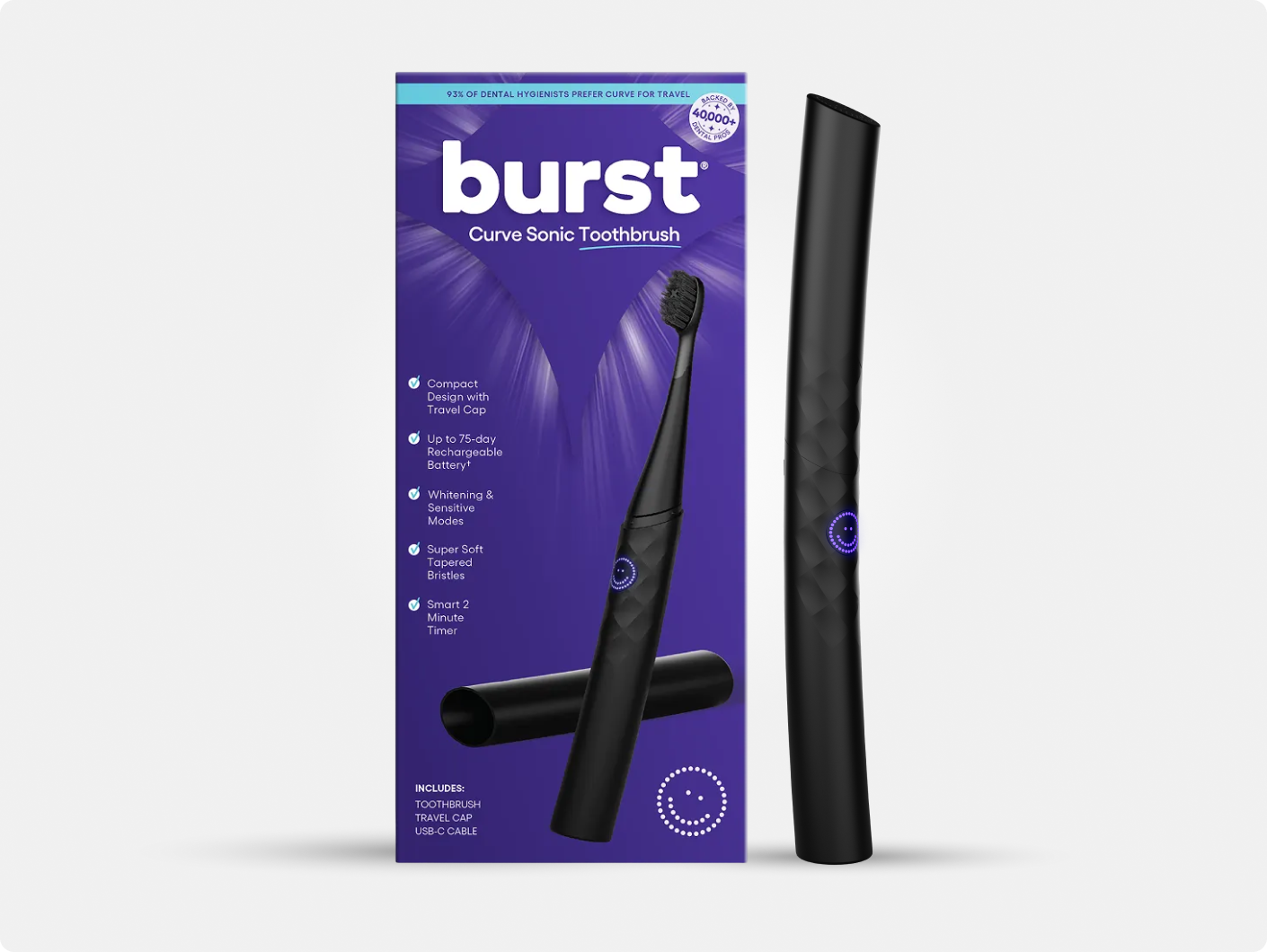
Compact TSA-ready sonic toothbrush developed with dental hygienists for travel and daily use.
The Verdict
AI-generated from listing dataThe Quip offers ultra‑light, travel‑friendly simplicity with a weaker vibration, while the Philips Sonicare 4100 delivers stronger plaque removal and pressure sensing at a slightly higher price.
Key differences
- •Power: Quip uses a single AAA battery with weaker sonic vibration; Sonicare uses a rechargeable cell with stronger sonic action.
- •Smart features: Quip has only a timer; Sonicare adds a pressure sensor, BrushSync usage tracking, and quadrant pacing.
- •Portability: Quip’s slim, charger‑free design fits travel bags; Sonicare is larger, requires a wall charger (not included).
- •Replacement tracking: Sonicare alerts when brush heads need changing; Quip relies on scheduled refill deliveries.
Pricing & value
Quip is a one‑time purchase with inexpensive AAA battery and cheap refill heads; Sonicare MSRP is $49.99 plus charger.
Warranty
Sonicare provides a 2‑year warranty; Quip warranty not specified.
Size & footprint
Quip’s slim handle and suction‑mount backing are smaller than Sonicare’s 6.5 × 11.1 × 22 cm dimensions.
Features
Sonicare includes pressure sensor, BrushSync, QuadPacer, Easy‑Start; Quip only has timer and basic vibration.
Ease of cleaning / maintenance
Both require head replacement; Quip offers scheduled recyclable refills, Sonicare tracks usage but needs manual head swap.
Energy efficiency & running cost
Quip runs on a single AAA battery, no charging; Sonicare needs periodic recharging and a wall adapter.
Noise level
Noise specifications not provided for either model.
Choose Philips Sonicare ProtectiveClean 4100 if…
Health‑focused adults wanting stronger plaque removal, pressure feedback, and head‑replacement reminders.
Choose Quip Electric Toothbrush if…
Travelers or minimalists who prioritize low cost and portability over maximum cleaning power.
Common questions
Does either brush require a charging dock?
Quip uses a replaceable AAA battery, no dock; Sonicare requires a wall charger (not included).
Which brush helps prevent over‑brushing?
The Philips Sonicare 4100 has a built‑in pressure sensor that alerts you when brushing too hard.
Are replacement heads expensive?
Quip offers recyclable refill heads at an affordable schedule; Sonicare’s head cost isn’t specified but is a standard accessory.