


Pokémon Blue Version vs Pokémon LeafGreen Version
Side-by-side comparison of features, pricing, ratings, and alternatives.
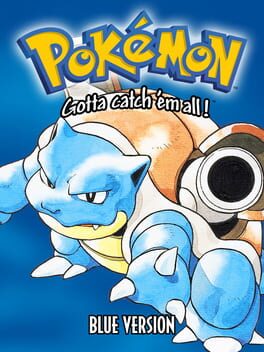
Pokémon Blue Version is a classic role-playing adventure set in the sprawling Kanto region, where players explore diverse environments from bustling towns to mysterious caves. As a young aspiring trainer, you capture and train various creature species, utilizing turn-based combat strategies to defeat gym leaders and the nefarious Team Rocket. Originally released by Game Freak, the game emphasizes exploration, strategic team building, and social interaction through trading and battling with friends via link cables. Its timeless fantasy world and engaging creature-collection mechanics laid the foundation for one of the most beloved media franchises in gaming history.
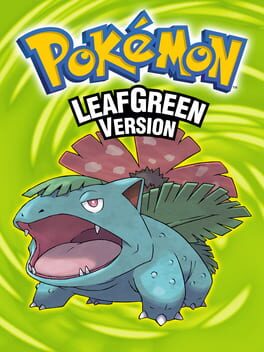
Pokémon LeafGreen Version is a beloved role-playing adventure that invites players to explore the vibrant Kanto region, capture iconic creatures, and battle their way to become the Pokémon League Champion. Originally released in 2004 by Game Freak and published by Nintendo, this enhanced version of the original Generation I games combines nostalgic charm with refined mechanics. Players can embark on a grand journey either solo or with friends utilizing multiplayer connectivity features. Traverse diverse environments, defeat gym leaders, and uncover the mysteries of the Sevii Islands while building a formidable team of creatures suited for turn-based strategic combat.
- Engaging and addictive creature collection mechanics
- Memorable soundtrack and iconic retro art style
- Deep strategic combat system with elemental types
- Groundbreaking multiplayer trading and battling features
- Engaging and nostalgic Kanto region exploration
- Rewarding turn-based strategic combat mechanics
- Comprehensive multiplayer trading and battling
- Accessible gameplay suitable for younger audiences
- Limited inventory management and bag space
- Some version-exclusive Pokémon require trading to obtain
- Dated graphical interface by modern standards
- Retains some archaic limitations from older generations
- Limited availability on modern hardware platforms
- Grinding levels can occasionally feel repetitive
More alternatives & similar tools
Alternatives to Pokémon Blue Version
View all →Return to the Kanto region in this enhanced remake of the classic role-playing adventure.

Embark on a grand adventure across the Johto region in this classic RPG.
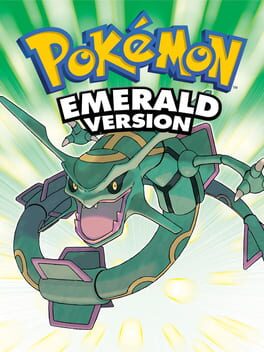
Embark on an enhanced adventure through the vibrant Hoenn region to catch legendary Pokémon.
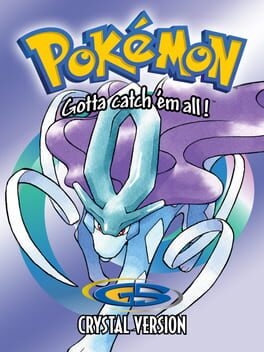
Embark on an enhanced adventure in the Johto region with the legendary Suicune.
Alternatives to Pokémon LeafGreen Version
View all →
Embark on an epic journey through the Unova region in this classic generation.
Relive the classic adventure with Pikachu by your side
Return to the Kanto region in this definitive reimagining of the classic RPG.

Return to the Johto region in this definitive reimagining of a classic adventure.
The Verdict
AI-generated from listing dataPokémon LeafGreen offers a newer, more complete Kanto experience with post‑game content at a higher price, while Pokémon Blue is the cheaper, original retro version with higher critical acclaim but fewer features.
Key differences
- •LeafGreen includes the Sevii Islands post‑game area; Blue does not.
- •Blue has a higher critic score (95 vs 70).
- •LeafGreen costs $10 more than Blue.
- •Blue was released in 1996 on older hardware; LeafGreen released in 2004 with later‑generation handheld support.
- •Blue’s age rating is PEGI 12 (ESRB E) versus LeafGreen’s PEGI 3 (ESRB E10+).
Gameplay & fun factor
LeafGreen adds post‑game Sevii Islands and more balanced team‑building, extending play beyond the core Kanto loop.
Platform availability
Blue is the original Game Boy title, but LeafGreen is limited to later handhelds; neither is on modern consoles.
Price & value
Blue costs $29.99 versus LeafGreen $39.99, offering lower upfront cost.
Multiplayer / co‑op
Both support single‑player and multiplayer trading/battling via local wireless or link cable.
Content & replayability
LeafGreen’s Sevii Islands and expanded post‑game quests give more content than Blue’s base game.
Difficulty & accessibility
LeafGreen’s PEGI 3 rating and turn‑based combat are more accessible to younger players than Blue’s PEGI 12.
Graphics & performance
LeafGreen, released later (2004), benefits from improved handheld graphics over Blue’s 1996 visuals.
Choose Pokémon Blue Version if…
You prefer the classic retro experience, highest critic rating, and lower price.
Choose Pokémon LeafGreen Version if…
You want the most content, newer graphics, and kid‑friendly difficulty, and don’t mind paying extra.
Common questions
Is the extra $10 for LeafGreen worth the additional content?
LeafGreen adds post‑game Sevii Islands and updated graphics, which many players consider valuable for the higher price.
Can I trade Pokémon between the two versions?
Both support local multiplayer trading, but they are separate titles; cross‑trading requires compatible hardware.
Which game is more suitable for younger children?
LeafGreen has a PEGI 3/ESRB E10+ rating, making it more appropriate for younger audiences than Blue’s PEGI 12.