


Pro Evolution Soccer 2008 vs Pro Evolution Soccer 2012
Side-by-side comparison of features, pricing, ratings, and alternatives.
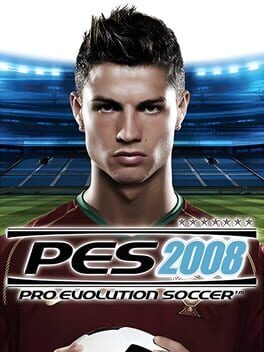
Pro Evolution Soccer 2008 delivers a deep football simulation experience, bringing authentic gameplay, licensed teams, and robust online modes to a wide range of platforms. Developed and published by Konami, it builds on the success of its predecessor with refined mechanics and expanded features. The game supports both single‑player and multiplayer modes, offering online competition and local play, making it a staple for football fans seeking realistic on‑field action on PlayStation 3, Xbox 360, and PC.
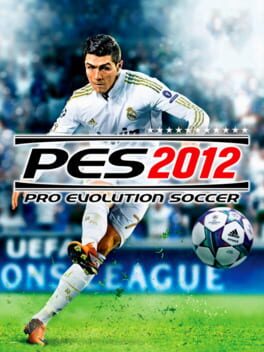
Pro Evolution Soccer 2012 delivers a deep football simulation experience across PlayStation 3, Xbox 360, and PC, featuring licensed teams, realistic player movements, and tactical depth. The game showcases Cristiano Ronaldo on the global cover, with regional variations highlighting Neymar and Shinji Kagawa. The title includes robust single‑player modes, online multiplayer, and a comprehensive career mode, offering both casual matches and long‑term team management for football enthusiasts.
- Highly realistic player movements and ball physics
- Extensive platform support
- Robust online matchmaking system
- Deep tactical customization
- Highly realistic player movements and ball physics
- Extensive licensing for clubs and leagues
- Robust online multiplayer with matchmaking
- Deep career and management features
- Limited licensed player names in some regions
- Occasional AI inconsistency in lower difficulties
- Graphics dated compared to newer titles
- Limited licensing for some teams leads to generic names
- Occasional AI glitches in defensive situations
- Graphics, while solid, lag behind newer sports titles
More alternatives & similar tools
Alternatives to Pro Evolution Soccer 2008
View all →
Realistic soccer action with licensed teams and deep league mode
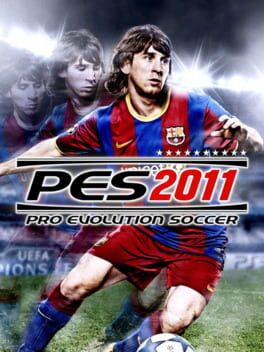
Realistic football action with fully licensed leagues on console and PC.
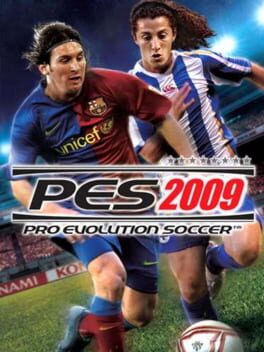
Experience football like never before with revamped gameplay and new legend mode.
Alternatives to Pro Evolution Soccer 2012
View all →
Ultimate football simulation for PlayStation 2 enthusiasts.
Realistic football action with fully licensed leagues on console and PC.
The Verdict
AI-generated from listing dataPro Evolution Soccer 2012 offers newer graphics, larger online matches, and updated licensing, while PES 2008 scores slightly higher with critics but feels dated.
Key differences
- •2012 supports up to 16-player online matches; 2008’s online capacity isn’t specified.
- •Graphics: 2012 delivers 1080p/60fps on supported consoles; 2008 is described as dated.
- •Critic scores differ: 2012 has 74/100, 2008 has 78/100.
- •Release dates: 2012 (2011‑09‑27) is newer than 2008 (2007‑10‑26).
- •Both cost the same ($59.99) and share similar core features (AI, career mode, tactics).
Gameplay & fun factor
2012 adds dynamic weather affecting physics and larger online matches, enhancing variety.
Platform availability
2008 explicitly mentions cross‑platform releases; 2012 platform list not provided.
Price & value
Both are priced identically at $59.99 with one‑time purchase.
Multiplayer / co‑op
2012 supports up to 16 players online; 2008’s multiplayer capacity is unspecified.
Content & replayability
2012 includes more recent leagues and clubs, though some teams remain unlicensed.
Difficulty & accessibility
Both list similar AI sophistication and age rating (ESRB E/PEGI 3).
Graphics & performance
2012 offers smooth 1080p/60fps on supported consoles; 2008 is described as dated.
Choose Pro Evolution Soccer 2008 if…
Buyers who prioritize higher critic scores and broader platform support.
Choose Pro Evolution Soccer 2012 if…
Buyers wanting the latest graphics, larger online matches, and newer team rosters.
Common questions
Is there a price difference between the two games?
No, both have an MSRP of $59.99.
Which version has better online multiplayer capacity?
PES 2012 supports up to 16 players online; PES 2008’s capacity is not specified.
Do both games offer the same amount of licensed teams?
Both have limited licensing for some teams; 2012 lists extensive club licensing but still some generic names.