


Pro Evolution Soccer 2011 vs Pro Evolution Soccer 2013
Side-by-side comparison of features, pricing, ratings, and alternatives.
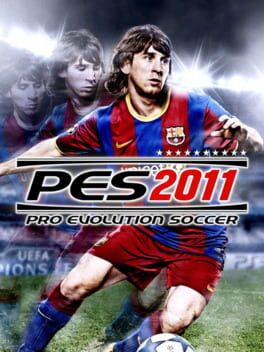

Pro Evolution Soccer 2011 brings authentic soccer gameplay to PlayStation 3, Xbox 360, and PC, featuring the UEFA Champions League, UEFA Europa League, and a fully licensed Copa Libertadores. Developed by Konami Computer Entertainment Tokyo, the game offers deep tactical control and realistic physics for both casual and competitive players. The title includes single‑player career modes, cooperative play, and robust online multiplayer, allowing fans to manage teams, compete in licensed tournaments, and experience dynamic weather effects that influence match outcomes.
Pro Evolution Soccer 2013 delivers a deep, authentic soccer experience with refined gameplay and licensed teams. Developed and published by Konami, it brings the excitement of the pitch to PlayStation 3, Xbox 360, and PC.
- Authentic licensed competitions
- Deep tactical and management options
- Robust online multiplayer
- Realistic physics and weather effects
- Highly realistic gameplay
- Broad platform availability
- Robust online multiplayer
- Extensive team customization
- Limited roster updates post‑release
- Steeper learning curve for newcomers
- Occasional AI inconsistencies
- Licensing limitations on some leagues
- Occasional AI inconsistencies
- Steeper learning curve for newcomers
More alternatives & similar tools
Alternatives to Pro Evolution Soccer 2011
View all →
Realistic football action with licensed Europa League and revamped penalties
Alternatives to Pro Evolution Soccer 2013
View all →
Experience realistic soccer with the new Player Impact Engine and tactical depth.
Realistic soccer action with licensed teams and deep league mode

The most realistic football action game with 360° dribbling and deep manager mode.
The Verdict
AI-generated from listing dataPro Evolution Soccer 2013 offers a newer engine and higher critic score but fewer licensed competitions, while PES 2011 provides full UEFA and Copa Libertadores licenses and co‑op play.
Key differences
- •Licensing: 2011 includes fully licensed UEFA Champions League, Europa League, and Copa Libertadores; 2013 has licensing limitations on some leagues.
- •Co‑op mode: Only 2011 lists cooperative multiplayer.
- •Critic score: 2013 received 79/100 versus 75/100 for 2011.
- •Developer naming: 2013 credited to Konami; 2011 to Konami Computer Entertainment Tokyo (same parent company).
- •Age rating: 2011 also carries PEGI 3, while 2013 lists only ESRB E.
Gameplay & fun factor
2013’s advanced AI and newer engine are reflected in a higher critic score (79 vs 75).
Platform availability
Both support PlayStation 3, Xbox 360, and PC.
Price & value
Both are priced at $59.99 (one‑time purchase).
Multiplayer / co‑op
2011 explicitly includes cooperative multiplayer; 2013 does not list co‑op.
Content & replayability
2011 offers fully licensed UEFA competitions and Copa Libertadores, adding authentic tournament variety.
Difficulty & accessibility
Both note a steep learning curve for newcomers.
Graphics & performance
2013’s later release suggests improved graphics and physics, supported by higher critic score.
Choose Pro Evolution Soccer 2011 if…
Buy PES 2011 if you prioritize fully licensed UEFA tournaments, Copa Libertadores, and want co‑op play.
Choose Pro Evolution Soccer 2013 if…
Buy PES 2013 if you want the newest gameplay experience and higher reviews, and can accept fewer licensed leagues.
Common questions
Do either of the games support cooperative play?
Only Pro Evolution Soccer 2011 lists cooperative multiplayer; 2013 does not mention co‑op.
Which game has more official league licenses?
Pro Evolution Soccer 2011 includes fully licensed UEFA Champions League, Europa League, and Copa Libertadores; 2013 has licensing limitations on some leagues.
Is there a price difference between the two titles?
No; both are priced at $59.99 as a one‑time purchase.