


Professor Layton and the Diabolical Box vs Wishbringer
Side-by-side comparison of features, pricing, ratings, and alternatives.
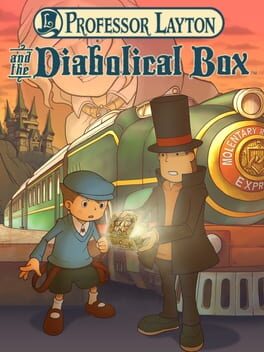

Players explore hand‑drawn environments, interact with quirky characters, and tackle a wide variety of brain‑teasing puzzles that range from logical deductions to visual challenges. The narrative-driven experience rewards curiosity and logical thinking, making each solved puzzle a step closer to unveiling the truth behind the diabolical box.
Wishbringer: The Magick Stone of Dreams is an interactive fiction computer game written by Brian Moriarty and published by Infocom in 1985. As a postal clerk in the fishing village of Festeron, you are tasked with delivering an envelope to Ye Olde Magick Shoppe, only to find the town transformed into the sinister Witchville after a kindly shopkeeper asks you to rescue her cat from The Evil One. Armed with the magical Wishbringer stone, you must navigate puzzles using seven unique wishes requiring specific objects to defeat The Evil One within a few hours. Designed as an accessible entry point to interactive fiction for inexperienced players, this text-based adventure delivers an engaging fantasy mystery filled with clever challenges.
- Engaging and witty storyline
- Wide variety of well‑designed puzzles
- Beautiful hand‑drawn visuals
- Accessible difficulty curve
- Accessible difficulty curve makes it great for beginners
- Engaging and atmospheric fantasy storyline
- Clever use of the magical wish mechanics
- Well-written text prose by Brian Moriarty
- Limited replayability after puzzle completion
- Some puzzles rely heavily on trial‑and‑error
- No multiplayer or co‑op mode
- Limited replay value once all puzzles are solved
- Text parser can occasionally be restrictive compared to modern games
- Short overall length relative to harder Infocom titles
More alternatives & similar tools
Alternatives to Professor Layton and the Diabolical Box
View all →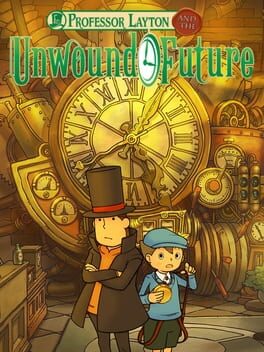
Solve puzzles and unravel a time‑bending mystery with Professor Layton.

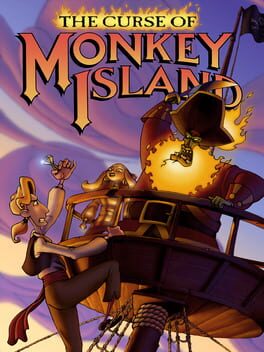
A witty pirate adventure that blends humor with classic point-and-click puzzles.
Alternatives to Wishbringer
View all →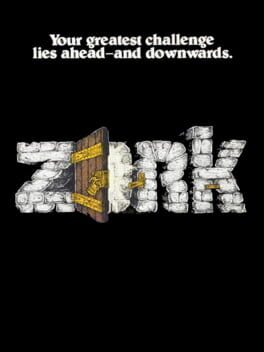
Explore the perilous ruins of the Great Underground Empire in this classic interactive fiction text adventure.
Solve puzzles and uncover a mysterious box in a charming adventure
The Verdict
AI-generated from listing dataWishbringer offers a classic text‑adventure experience for beginners, while Professor Layton delivers a visually rich, puzzle‑heavy adventure with modern UI.
Key differences
- •Interface: Wishbringer uses typed commands; Layton uses point‑and‑click/touch navigation.
- •Presentation: Wishbringer is pure text; Layton includes hand‑drawn graphics and dynamic music.
- •Puzzle volume: Layton provides over 150 puzzles; Wishbringer has a smaller set of beginner‑friendly puzzles.
- •Release era: Wishbringer (1985) is retro text‑adventure; Layton (2007) is a modern story‑driven puzzle game.
- •Replay value: Both limited after completion, but Layton adds side puzzles and collectibles.
Gameplay & fun factor
Layton combines narrative, varied puzzles, and point‑and‑click interaction, offering broader gameplay than Wishbringer's text parser.
Platform availability
Wishbringer runs on any PC that can emulate 1985 software; Layton is limited to platforms supported by Nintendo/LEVEL‑5.
Price & value
Layton lists a $9.99 MSRP; Wishbringer’s price isn’t specified, making Layton’s cost clearer.
Multiplayer / co‑op
Both are single‑player only.
Content & replayability
Layton adds side puzzles and collectibles, giving slightly more post‑completion content than Wishbringer.
Difficulty & accessibility
Wishbringer is explicitly designed as beginner‑friendly with gentle puzzles; Layton’s difficulty is moderate but includes trial‑and‑error puzzles.
Graphics & performance
Layton features hand‑drawn artwork and dynamic soundtrack; Wishbringer is text‑only.
Choose Professor Layton and the Diabolical Box if…
Best for players who want visual storytelling, many puzzles, and modern point‑and‑click controls.
Choose Wishbringer if…
Ideal for retro enthusiasts or newcomers to text adventures seeking a simple, story‑driven experience.
Common questions
Which game is cheaper?
Layton’s price is listed at $9.99; Wishbringer’s price is not specified in the provided facts.
Do either of these games support multiplayer?
Both are single‑player only.
Is Wishbringer suitable for someone who has never played a text adventure?
Yes; it is marketed as beginner‑friendly with an accessible difficulty curve.