Pushover vs Soko-Ban
Side-by-side comparison of features, pricing, ratings, and alternatives.
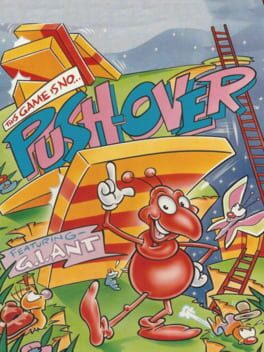
Pushover is a platform puzzle game developed by Red Rat Software and published by Ocean Software in 1992 for the Amiga, Atari ST, DOS and Super NES, with a PC release later handled by Piko Interactive. The original Amiga, Atari ST and DOS versions were sponsored by the British snack Quavers, with the plot revolving around mascot Colin Curly losing his Quavers packets down a giant ant hill; the SNES version swapped the branding for bundles of cash dropped by Captain Rat. The player controls G.I. Ant, a large soldier ant, across 100 levels spread over nine themed worlds such as an industrial complex, an Aztec world, a space station and a Japanese temple. Each level requires rearranging dominoes from 11 different types so that a single push topples them all and opens the exit, while avoiding deaths from falls, crushing and mis-placed dominoes.
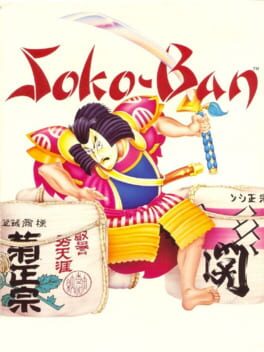
Soko-Ban ("warehouse keeper") is a classic puzzle game created in 1981 by Hiroyuki Imabayashi and published in 1982 by Thinking Rabbit in Takarazuka, Japan. Set in a warehouse, each level challenges the player to push crates square by square onto designated spots; a level is complete once every crate sits on a marked spot. The puzzle design is unforgiving: crates can only be pushed one at a time and cannot be pulled, so a crate pushed into a corner can become permanently stuck. In 1984 ASCII Corporation published a version produced by Khaled Bentebal, and the game became the basis for numerous clones in later years. By its final levels, players must plan around 40 steps in advance, making it a foundational title in the sokoban puzzle genre.
- Clever, well-designed puzzles with increasing complexity across 100 levels.
- Distinct domino types keep gameplay varied and rewarding to master.
- Retry token and password system reduce frustration during difficult levels.
- Charming themed worlds and humorous premise give it lasting appeal.
- Simple rules with deep, challenging puzzle design
- Historically influential and the basis of many clones
- Rewards careful planning and patience
- Supports both single player and multiplayer modes
- Many levels have only a single solution, which can feel rigid to some players.
- Dated graphics and controls reflect its early-1990s origins.
- Trial-and-error failures can be punishing without the retry token.
- Unforgiving design means mistakes can make levels unsolvable
- Dated graphics and presentation compared with modern games
- Difficulty spikes sharply in later levels
More alternatives & similar tools
Alternatives to Pushover
View all →
A classic 1989 Taito tile-matching puzzle arcade game where you clear blocks by moving them in sync.

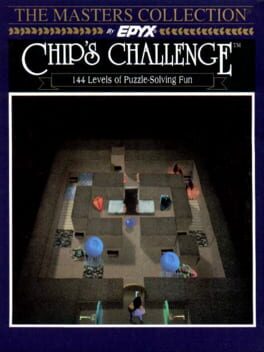
Solve 144 timed puzzles as Chip to earn membership in Melinda's exclusive Bit Busters club.