


Romance of the Three Kingdoms VIII vs Romance of the Three Kingdoms X
Side-by-side comparison of features, pricing, ratings, and alternatives.
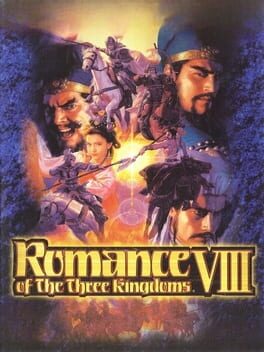
Romance of the Three Kingdoms VIII lets players immerse themselves in the turmoil of the late Han dynasty, guiding up to eight leaders through 54 scenarios and a unique story mode. With over 700 historical figures and 100 customizable officers, you can shape alliances, marriages, and brotherhoods to forge a unified empire.
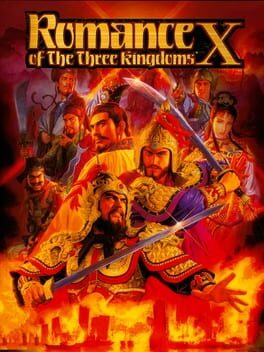
Romance of the Three Kingdoms X is the tenth entry in Koei’s historic strategy series, covering the tumultuous period after the fall of the Han Dynasty. Players command armies, build cities, gather supplies, and watch battles unfold from an overhead perspective. Choose between Historical mode, which follows real‑world events, or Fictional mode, where you can rewrite history with random outcomes. With 650 playable characters and online trading of generals, the game offers deep strategic depth for both solo and multiplayer experiences.
- Extensive roster of over 700 characters
- Flexible start dates across a 50‑year span
- Rich relationship mechanics (marriage, sworn brother)
- Supports massive multi‑force battles
- Extensive roster of 650 historical figures
- Two distinct gameplay modes for varied experiences
- Online trading adds a social dimension
- Deep strategic depth with city building and supply management
- Single‑player only, no multiplayer mode
- Interface can feel dated on modern systems
- Steep learning curve for new players
- Graphics are dated by modern standards
- Steep learning curve for newcomers
- Limited platform availability (PC, PS2)
More alternatives & similar tools
Alternatives to Romance of the Three Kingdoms VIII
View all →
Lead generals, conquer states, and unify ancient China in a deep turn‑based strategy experience
Conquer ancient China through turn‑based strategy and empire management.
Alternatives to Romance of the Three Kingdoms X
View all →Conquer ancient China through turn‑based strategy and empire management.
Lead ancient China to unity in a deep turn‑based strategy experience