


Shogun: Total War vs Taiheiki
Side-by-side comparison of features, pricing, ratings, and alternatives.
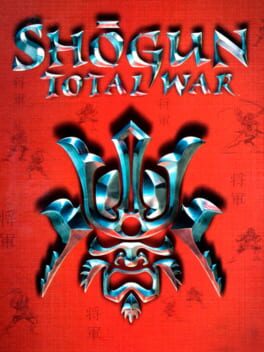
Shogun: Total War blends deep turn‑based strategy with massive real‑time battles, letting players manage clans, diplomacy, and economics across feudal Japan. Lead your samurai armies across detailed battlefields, employing terrain, morale, and unit types to dominate opponents. The game pioneered the Total War series, offering a historically rich campaign, robust AI, and a multiplayer mode that pits commanders against each other in strategic conquest.
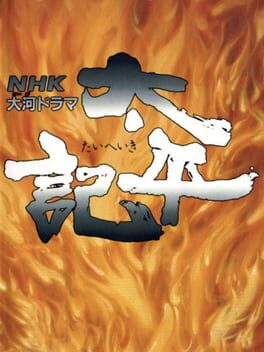
Taiheiki is a turn‑based strategy game that adapts the classic 14th‑century Japanese epic and its television drama adaptation. Players command units on a grid, maneuvering across varied terrain and issuing orders in real time. The game features two intertwining scenarios—one following Takauji Ashikaga’s rise and the other the loyalists defending Emperor Godaigo—culminating in side‑scrolling 1‑on‑1 sword duels that drive the narrative forward.
- Deep strategic depth combining turn‑based and real‑time gameplay
- Highly detailed and authentic Japanese setting
- Robust AI provides challenging single‑player experience
- Active modding community extends replayability
- Rich historical setting based on a famous epic
- Two intertwining campaigns add replay value
- Animated combat adds visual flair
- Strategic depth with terrain and formation mechanics
- Outdated graphics compared to modern RTS titles
- Steep learning curve for new players
- Limited multiplayer matchmaking options
- Limited to single‑player mode
- Graphics reflect early‑90s hardware constraints
- Interface can feel clunky by modern standards
More alternatives & similar tools
Alternatives to Shogun: Total War
View all →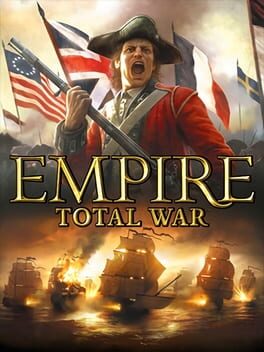
Conquer the world in a seamless blend of turn-based empire building and real-time battles
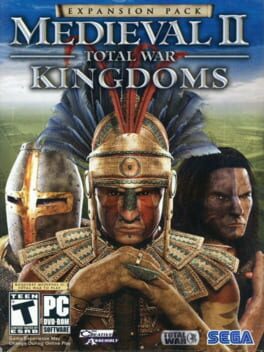
Epic medieval strategy expansion with deep campaign and battle mechanics
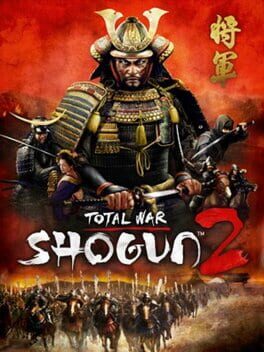
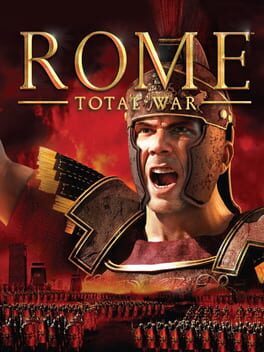
Alternatives to Taiheiki
View all →
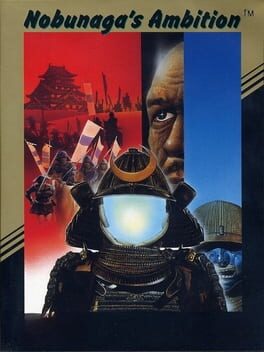
Lead a warlord to unite feudal Japan in a deep turn‑based strategy experience
The Verdict
AI-generated from listing dataShogun: Total War offers a deeper, hybrid turn‑based/real‑time strategy experience with multiplayer and mod support, while Taiheiki is a classic, single‑player, grid‑based tactical game with very old graphics.
Key differences
- •Multiplayer: Shogun supports up to 8 players; Taiheiki is single‑player only.
- •Gameplay style: Shogun mixes turn‑based campaign with real‑time battles; Taiheiki is pure turn‑based grid combat.
- •Graphics era: Shogun (2000) has newer visuals than Taiheiki's early‑90s graphics.
- •Content depth: Shogun includes modding tools, AI challenges, and historical events; Taiheiki offers limited content and no mods.
- •Learning curve: Shogun is noted as steep for newcomers; Taiheiki’s interface is described as clunky but less complex.
Gameplay & fun factor
Shogun combines turn‑based strategy with real‑time battles, offering more varied gameplay than Taiheiki's pure grid combat.
Platform availability
No platform information provided for either title.
Price & value
Shogun costs $39.99 and includes multiplayer, modding, and AI depth; Taiheiki price not specified.
Multiplayer / co-op
Shogun supports up to eight players; Taiheiki is single‑player only.
Content & replayability
Shogun offers a campaign, AI, mod community, and multiplayer; Taiheiki has limited single‑player scenarios.
Difficulty & accessibility
Shogun has a steep learning curve; Taiheiki is simpler though its UI feels clunky.
Graphics & performance
Shogun (2000) has newer graphics than Taiheiki's early‑90s visual style.
Choose Shogun: Total War if…
Buy Shogun if you want deep strategy, multiplayer, and mod support and can handle a learning curve.
Choose Taiheiki if…
Buy Taiheiki if you prefer a classic, single‑player tactical RPG with a historic storyline.
Common questions
How much does each game cost?
Shogun: Total War is $39.99; Taiheiki's price is not specified.
Can I play with friends?
Shogun supports up to eight players; Taiheiki is single‑player only.
Is Shogun harder to learn than Taiheiki?
Yes, Shogun is described as having a steep learning curve, while Taiheiki is simpler but has a clunky interface.