


SimCity 2000 vs SimCity Societies
Side-by-side comparison of features, pricing, ratings, and alternatives.
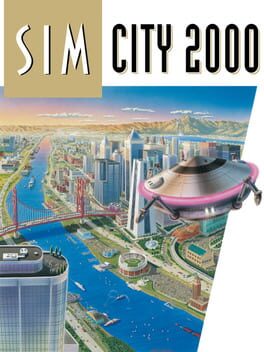
SimCity 2000 lets you design sprawling urban landscapes with detailed zoning, transportation, and utilities. The game offers deep strategic depth while remaining accessible for newcomers to city‑building. Featuring an isometric view and a robust set of tools, you can shape terrain, respond to disasters, and watch your city evolve over decades. Its timeless sandbox experience continues to inspire modern simulation titles.
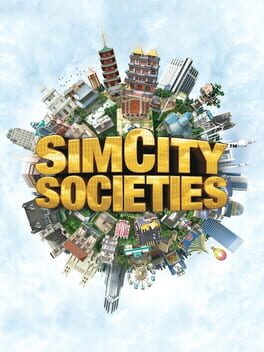
SimCity Societies is a city-building simulation game that breaks away from traditional micromanagement by focusing on the social values and culture of your citizens. Instead of zoning traditional residential, commercial, and industrial areas, players construct distinct types of buildings that generate social energies like authority, productivity, creativity, and spirituality. Developed by Tilted Mill Entertainment and published by Electronic Arts, the game allows for unprecedented customization of city aesthetics and architectural styles. Whether you want to build a strict totalitarian surveillance state, a bohemian artistic utopia, or an eco-friendly green paradise, your society's layout and building choices directly reflect the values you choose to prioritize.
- Deep zoning and infrastructure options
- Rich variety of disasters add strategic challenge
- Extensive mod and custom map support
- Timeless isometric visual style
- High level of visual and architectural customization
- Unique focus on societal values rather than just economics
- Accessible mechanics for casual city-building fans
- Diverse building styles that transform the look of the city
- Outdated graphics by modern standards
- Limited AI traffic behavior
- No native multiplayer mode
- Lacks the deep economic and traffic simulation of traditional SimCity titles
- Can feel repetitive due to simplified micromanagement systems
- Performance can drop when large cities become densely populated
More alternatives & similar tools
Alternatives to SimCity 2000
View all →
Build, manage, and protect your own metropolis on the dual screens of the Nintendo DS.
Alternatives to SimCity Societies
View all →
The Verdict
AI-generated from listing dataSimCity 2000 offers classic deep zoning and disaster management at a higher price, while SimCity Societies provides a cheaper, visually customizable experience focused on social values.
Key differences
- •Zoning depth: SimCity 2000 uses precise zone control; Societies replaces zoning with individual building placement.
- •Disaster vs social systems: 2000 includes random earthquakes, fires, floods; Societies centers on six social energies.
- •Graphics era: 2000 has outdated isometric graphics; Societies features modern, dynamic aesthetics.
- •Price: 2000 costs $49.99; Societies costs $19.99.
- •Economic simulation: 2000 offers detailed traffic and utility management; Societies has simplified economics.
Gameplay & fun factor
2000 provides deeper zoning, traffic, and disaster mechanics, appealing to hardcore city‑building fans.
Platform availability
Both are single‑player PC titles; no platform differences specified.
Price & value
Societies costs $19.99 versus $49.99 for 2000, offering lower entry cost.
Multiplayer / co‑op
Both are single‑player only; no multiplayer support in either.
Content & replayability
2000 supports custom map import/export and extensive mods, extending replay value.
Difficulty & accessibility
Societies has simpler micromanagement and more casual‑friendly mechanics.
Graphics & performance
Societies uses newer dynamic visuals; 2000’s graphics are outdated and may feel dated.
Choose SimCity 2000 if…
For players who want deep economic, traffic, and disaster simulation and don’t mind older graphics.
Choose SimCity Societies if…
For casual builders who prefer visual customization, social dynamics, and a lower price.
Common questions
Which game is cheaper?
SimCity Societies costs $19.99; SimCity 2000 costs $49.99.
Do either of the games support multiplayer?
No; both are single‑player only.
Which title offers more detailed city management?
SimCity 2000 provides deeper zoning, traffic, utilities, and disaster systems.