


Super Smash Bros. vs Super Smash Bros. Brawl
Side-by-side comparison of features, pricing, ratings, and alternatives.
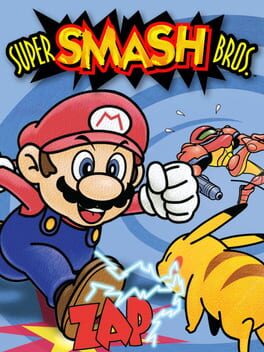
Super Smash Bros. is a crossover fighting video game featuring characters from several different Nintendo franchises, marking the first installment in the celebrated series. Unlike traditional fighting games that rely on depleting an opponent's life bar, players must knock opposing characters off the stage while managing a damage percentage meter. Developed by HAL Laboratory and published by Nintendo, the game combines frantic multiplayer action with familiar items and power-ups. It supports various gameplay modes, allowing both solo players and groups to enjoy fast-paced, platform-style combat across stages themed after classic Nintendo universes.
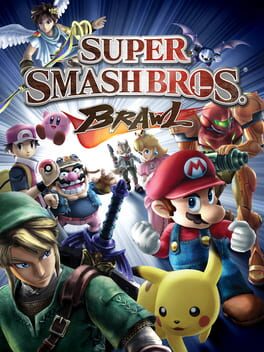
Super Smash Bros. Brawl is the third installment in the beloved crossover fighting game series, following up on Super Smash Bros. Melee. It retains all core mechanics of the franchise, including damage meters, stocks, and Smash-style attacks, while introducing devastating super attacks called Final Smashes. Players can also dive into a brand-new side-scrolling platform adventure mode titled The Subspace Emissary, where Nintendo's iconic heroes unite to stop the Subspace Army and the ultimate mastermind, Tabuu. With support for both single-player and multiplayer modes, it delivers an unforgettable crossover showdown.
- Unique knockout-based fighting mechanic replaces standard health bars
- Familiar and beloved roster of Nintendo franchise characters
- Engaging multiplayer and party-friendly gameplay modes
- Dynamic items and power-ups add unpredictable fun to matches
- Massive roster of iconic Nintendo characters
- Engaging and lengthy Subspace Emissary adventure mode
- Introduction of game-changing Final Smashes
- Incredible replay value for both solo and multiplayer sessions
- Limited single-player content compared to later entries
- Unlocking all secret characters requires completing specific prerequisites
- Can feel unbalanced for hardcore competitive play due to random items
- Movement speed feels noticeably slower compared to Melee
- Random tripping mechanic can disrupt competitive flow
- Online multiplayer performance can be inconsistent
More alternatives & similar tools
Alternatives to Super Smash Bros.
View all →
Ultimate crossover where Tekken meets Street Fighter in brutal combat.
The legendary third installment featuring iconic characters and Final Smashes.
Classic Mario platforming reborn with fresh power-ups and multiplayer fun.
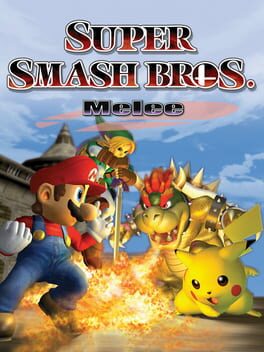
A fast-paced crossover platform fighting game featuring beloved Nintendo characters.
Alternatives to Super Smash Bros. Brawl
View all →A legendary crossover fighting game where iconic Nintendo characters battle to knock each other off the stage.
A fast-paced crossover platform fighting game featuring beloved Nintendo characters.
The Verdict
AI-generated from listing dataSuper Smash Bros. Brawl (2008) offers a richer single‑player adventure and Final Smash mechanics, while the original 1999 Smash delivers a leaner, more party‑focused experience.
Key differences
- •Brawl adds the Subspace Emissary story mode; the original lacks comparable single‑player content.
- •Brawl introduces Final Smashes, a game‑changing super attack system absent in the original.
- •Original Smash has a lower age rating (ESRB E) and is considered more accessible for casual players.
- •Brawl’s movement is slower and includes a random tripping mechanic, affecting competitive flow.
- •Online multiplayer consistency is noted as an issue for Brawl, while the original’s multiplayer is purely local.
Gameplay & fun factor
Brawl adds Final Smashes and a story mode, expanding core gameplay beyond the original’s knockout focus.
Platform availability
Both are Wii titles; no platform differences are specified.
Price & value
Both priced at $49.99, offering equal monetary cost.
Multiplayer / co‑op
Original Smash emphasizes local party play with dynamic items, noted as its strength.
Content & replayability
Brawl’s Subspace Emissary adventure and larger roster give more solo and replay value.
Difficulty & accessibility
Original’s lower ESRB rating (E) and simpler mechanics make it more beginner‑friendly.
Graphics & performance
Brawl, released later (2008), benefits from newer hardware and higher critic score (91 vs 85).
Choose Super Smash Bros. if…
Casual or party gamers seeking quick, accessible matches with dynamic items.
Choose Super Smash Bros. Brawl if…
Players who want deeper single‑player content, Final Smashes, and a larger roster.
Common questions
Do both games support online play?
Brawl mentions inconsistent online multiplayer performance; the original only lists local multiplayer.
Which game has a higher critical reception?
Brawl has a critic score of 91/100, compared to the original's 85/100.
Is there a significant difference in age rating?
Yes, Brawl is rated T/12, while the original is rated E/7, indicating the original is more suitable for younger players.