


The Hobbit vs The Lord of the Rings: The Two Towers
Side-by-side comparison of features, pricing, ratings, and alternatives.
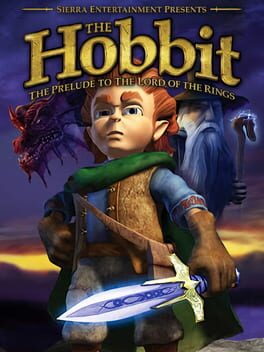
Step into the shoes of Bilbo Baggins in this action‑packed platformer, where you start armed with only a stick and a sack of stones. Fight goblins, trolls, and giant spiders as you journey across Middle‑earth toward Smaug’s lair.\nThe game captures Tolkien’s classic tale with level‑based challenges, hidden collectibles, and boss battles that evolve Bilbo from timid Shireling to heroic thief. Play solo on PC or PlayStation 2 and experience a nostalgic early‑2000s adventure.
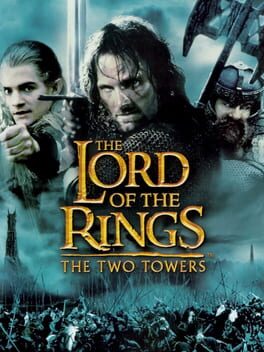
Step into the world of Middle‑earth and relive the epic moments from The Fellowship of the Ring and The Two Towers. As one of the legendary trio, you fight through familiar battles, using each character’s unique abilities to overcome hordes of enemies. The game blends hack‑and‑slash combat with adventure storytelling, delivering a cinematic experience on PlayStation 2. Single‑player mode lets you focus on the narrative while mastering swordplay and ranged attacks.
- Faithful adaptation of Tolkien’s story
- Varied enemy types keep combat fresh
- Rich 3D environments with hidden secrets
- Solid platforming mechanics for the era
- Authentic recreation of film moments
- Three playable characters with unique skills
- Cinematic graphics for the era
- Engaging combat combos
- Graphics show their age compared to modern titles
- Linear level design limits exploration
- Occasional camera issues on PS2
- Limited to single‑player mode
- Linear level design restricts exploration
- Aging graphics compared to modern standards
More alternatives & similar tools
Alternatives to The Hobbit
View all →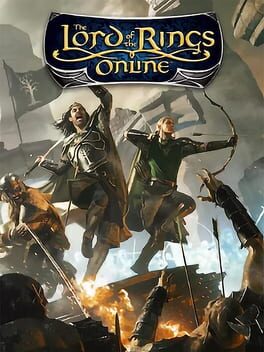
Explore Middle‑earth in a living MMORPG alongside the Fellowship.
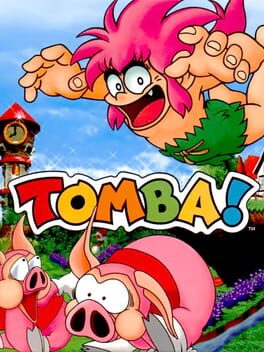
A whimsical 2D adventure where you grab, throw, and solve 130 missions on a magical island.
Battle as Aragorn, Legolas, and Gimli through iconic scenes of the first two LOTR films.
Alternatives to The Lord of the Rings: The Two Towers
View all →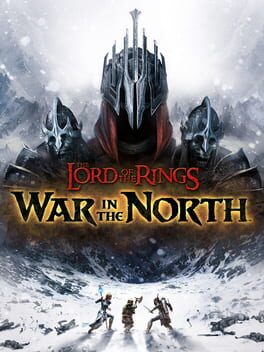
Epic co‑op hack‑and‑slash adventure across Middle‑Earth’s northern realms
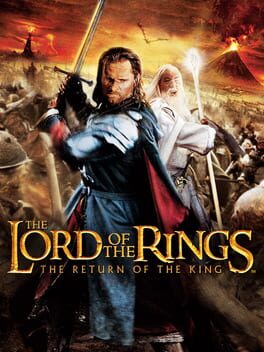
Epic hack‑and‑slash adventure across three heroic storylines.
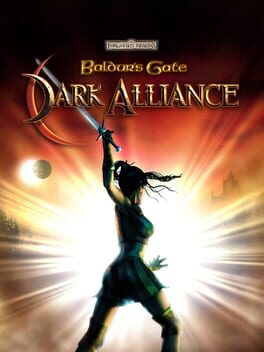
Embark on Tolkien's epic quest with melee, archery, sorcery, and stealth.
The Verdict
AI-generated from listing dataBoth are single‑player, story‑driven action games from the early 2000s, but The Two Towers offers three characters and more combat variety, while The Hobbit focuses on platforming with a single hero.
Key differences
- •Playable characters: A lets you switch among Aragorn, Legolas, Gimli; B only Bilbo.
- •Core gameplay: A is hack‑and‑slash combat; B is 3D platforming with puzzle elements.
- •Audience rating: A is ESRB T/PEGI 12, B is ESRB E/PEGI 7, indicating different age suitability.
- •Critic scores: A 65/100 vs B 59/100, suggesting slightly better reception for A.
- •Graphics era: Both age, but A’s cinematic graphics were noted as a strength for its time.
Gameplay & fun factor
A offers three distinct combat styles and combo system; B is limited to Bilbo’s platforming moves.
Platform availability
Both are listed for the same generation consoles; specific platforms not provided.
Price & value
B lists an MSRP of $29.99; A’s price is not specified, so B has known cost.
Multiplayer / co‑op
Both are single‑player only.
Content & replayability
A includes three characters, varied enemy types, and unlockable moves; B has one character and linear levels.
Difficulty & accessibility
B’s ESRB E rating suggests easier difficulty for younger players; A’s T rating implies higher challenge.
Graphics & performance
A was praised for cinematic graphics for its era, while B’s graphics are noted as aged with camera issues.
Choose The Hobbit if…
Players seeking a family‑friendly, platform‑focused adventure with a single hero.
Choose The Lord of the Rings: The Two Towers if…
Fans who want varied combat, multiple heroes, and a slightly higher‑rated LOTR experience.
Common questions
Which game is cheaper?
B lists a price of $29.99; A’s price is not provided, so B’s cost is known.
Can I play with friends?
No. Both titles are single‑player only.
Is either game suitable for younger children?
B has an ESRB E rating (everyone), while A is rated T (teen), making B more appropriate for younger kids.