


Universe vs B.A.T.
Side-by-side comparison of features, pricing, ratings, and alternatives.
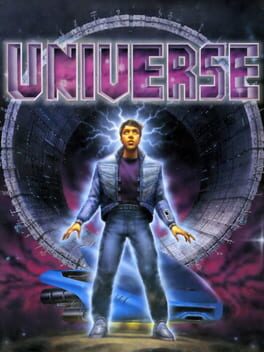
Universe is a classic 1994 point-and-click adventure game developed and published by Core Design. Players step into the shoes of Boris, who is unexpectedly transported to a sprawling, high-tech science fiction galaxy where he must solve intricate puzzles to find a way back home. Navigating through atmospheric environments, interacting with bizarre alien characters, and uncovering a deep narrative mystery define the core gameplay experience. Fans of retro graphic adventures will find a nostalgic challenge reminiscent of the golden era of PC gaming.
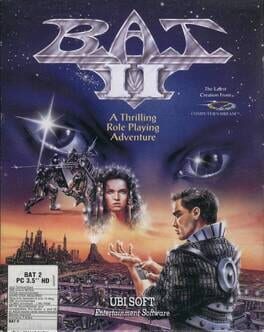
The game blends point‑and‑click mechanics with RPG dialogue choices, delivering a rich sci‑fi atmosphere with detailed graphics and sound effects. Every street corner can hold vital information, making exploration and conversation core to the experience.
- Engaging science fiction atmosphere
- Classic point-and-click gameplay
- Intricate puzzle design
- Nostalgic 90s aesthetic
- Rich sci‑fi narrative with high stakes
- Over 1,100 interactive locations to explore
- Engaging point‑and‑click puzzles and dialogue trees
- Atmospheric graphics and sound that enhance immersion
- Dated interface by modern standards
- Some pixel-hunting required
- Obscure puzzle logic in places
- User interface feels dated compared to modern titles
- Save system is limited, requiring careful planning
- Only single‑player experience, no multiplayer options
More alternatives & similar tools
Alternatives to Universe
View all →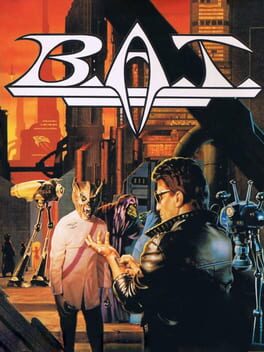
Save Terrapolis from a galaxy‑shattering bomb in a classic sci‑fi point‑and‑click adventure.
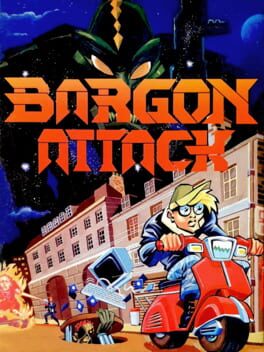
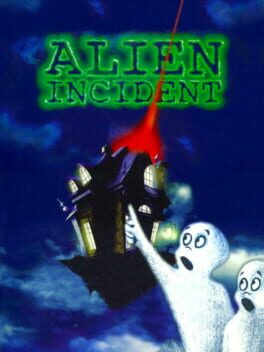
Help a young boy rescue his uncle from alien abductors in this quirky sci-fi point-and-click adventure.
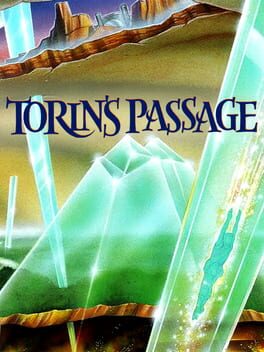
Embark on a whimsical point-and-click fantasy adventure across five nested worlds.
Alternatives to B.A.T.
View all →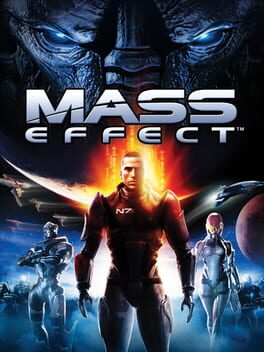
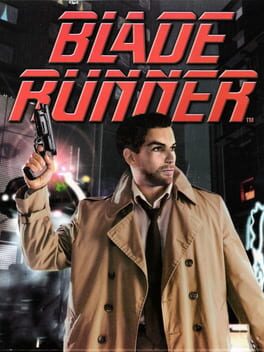
Uncover a cyber‑thriller conspiracy in a futuristic adventure.
The Verdict
AI-generated from listing dataBoth are classic sci‑fi point‑and‑click adventures sold as one‑time purchases, but B.A.T. offers a larger world and narrative urgency, while Universe focuses on nostalgic 90s pixel art and simpler scope.
Key differences
- •World size: B.A.T. boasts over 1,100 distinct locations; Universe’s scope is limited to planetary scenes.
- •Narrative pressure: B.A.T. features a ten‑day countdown driving urgency; Universe has no timed mechanic.
- •Art style: B.A.T. uses atmospheric graphics and sound; Universe uses hand‑drawn retro pixel art.
- •Developer pedigree: B.A.T. by Computer's Dream/Ubi Soft; Universe by Core Design (both original 1990s studios).
- •Puzzle focus: Universe emphasizes inventory‑based and logic riddles; B.A.T. mixes puzzles with dialogue choices.
Pricing & value
Both are paid one‑time titles; no price information provided to differentiate value.
Gameplay & fun factor
B.A.T. combines puzzles, dialogue trees, and a countdown across 1,100 locations, offering more varied interaction.
Platform availability
No platform data specified for either product.
Multiplayer / co‑op
Both are single‑player experiences.
Content & replayability
B.A.T.’s larger map and branching dialogue provide higher replay potential than Universe’s limited planetary scenes.
Difficulty & accessibility
Both suffer from dated interfaces and occasional obscure puzzles, offering similar accessibility challenges.
Graphics & performance
B.A.T. offers atmospheric sci‑fi graphics; Universe delivers nostalgic pixel art—each appeals to different aesthetic preferences.
Choose Universe if…
Players who prefer a nostalgic 90s pixel‑art adventure with classic inventory puzzles.
Choose B.A.T. if…
Players who want a deep, urgent sci‑fi story with many locations and dialogue choices.
Common questions
What is the cost of each game?
Both are sold as one‑time paid purchases; exact price is not specified in the provided data.
Which game has more content to explore?
B.A.T. features over 1,100 interactive locations, whereas Universe’s content is limited to planetary environments.
Do either of the games support multiplayer?
No. Both titles are single‑player only.