


Black Belt
A 1983 taekwon-do arcade game where you train and fight your way to the black belt.
Best for
Retro gamers and historians curious about early 1980s martial arts arcade games.
Skip if
You want modern graphics, deep content, or easy access on current platforms.
What is Black Belt?
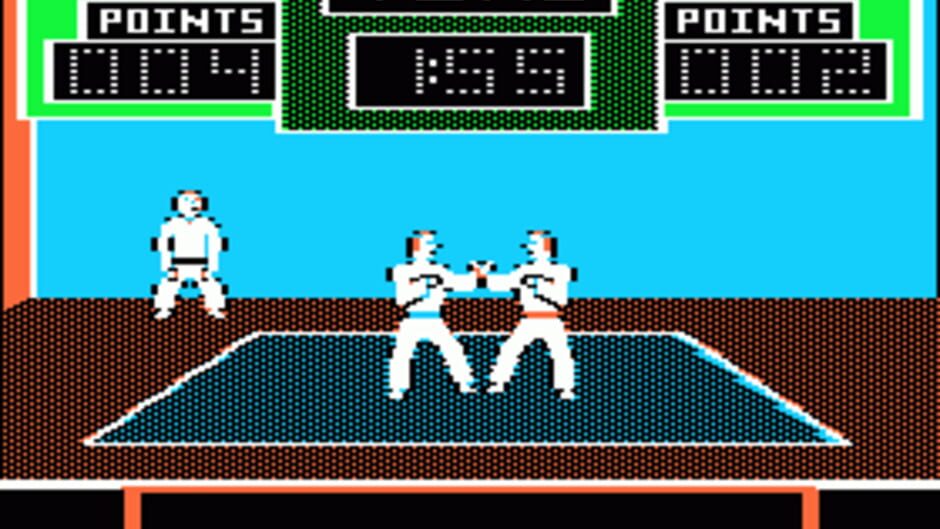
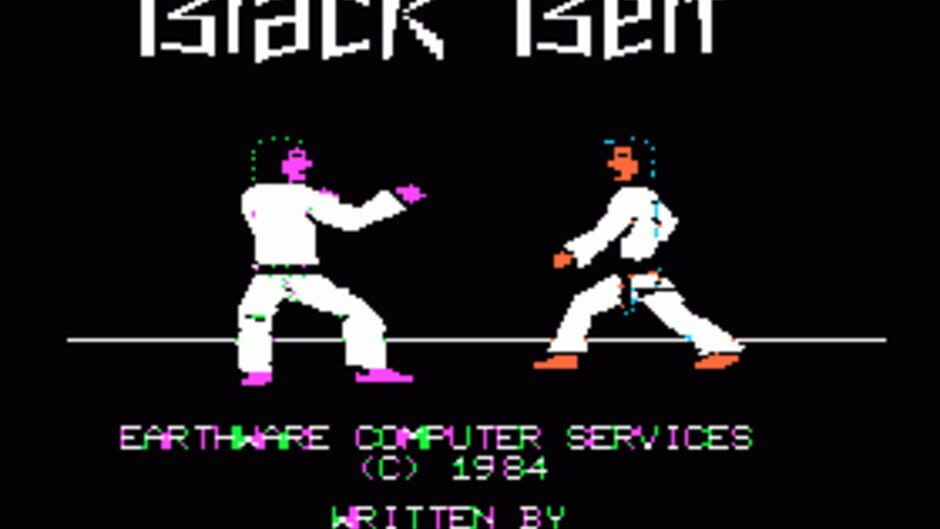
Black Belt is a taekwon-do arcade game created by Kevin Ryan, his second title after Zoo Master. Released in late 1983 for the Apple II and ported to the Commodore 64 in 1984, it puts the player in the role of a martial artist working through sparring and combat challenges on the way to earning a black belt. Kevin Ryan handled the coding, graphics, and sound effects himself. The game reflects the early home computer arcade style of its era, focusing on responsive one-on-one fighting action rather than deep narrative. Published by Earthware, it stands as an example of a single developer producing a complete sport-themed fighting game for the Apple II and C-64 platforms.
SpecificationsAI-estimated
Key Features of Black Belt
Use Cases for Black Belt
Retro gaming collections
Collectors of early Apple II and Commodore 64 software can add this 1983 martial arts title to their library.
Historical game study
Researchers and enthusiasts can examine it as an example of early single-developer home computer games.
Casual arcade play
Players looking for quick, simple sparring-style matches can enjoy its straightforward arcade format.
Two-player competition
Friends can challenge each other head-to-head in its multiplayer mode.
Pros & Cons of Black Belt
Pros
- Historically notable early martial arts game from 1983
- Supports both single-player and two-player modes
- Created entirely by a single developer, showing a complete end-to-end production
- Simple, focused arcade gameplay
Cons
- Limited availability on modern platforms
- Dated graphics and sound typical of early 1980s computers
- Limited depth and content compared to modern fighting games
Frequently Asked Questions
When was Black Belt released?
It was released in late 1983 for the Apple II and was ported to the Commodore 64 in 1984.
Who made Black Belt?
Kevin Ryan developed it, handling the coding, graphics, and sound effects himself.
Who published Black Belt?
It was published by Earthware.
Does Black Belt support multiplayer?
Yes, it supports both single-player and multiplayer modes.
Pricing Overview
View full pricing →Detailed plans are not listed. Visit the official website for pricing information.
Reviews & Ratings0.0
No reviews yet. Be the first to write one!
Top Alternatives & Similar Games
View all alternatives & similar games→No alternatives available yet.
People also viewed
Best For
Related searches
About the Product
Is this your tool?
Claim this page to update details, reply to user reviews, and drive more traffic to your product.
Claim this Product →
Explore Related Topics
Keep up with Black Belt alternatives
New alternatives, pricing changes and the week's biggest movers - one email every Tuesday.