


Peaka
A governed, zero-copy data layer that turns scattered enterprise data into AI-ready data products queryable in natural language.
What is Peaka?
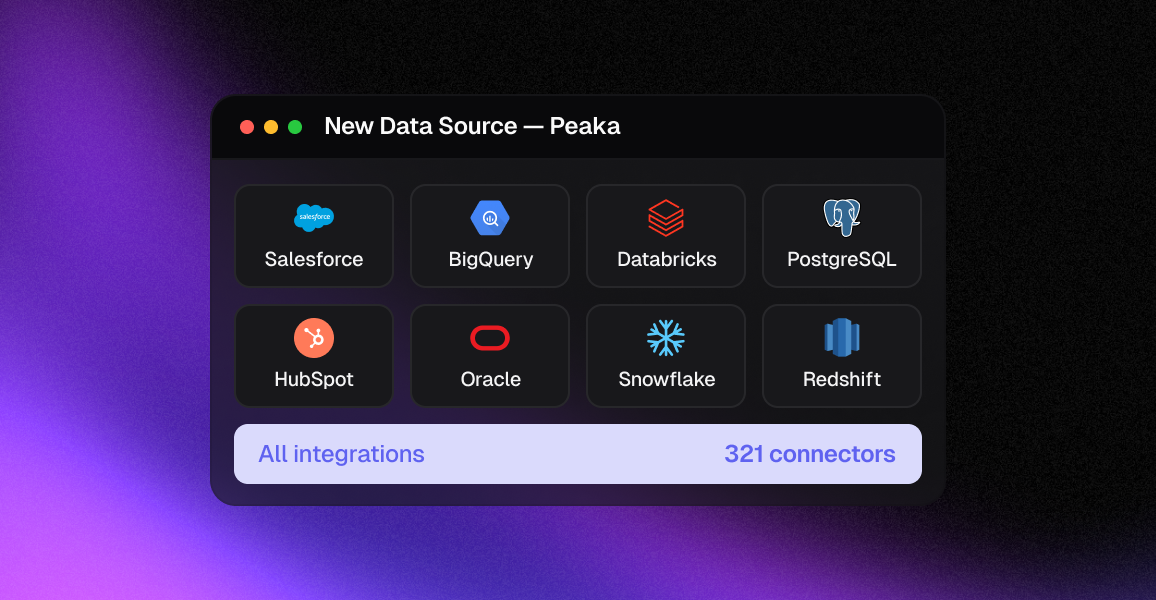
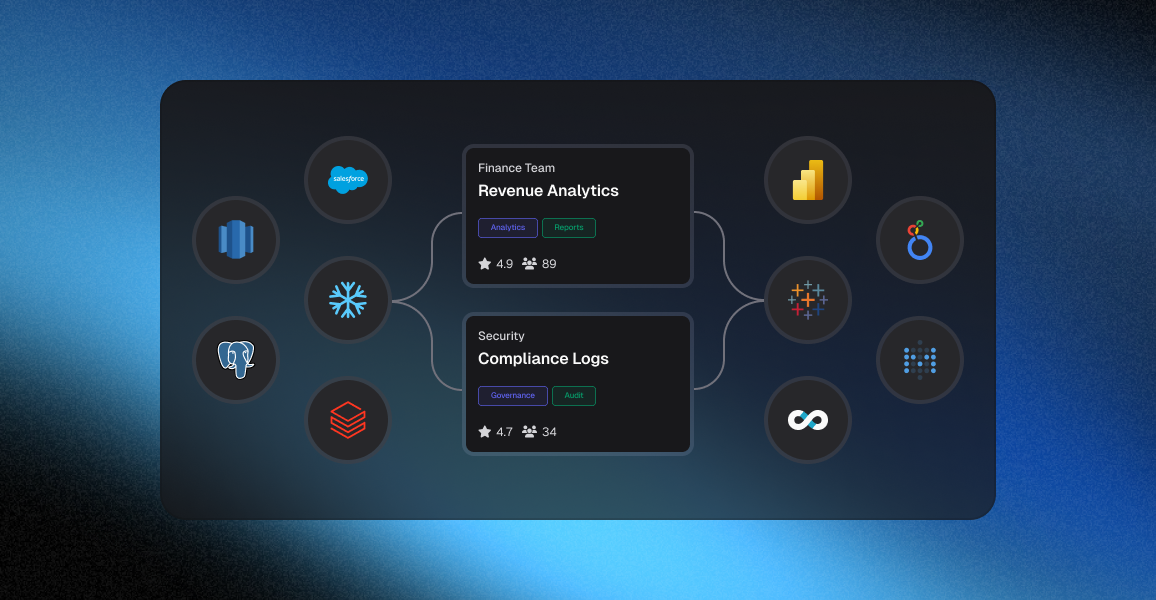
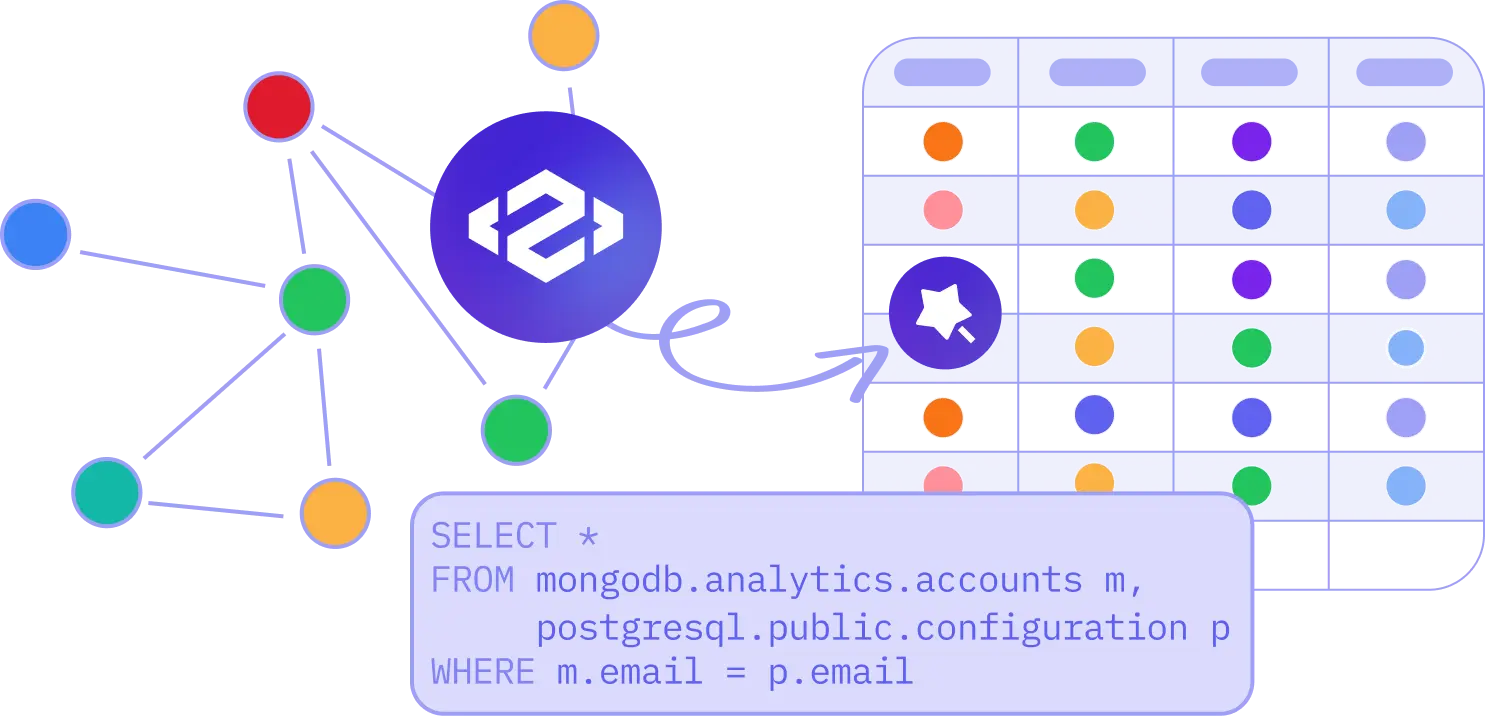
Peaka is an enterprise data platform that unifies scattered data sources, lets teams query them in natural language, and adds the semantic and governance layers needed to securely power AI applications. Its core promise is to turn raw, siloed data into governed, reusable data products that can be created from a single prompt, positioning itself as the fast path to AI-ready data. The platform is built around three capabilities. Zero-copy data integration offers 300+ pre-built connectors for SaaS tools, databases, and APIs, with federated querying that reaches data where it lives and materialization/caching on Apache Iceberg. A semantic layer provides a single source of truth through reusable data products, a shared data dictionary for standardized metrics, and end-to-end lineage. Security is handled through permission-based discovery, accountable ownership and usage governance, and secure AI access at the data-product level. Peaka is aimed at organizations that want analytics and AI capabilities without building a large data engineering team, a costly warehouse, or hand-maintained ETL pipelines. Its flexibility features, such as treating APIs as SQL tables and exposing query results back as APIs, make it attractive to teams that want to blend existing tools rather than rip and replace them.
SpecificationsAI-estimated
Key Features of Peaka
Use Cases for Peaka
Unified business reporting
Combine data from CRM, billing, support, and marketing tools into a single set of reports without building a warehouse.
Natural language analytics for business users
Let non-technical teams ask questions of their data in plain language and get answers without filing requests with engineers.
Preparing data for AI applications
Create governed, reusable data products that AI agents and applications can query securely.
Replacing brittle ETL pipelines
Use zero-copy federated queries instead of maintaining nightly batch ingestion and transformation jobs.
Exposing consolidated data via APIs
Filter and join multiple sources in SQL and publish the result as an API for other internal or external applications.
Standardizing metrics across teams
Use a shared semantic layer and data dictionary so departments agree on definitions like revenue or churn.
How to use Peaka?
Connect your data sources
Choose from 300+ pre-built connectors to link SaaS tools, databases, and APIs with a few clicks.
Define data products
Create reusable, governed data products in the semantic layer and document them in the shared data dictionary.
Set permissions and ownership
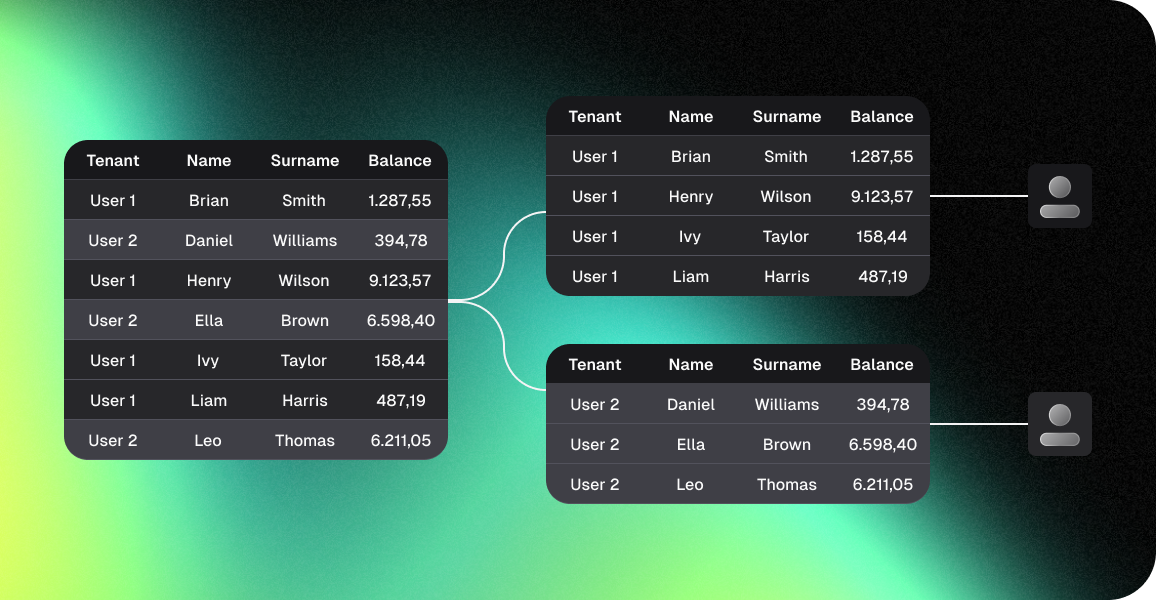
Assign owners and configure granular access controls so users only discover data they are authorized to see.
Query in natural language or SQL
Ask questions in plain English or write SQL, with AI assistance for generating queries.
Share insights and expose APIs
Distribute reports to business users or publish query results as APIs for downstream applications and AI projects.
Pros & Cons of Peaka
Pros
- 300+ pre-built connectors with zero-copy federated querying, reducing the need to move or duplicate data
- Semantic layer with shared metric definitions, data dictionary, and end-to-end lineage for consistent reporting
- Granular, permission-based access controls and SOC 2 Type 1 & 2 attestation
- Lets small teams build a data stack in minutes without a dedicated data engineering team or warehouse
Cons
- Enterprise-oriented positioning may be more than small teams with very simple reporting needs require
- Pricing is not publicly detailed on the homepage, making cost comparison difficult
- Reliance on federated querying means performance depends on the underlying source systems unless materialization is configured
Frequently Asked Questions
What does Peaka do?
Peaka unifies data from scattered sources, lets teams query it in natural language, and adds a semantic and governance layer so the data can securely power reporting, analytics, and AI applications.
What is zero-copy data integration?
It means Peaka can query data where it already lives using federated queries, rather than copying it into a separate warehouse, with optional materialization and caching on Apache Iceberg.
How many data connectors does Peaka support?
Peaka advertises more than 300 pre-built connectors covering SaaS tools, databases, and APIs.
Is Peaka secure enough for enterprise use?
Peaka states it follows information security best practices and holds SOC 2 Type 1 and Type 2 reports, with permission-based discovery and granular access controls.
Do I need a data engineering team to use Peaka?
Peaka is designed to reduce that need by eliminating much of the ETL pipeline building and maintenance, letting small teams set up a data stack in minutes.
Can Peaka generate SQL for me?
Yes, Peaka offers AI-assisted SQL generation, which it says can save up to 50 percent of time spent on SQL-related tasks.
Can I expose my data to other applications?
Yes, Peaka supports SQL-to-API conversion, allowing consolidated and filtered datasets to be served through APIs.
Pricing Overview
View full pricing →Peaka offers a free tier at $0, a pay-as-you-go plan starting from $1/month based on usage (PCU and storage), and a custom node-based Enterprise plan.
Reviews & Ratings0.0
No reviews yet. Be the first to write one!
Top Alternatives & Similar Software
View all alternatives & similar software→No alternatives available yet.
People also viewed




Related searches
Is this your tool?
Claim this page to update details, reply to user reviews, and drive more traffic to your product.
Claim this Product →
Tags
Explore Related Topics
Keep up with Peaka alternatives
New alternatives, pricing changes and the week's biggest movers - one email every Tuesday.