


Alternatives
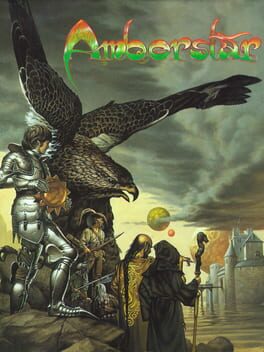
Choose Amberstar if…
- you want to tackle objectives in any order
- you enjoy complex dungeon puzzles
- you prefer a single‑continent open world over split regions
- you don’t need multiple character classes
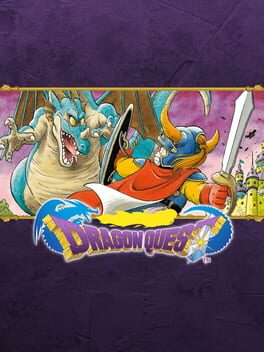
Choose Dragon Quest if…
- you want your character’s name to affect growth stats
- you need a game that runs on multiple modern platforms
- you prefer a single‑player classic adventure with fewer
Choose Wizardry 8 if…
- you need to manage a party of up to six distinct classes
- you want a story that changes based on permanent decisions
- you value fully voiced dialogue and cinematic cutscenes
- you plan to import characters from earlier Wizardry titles
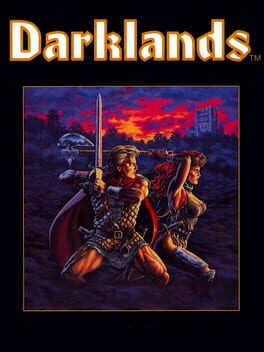
Choose Darklands if…
- you want a party system with distinct skills and faiths
- you need a deep alchemy/crafting loop
- you prefer a world modeled on real medieval Europe
- you enjoy NPCs that remember and react to your actions
Choose The Legend of Zelda if…
- you want open‑world exploration
- you prefer real‑time combat
- you enjoy intricate puzzle solving
- you like non‑linear progression
How to Decide
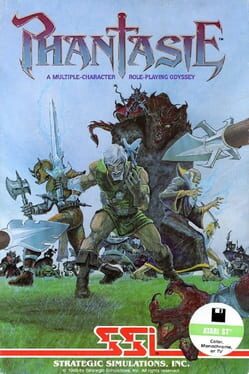
Phantasie is known for its deep classic RPG mechanics and strategic turn‑based combat, and it is used by fans of classic fantasy RPGs. The alternatives split into a few clear camps: Amberstar leans on a massive open world and non‑linear quest order; Wizardry 8 emphasizes a six‑character party with a deep skill tree; Dragon Quest is chosen for its availability across multiple modern platforms; The Legend of Zelda stands out with real‑time combat and puzzle‑driven exploration; Darklands is noted for its historically researched medieval setting and complex alchemy system.
When comparing these titles to Phantasie, the key factors that actually shift the decision are the one‑time price point (which ranges from $49.99 to $59.99 versus Phantasie’s $19.99), the depth of character or party customization (single‑hero class vs multi‑character parties or alchemy‑driven builds), the combat style (pure turn‑based versus real‑time action), the scope and realism of the game world (fantasy islands versus open‑world maps or historically accurate regions), and platform reach (single‑platform retro release versus multi‑platform modern releases).
All Alternatives
“Retro fantasy RPG adventure with similar party‑based exploration and combat mechanics.”
“Old-school fantasy RPG focused on a heroic quest, sharing the same genre and turn‑based party gameplay.”
“Classic turn‑based, party‑driven fantasy RPG that aligns closely with Phantasie's core experience.”
“Classic medieval fantasy RPG with party adventure, matching Phantasie's core genre and style.”
“Traditional fantasy RPG with a quest‑driven story, matching Phantasie's core purpose and gameplay.”
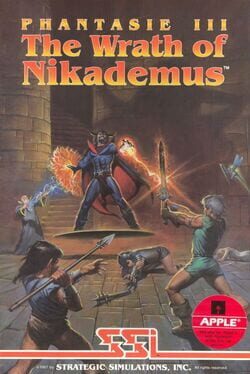
“Another classic 1980s fantasy party RPG with turn‑based combat, directly comparable to Phantasie 3.”
About the Product
Is this your tool?
Claim this page to update details, reply to user reviews, and drive more traffic to your product.
Claim this Product →