Discover, compare, and save the best system monitors alternatives.
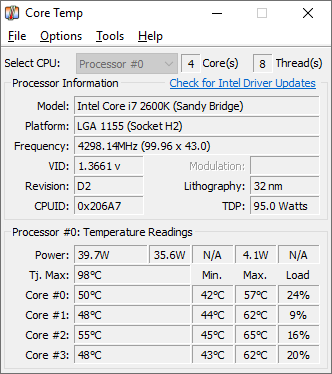
OpenHardwareMonitor, iStat Menus, Mission Center, Core Temp, Fan Control and Pop!_OS 22.04 are among the top-rated System Monitors picks.
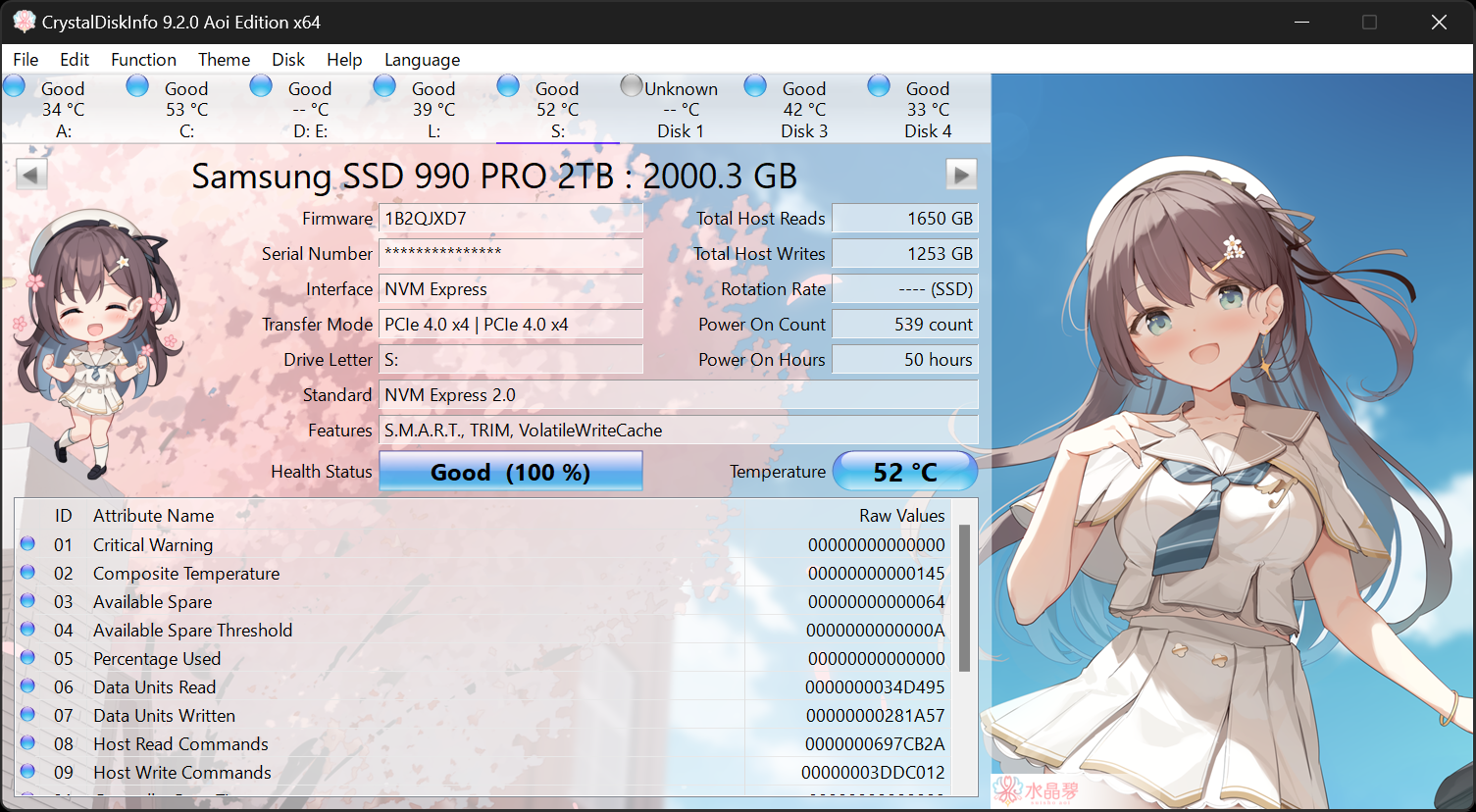
System Monitors are software tools designed to provide users with detailed information about their computer's hardware and system performance. These tools are particularly useful for gamers, developers, and power users who need to optimize their system's performance, identify bottlenecks, and troubleshoot issues. By using a System Monitor, users can gain insights into their CPU, GPU, memory, and disk usage, helping them make informed decisions about upgrades, maintenance, and resource allocation. When it comes to choosing a System Monitor, there are several options available, each with its own set of features, pricing models, and tradeoffs. For example, some System Monitors like HWiNFO and CPU-Z offer detailed hardware information, while others like SpeedFan and Fan Control focus on temperature monitoring and fan control. Additionally, some tools like Pop!_OS 22.04 and System Informer provide a more comprehensive overview of system performance, including network and disk usage. Understanding these differences is crucial to selecting the right tool for your specific needs. To choose the best System Monitor for your needs, it's essential to compare the features, pricing, and user reviews of different options. Findalternative.net's comparison tool helps you narrow down the field by providing a side-by-side comparison of top System Monitors, including Pop!_OS 22.04, Fan Control, Core Temp, SpeedFan, HWiNFO, CrystalDiskInfo, and CPU-Z. By using our comparison tool, you can quickly identify the key features, pros, and cons of each tool, making it easier to find the perfect System Monitor for your computer.
The primary function of a System Monitor is to provide detailed information about a computer's hardware and system performance, helping users identify bottlenecks, troubleshoot issues, and optimize system performance.
No, different System Monitors offer varying sets of features. Some focus on hardware information, while others provide more comprehensive system performance data, including network and disk usage.
No, System Monitors can be useful for anyone who wants to optimize their computer's performance, troubleshoot issues, or simply gain insights into their system's hardware and software configuration.
Yes, some System Monitors like SpeedFan and Fan Control specialize in temperature monitoring and fan control, helping users optimize their system's cooling performance and prevent overheating.
To choose the best System Monitor, compare the features, pricing, and user reviews of different options. Consider your specific needs, such as hardware information, system performance monitoring, or temperature control, and select a tool that meets those requirements.
No, not all System Monitors are free to use. Some offer free versions with limited features, while others require a one-time payment or subscription for full access to their features and updates.
Yes, you can use multiple System Monitors simultaneously, but it's essential to ensure that they don't conflict with each other or consume excessive system resources, which could impact performance and accuracy.
System Monitors splits into 4 related categories worth browsing on their own: Disk Utilities (8), Benchmarking (6), RGB & Lighting (3), and Driver Management (1) — worth a look if you already know roughly which kind you need.
Browsing by use case instead? These products also surface under Windows Utility (2) — topic pages that pull from the whole catalog, not just System Monitors.
Comparing across more than just software? Findalternative.net also covers Hardware, Gadgets, Appliances, Games, and Hosting alternatives.
73% run on Windows, and 18% on Linux — check platform support before committing if you need something specific.
Computed from real platform data across the category.
Across the System Monitors products in our directory, 91% are free or freemium. 45% of products with a documented drawback cite support or documentation gaps as a tradeoff worth knowing about going in.
Computed from real pricing and pros/cons data across the category — not a review aggregate.