Discover, compare, and save the best web browsers alternatives.
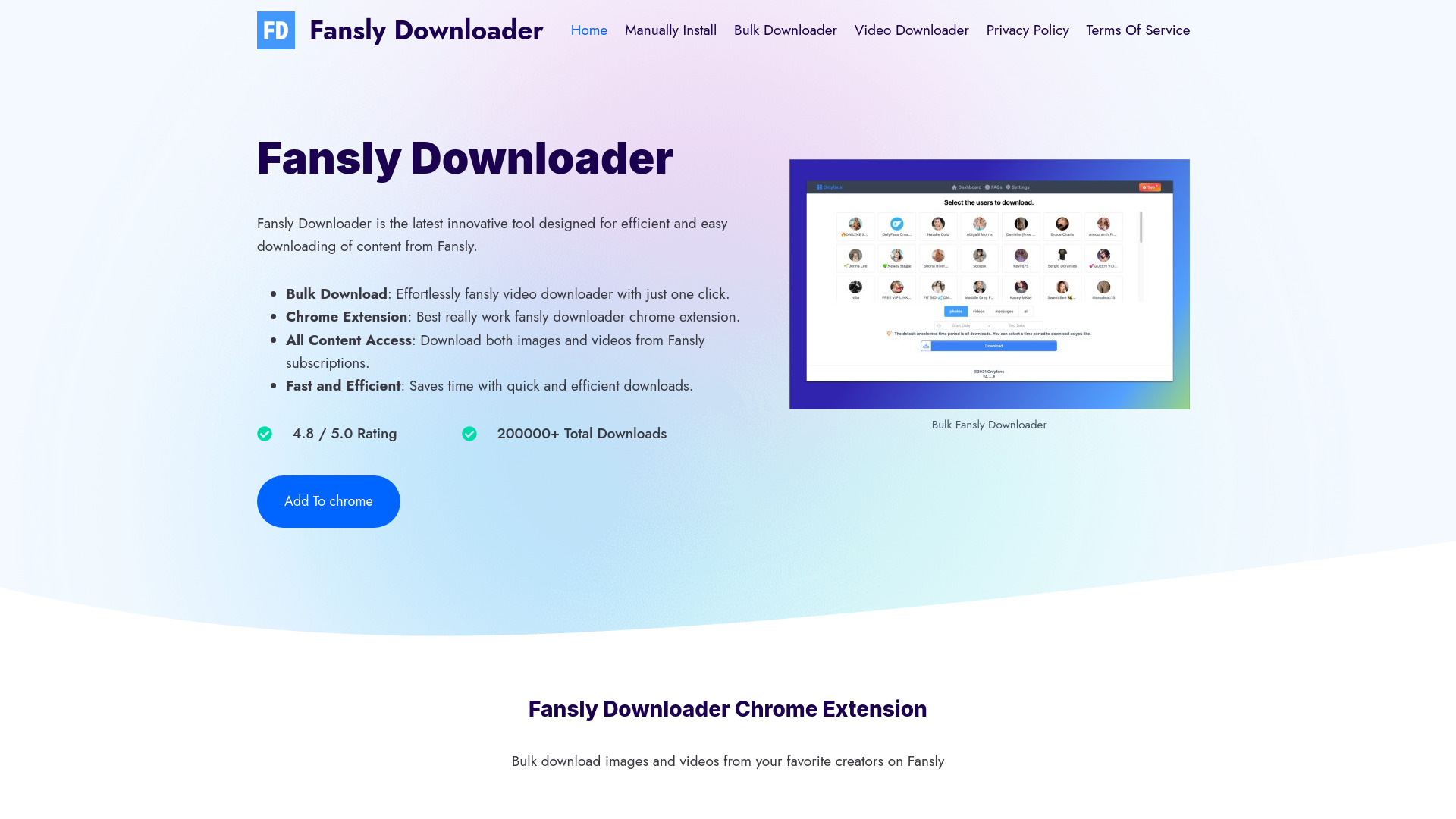
Fansly Downloader, BriskBard, DuckDuckGo, Dolphin Browser, Dillo and Qutebrowser are among the top-rated Web Browsers picks.
Web Browsers are software applications that enable users to access and view websites on the internet. They are essential tools for individuals, businesses, and organizations, providing a gateway to online information, services, and communication. With numerous options available, Web Browsers cater to diverse needs, from basic browsing to advanced development and privacy-focused requirements. The key differences between Web Browsers lie in their features, pricing models, and tradeoffs. For instance, some browsers like DuckDuckGo Privacy Browser and Epic Privacy Browser prioritize user privacy, while others like UC Browser and SeaMonkey offer a range of features and extensions. Additionally, browsers like DevToys and ngrok cater to developers, providing tools for testing and debugging. Understanding these differences is crucial to selecting the right browser for specific needs. Choosing the right Web Browser can be overwhelming, given the numerous options available. Findalternative.net's comparison tool helps narrow down the field by providing a comprehensive overview of various browsers, including their features, pricing, and user reviews. By leveraging this resource, users can make informed decisions and find the perfect Web Browser that meets their unique requirements, whether it's for personal use, development, or privacy-focused browsing.
A desktop browser is designed for use on computers, while a mobile browser is optimized for smartphones and tablets. Mobile browsers like UC Browser are tailored for smaller screens and touch-based interfaces, offering features like simplified navigation and data compression.
When selecting a Web Browser for development, consider tools like DevToys, ngrok, and Axe DevTools, which offer features like debugging, testing, and inspection. These browsers cater to developers' needs, providing a range of extensions and plugins to streamline the development process.
Privacy-focused browsers like DuckDuckGo Privacy Browser and Epic Privacy Browser offer enhanced security and anonymity features, such as tracking protection, encryption, and incognito modes. These browsers help protect users' personal data and online activities from unwanted surveillance and data collection.
Yes, browser extensions can significantly enhance your browsing experience. Extensions like those available for Vivaldi and SRWare Iron can add features like ad blocking, password management, and productivity tools, allowing users to customize their browser to suit their specific needs.
To ensure your Web Browser is secure and up-to-date, regularly check for updates, enable automatic updates, and be cautious when installing extensions or plugins. Additionally, consider using a browser like Chromium, which is known for its frequent updates and robust security features.
Open-source browsers like SeaMonkey offer transparency, community-driven development, and customization options. They also provide a high degree of flexibility, allowing users to modify the code and create custom builds tailored to their specific needs.
To switch from one Web Browser to another, start by exporting your bookmarks, passwords, and other data from your current browser. Then, import this data into your new browser, and familiarize yourself with its interface and features. Findalternative.net's comparison tool can help you find a suitable alternative and make the transition smoother.
Web Browsers splits into 5 subcategories worth browsing on their own: Desktop Browsers (22), Privacy Browsers (8), Developer Tools (7), Browser Extensions (6), and Mobile Browsers (1) — worth a look if you already know roughly which kind you need.
Browsing by use case instead? These products also surface under Security (20), Web Browser (15), Open Source (13), Productivity (7), Browser Extension (6), and Customizable (3) — topic pages that pull from the whole catalog, not just Web Browsers.
Comparing across more than just software? Findalternative.net also covers Hardware, Gadgets, Appliances, Games, and Hosting alternatives.
84% run on Windows, 75% on Mac, 68% on Linux, and 39% on Android — check platform support before committing if you need something specific.
Computed from real platform data across the category.
Across the Web Browsers products in our directory, 93% are free or freemium.
Computed from real pricing and pros/cons data across the category — not a review aggregate.