


Calling vs Fatal Frame II: Crimson Butterfly
Side-by-side comparison of features, pricing, ratings, and alternatives.
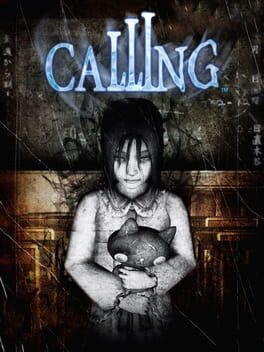
Rin Kagura, Shin Suzutani, Chiyo Kishibe and Makoto Shirae are drawn to the mysterious website "The Black Page," where a counter tracks the dead. Each character seeks answers to personal tragedies, and after entering a chatroom they are pulled into the Mnemonic Abyss—a void between life and death that manifests the memories of the dead. Using their cell phones, they must navigate this eerie landscape, solve memory‑based puzzles, and confront haunting visions to escape before they become another count on the page.
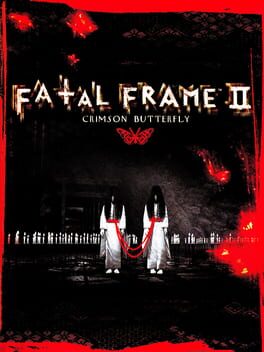
Twin sisters Mio and Mayu explore the cursed Minakami Village, using the Camera Obscura to confront vengeful spirits and unravel a tragic ritual. The atmospheric horror blends puzzle-solving with intense ghost battles, delivering a chilling narrative experience.
- Engaging, character‑driven narrative
- Unique cell‑phone interface adds immersion
- Tense, atmospheric horror ambience
- Well‑crafted puzzles that tie into the story
- Atmospheric horror setting
- Innovative camera-based combat
- Compelling twin-protagonist story
- Rich Japanese folklore integration
- Limited replayability after multiple endings
- Occasional clunky phone controls
- Relatively short campaign length
- Limited combat variety
- Occasional camera controls feel clunky
- Linear progression can feel restrictive
More alternatives & similar tools
Alternatives to Calling
View all →
Venture into a shadowy underground complex to uncover the truth in this psychological horror adventure.
Uncover a haunted village with a camera that captures souls.
Alternatives to Fatal Frame II: Crimson Butterfly
View all →
A haunting nightmare unfolds as Rei battles spirits in a cursed mansion.
The Verdict
AI-generated from listing dataBoth are single‑player Japanese horror adventures, but Fatal Frame II offers higher critical acclaim and richer content, while Calling provides a unique phone‑interface experience with a shorter, more focused story.
Key differences
- •Interface: Calling uses an in‑game cell‑phone UI; Fatal Frame II uses a Camera Obscura for combat.
- •Critical reception: Fatal Frame II scores 87/100 vs. Calling's 62/100.
- •Replayability: Fatal Frame II has multiple endings and extra Director's Cut content; Calling has limited replay after endings.
- •Release era & platform support: Fatal Frame II (2003) runs on PS2/PS3; Calling (2009) is unspecified platform, likely PC only.
- •Audience rating: Fatal Frame II is ESRB M (17+); Calling is ESRB T (13+).
Gameplay & fun factor
Fatal Frame II's camera combat and twin‑protagonist story are praised, reflected in its higher critic score.
Platform availability
Fatal Frame II explicitly supports PlayStation 2 and 3; Calling's platform is not specified.
Pricing & value
Both are one‑time purchases; only Fatal Frame II lists MSRP ($59.99), Calling's price is not provided.
Multiplayer / co‑op
Both are single‑player only.
Content & replayability
Fatal Frame II offers multiple endings, Director's Cut extra areas; Calling has limited replay after endings.
Difficulty & accessibility
Calling is ESRB T (13+), potentially more accessible than Fatal Frame II's M rating.
Graphics & performance
Fatal Frame II mentions enhanced graphics in Director's Cut; Calling’s visual description is limited to hand‑drawn style.
Choose Calling if…
Players who want a short, atmospheric horror with a novel phone UI and lower age rating.
Choose Fatal Frame II: Crimson Butterfly if…
Players seeking deeper gameplay, higher critical praise, multiple endings, and console support.
Common questions
Which game has better critical reception?
Fatal Frame II: Crimson Butterfly has a critic score of 87/100, compared to Calling's 62/100.
Do either of the games support multiplayer?
No; both are single‑player experiences.
Is there a price difference?
Fatal Frame II lists an MSRP of $59.99; Calling's price is not specified, only noted as a one‑time purchase.