


Dragon Ball Z: Buyuu Retsuden vs Dragon Ball Z: V.R.V.S.
Side-by-side comparison of features, pricing, ratings, and alternatives.
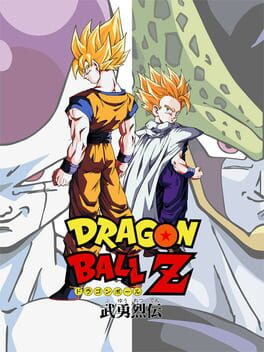
Dragon Ball Z: Buyuu Retsuden brings the iconic battles of the Frieza and Cell sagas to a one‑on‑one fighting experience on the Mega Drive. Developed by Tose and published by Bandai in 1994, it blends the mechanics of Super Butōden and Super Butōden 2 with a streamlined three‑button layout. The game offers both a story mode that follows the anime’s storyline and a Versus mode for head‑to‑head play, delivering fast‑paced special moves and iconic character abilities that fans of the series will recognize instantly.
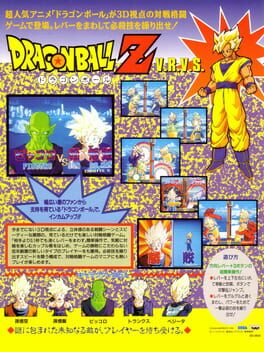
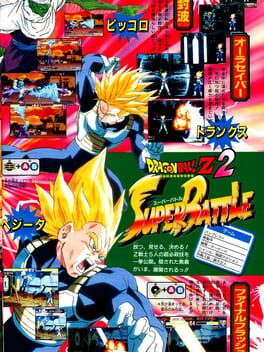
Dragon Ball Z: V.R.V.S. is a 1994 fighting game that brought the high‑energy battles of the anime to Sega's System 32 arcade hardware. Developed by Banpresto and Sega Enterprises, it features a roster of iconic characters and fast‑paced combat. Players can duel in single‑player mode or challenge friends in head‑to‑head multiplayer, experiencing the series' signature moves and combos in an arcade‑style setting.
- Authentic 1990s fighting experience
- Simple yet deep three‑button control scheme
- Faithful recreation of anime story arcs
- Local two‑player mode for couch co‑op
- Faithful to the Dragon Ball Z source material
- Responsive two‑player controls
- Rich sprite animation for its era
- Fast‑paced, easy‑to‑learn combat
- Limited to one‑on‑one fights, no team battles
- No modern online multiplayer support
- Graphics may feel dated to new players
- Limited to arcade hardware, no modern ports
- Small character roster compared to later titles
- No online multiplayer support
More alternatives & similar tools
Alternatives to Dragon Ball Z: Buyuu Retsuden
View all →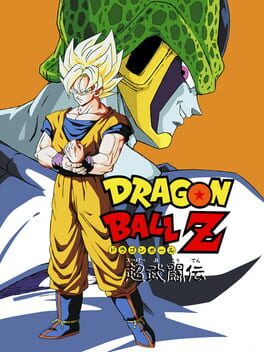
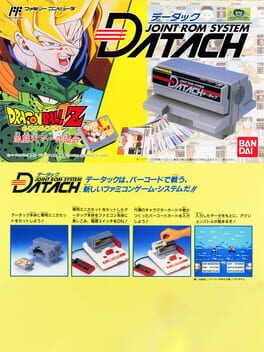
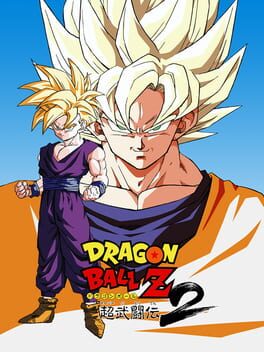
Fight with cards in the first DBZ fighting game using Datach's card reader
Alternatives to Dragon Ball Z: V.R.V.S.
View all →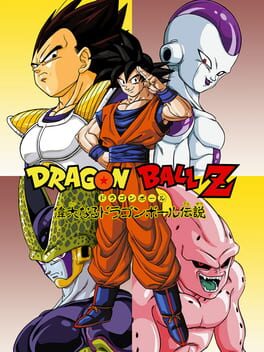
Classic Dragon Ball fighting action on the Mega Drive era hardware
The Verdict
AI-generated from listing dataDragon Ball Z: Buyuu Retsuden (B) is the safer default for most buyers because it runs on a home console and includes a story mode, while V.R.V.S. (A) offers an authentic arcade cabinet experience but requires dedicated hardware.
Key differences
- •Platform: A is an arcade cabinet (Sega System 32); B runs on a home console/Mega Drive‑era hardware.
- •Control scheme: A uses a six‑button joystick layout; B uses a three‑button controller.
- •Content: B includes a story mode covering Frieza and Cell sagas; A only has progressive AI fights and a practice arena.
- •Multiplayer scope: Both support local two‑player, but A adds a practice arena while B has no team or extra modes.
- •Hardware cost: A requires the physical arcade cabinet; B needs only a standard console.
Gameplay & fun factor
A offers fast‑paced arcade combat; B adds story mode depth – both provide enjoyable DBZ fighting.
Platform availability
B runs on a standard home console; A is limited to a dedicated arcade cabinet.
Price & value
Both are one‑time purchases, but A incurs extra hardware cost, making B better value.
Multiplayer / co‑op
Both support local two‑player only; no online or team modes in either.
Content & replayability
B includes a story mode covering major sagas; A has limited roster and no narrative mode.
Difficulty & accessibility
B's three‑button scheme is simpler for newcomers; A's six‑button arcade layout is more complex.
Graphics & performance
A runs on Sega System 32 with detailed sprite animation; B uses 16‑bit Mega Drive‑style graphics.
Choose Dragon Ball Z: Buyuu Retsuden if…
Home gamers seeking story mode and easy setup on a standard console.
Choose Dragon Ball Z: V.R.V.S. if…
Arcade collectors or DBZ fans who want the authentic 1994 cabinet experience.
Common questions
Is additional hardware needed for either game?
A requires the Sega System 32 arcade cabinet; B runs on a regular home console with no extra hardware.
Do either of the games support online multiplayer?
No. Both only support local two‑player play.
Which game offers more story content?
Buyuu Retsuden (B) includes a story mode covering the Frieza and Cell sagas; V.R.V.S. (A) does not.