


Dragon Ball Z: The Legend vs Dragon Ball Z: V.R.V.S.
Side-by-side comparison of features, pricing, ratings, and alternatives.
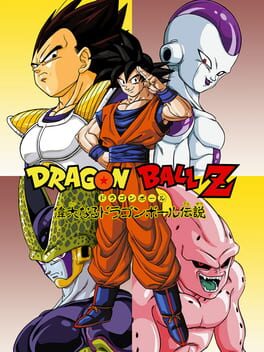
Dragon Ball Z: The Legend is a fighting game that blends classic 2‑D sprite combat with a three‑dimensional arena, letting players launch attacks both on the ground and high above. The story mode is divided into episodes that cover the most iconic battles from the Dragon Ball Z saga, offering fans a nostalgic replay of the series' key moments. The game features a unique combat system that differentiates it from typical fighters, emphasizing aerial combat and strategic positioning. Developed by BEC and Tose and published by Bandai, it delivers a sci‑fi fighting experience for both solo and multiplayer play.
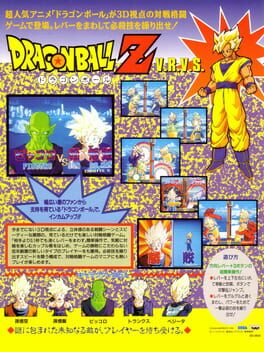
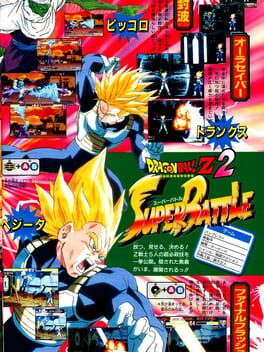
Dragon Ball Z: V.R.V.S. is a 1994 fighting game that brought the high‑energy battles of the anime to Sega's System 32 arcade hardware. Developed by Banpresto and Sega Enterprises, it features a roster of iconic characters and fast‑paced combat. Players can duel in single‑player mode or challenge friends in head‑to‑head multiplayer, experiencing the series' signature moves and combos in an arcade‑style setting.
- Unique aerial combat system
- Comprehensive DBZ story episodes
- Both single and multiplayer modes
- Retro 2‑D sprite charm
- Faithful to the Dragon Ball Z source material
- Responsive two‑player controls
- Rich sprite animation for its era
- Fast‑paced, easy‑to‑learn combat
- Limited platform availability
- Graphics dated by modern standards
- Control scheme can be steep for newcomers
- Limited to arcade hardware, no modern ports
- Small character roster compared to later titles
- No online multiplayer support
More alternatives & similar tools
Alternatives to Dragon Ball Z: The Legend
View all →
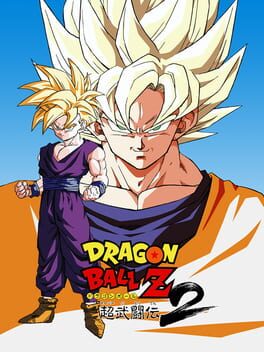
Epic DBZ battles with manga‑style graphics and destructible arenas.
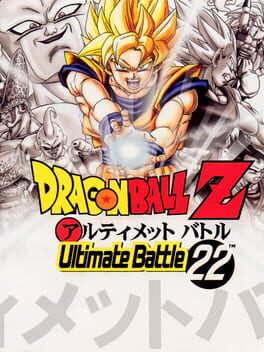
Fight with 22 iconic DBZ characters in fast‑paced arcade action
Alternatives to Dragon Ball Z: V.R.V.S.
View all →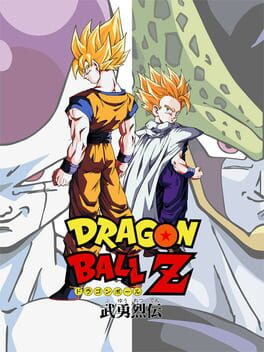
Classic Dragon Ball fighting action on the Mega Drive era hardware
The Verdict
AI-generated from listing dataBoth are paid retro DBZ fighters, but A offers classic arcade‑style two‑player combat, while B adds aerial moves and story episodes.
Key differences
- •A is limited to Sega System 32 arcade hardware; B runs on unspecified platforms but is not limited to arcade cabinets.
- •A focuses on head‑to‑head two‑player battles with a combo system; B introduces ground‑and‑air combat and a story‑mode split into episodes.
- •A has a smaller character roster; B claims a full roster of iconic DBZ characters.
- •B emphasizes a narrative experience with episode reenactments; A provides a practice arena and progressive AI but no story mode.
- •Both lack online multiplayer, but A includes a physical arcade joystick layout, whereas B’s control scheme is noted as steep for newcomers.
Gameplay & fun factor
B adds aerial combat and story episodes, expanding tactical depth beyond A's classic arcade fights.
Platform availability
A is confined to Sega System 32 arcade hardware; B’s platform is unspecified but not limited to arcade cabinets.
Price & value
Both are paid one‑time purchases with no price differences given.
Multiplayer / co‑op
A highlights responsive two‑player joystick controls; B’s multiplayer is supported but control scheme is described as steep.
Content & replayability
B offers a full character roster and episodic story mode; A has a smaller roster and only practice/AI modes.
Difficulty & accessibility
A is described as fast‑paced and easy‑to‑learn; B’s control scheme can be steep for newcomers.
Graphics & performance
Both use retro 2‑D sprite art; B notes dated graphics, while A’s sprite animation is praised for its era.
Choose Dragon Ball Z: The Legend if…
Players seeking aerial combat, story episodes, and a larger character lineup.
Choose Dragon Ball Z: V.R.V.S. if…
Arcade purists who want straightforward two‑player fights and authentic DBZ arcade feel.
Common questions
Do either of these games support online multiplayer?
No; both only offer local single‑player and multiplayer modes.
Which game has more characters?
B claims a full roster of iconic DBZ characters; A has a smaller roster.
Can I play these games on modern consoles?
A is limited to Sega System 32 arcade hardware; B’s platform is unspecified but not limited to arcade, though no modern ports are mentioned.