


Dungeon Repeater vs Proteus
Side-by-side comparison of features, pricing, ratings, and alternatives.
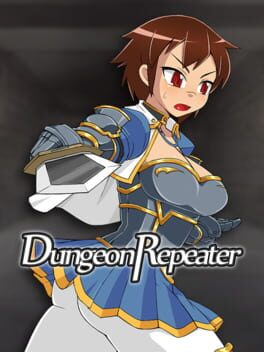

Dungeon Repeater is a game where you explore dungeons and repeat the process to progress. The game features procedurally generated dungeons, offering a unique experience each time you play.
Proteus is a first-person exploration game focused on immersion and atmosphere within a procedurally generated island world. Interaction is defined simply by your presence and observation as you discover tranquil valleys, magical ruins, and a variety of natural and imagined creatures. The experience is characterized by its dynamic audio-visual design, where the ambient soundscape and music evolve in response to your movement and interactions with the environment. With no traditional objectives or puzzles, the game offers a meditative journey through a vibrant, dream-like wilderness.
- High replay value due to procedural generation
- Challenging gameplay mechanic that requires strategy and skill
- Variety of environments and characters to unlock
- Fun and addictive gameplay experience
- Unique audio-visual integration
- Relaxing and meditative atmosphere
- Procedurally generated islands offer replayability
- Charming minimalist art style
- Steep learning curve due to complex gameplay mechanics
- Limited multiplayer options
- Some players may find the game too challenging or frustrating
- Graphics and sound design may not be as polished as other games in the genre
- Lacks traditional gameplay objectives or challenges
- Short overall runtime
- Very passive interaction model
More alternatives & similar tools
Alternatives to Dungeon Repeater
View all →

Alternatives to Proteus
View all →


The Verdict
AI-generated from listing dataProteus offers a calm, meditative exploration experience with minimal challenge, while Dungeon Repeater delivers demanding, strategic roguelike dungeon runs.
Key differences
- •Core gameplay focus: ambient exploration vs. tactical dungeon crawling.
- •Difficulty level: very low challenge in Proteus vs. steep learning curve in Dungeon Repeater.
- •Replay value source: procedurally generated islands (Proteus) vs. repeatable dungeons with unlockable gear and characters (Dungeon Repeater).
- •Target mood: relaxing, passive interaction vs. intense, skill‑based action.
- •Release date and maturity: Proteus released 2013 with ESRB E rating; Dungeon Repeater slated for 2026, no rating provided.
Gameplay & fun factor
Dungeon Repeater offers strategic combat and character progression, whereas Proteus is passive with no objectives.
Price & value
Proteus costs $9.99; Dungeon Repeater price not specified, so Proteus has a known lower cost.
Difficulty & accessibility
Proteus has no combat and is rated ESRB E, making it more accessible than Dungeon Repeater's steep learning curve.
Content & replayability
Dungeon Repeater’s procedural dungeons, unlockable items, and characters provide deeper long‑term replay than Proteus’s short runtime.
Graphics & performance
Both lack detailed graphics info; neither provides explicit performance data.
Multiplayer / co‑op
Both are single‑player only.
Platform availability
Platform details not specified for either game.
Choose Dungeon Repeater if…
Players who want challenging, strategic roguelike gameplay with deep progression.
Choose Proteus if…
Players seeking a relaxing, low‑stress indie experience with minimal cost.
Common questions
How much does each game cost?
Proteus is $9.99; Dungeon Repeater’s price is not listed.
Is there any combat or difficulty in Proteus?
No; Proteus has no combat and is described as having no traditional gameplay objectives.
What kind of replay value does each game offer?
Proteus relies on procedurally generated islands; Dungeon Repeater offers repeatable dungeons, unlockable gear, and new characters.