


Flower vs Proteus
Side-by-side comparison of features, pricing, ratings, and alternatives.
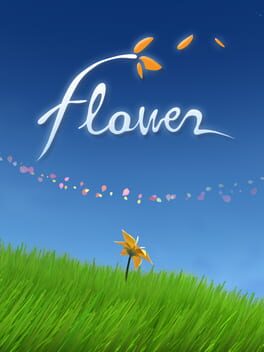
Flower is a serene, artistic adventure where you control the wind to guide petals through beautiful landscapes. The game blends puzzle elements with a relaxing simulator experience, encouraging exploration and discovery. Developed by ThatGameCompany and published by Annapurna Interactive and Sony Computer Entertainment, Flower offers a single-player journey across multiple platforms, delivering a calming escape for players of all ages.
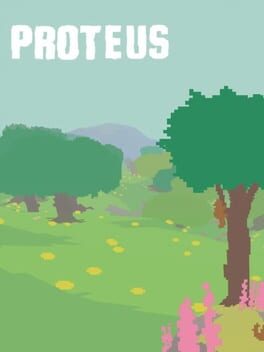
Proteus is a first-person exploration game focused on immersion and atmosphere within a procedurally generated island world. Interaction is defined simply by your presence and observation as you discover tranquil valleys, magical ruins, and a variety of natural and imagined creatures. The experience is characterized by its dynamic audio-visual design, where the ambient soundscape and music evolve in response to your movement and interactions with the environment. With no traditional objectives or puzzles, the game offers a meditative journey through a vibrant, dream-like wilderness.
- Beautiful, meditative visuals
- Simple yet engaging controls
- Relaxing soundtrack
- Short playtime suitable for quick sessions
- Unique audio-visual integration
- Relaxing and meditative atmosphere
- Procedurally generated islands offer replayability
- Charming minimalist art style
- Limited replayability after completion
- Minimal narrative depth
- Some platform performance variations
- Lacks traditional gameplay objectives or challenges
- Short overall runtime
- Very passive interaction model
More alternatives & similar tools
Alternatives to Flower
View all →

Alternatives to Proteus
View all →

The Verdict
AI-generated from listing dataBoth games cost $9.99 and offer single‑player, meditative experiences, but Flower provides light puzzles and a clearer progression, while Proteus offers endless procedural islands for passive, exploratory play.
Key differences
- •Gameplay focus: Proteus is pure exploration with no objectives; Flower adds wind‑based puzzles and a simple narrative.
- •Replayability: Proteus’ procedurally generated islands give higher replay value; Flower’s content is limited after completion.
- •Critical reception: Flower scores higher (83) than Proteus (70), indicating broader reviewer approval.
- •Audio integration: Both feature dynamic soundtracks, but Proteus ties music directly to surroundings, whereas Flower’s music reacts to player actions.
- •Narrative depth: Flower conveys a visual story; Proteus has essentially no narrative.
Gameplay & fun factor
Flower includes light puzzles and a progression loop, offering more active engagement than Proteus’ passive exploration.
Platform availability
Specific platform lists are not provided for either title, so availability cannot be distinguished.
Pricing & value
Both are priced at $9.99, offering identical cost.
Multiplayer / co‑op
Both are single‑player only.
Content & replayability
Proteus generates new islands each play, giving higher replay potential than Flower’s fixed levels.
Difficulty & accessibility
Both are rated ESRB E and feature low‑stress, accessible experiences; no difficulty data to separate them.
Graphics & performance
Both are praised for beautiful, meditative visuals; no performance metrics are provided.
Choose Flower if…
Players who prefer a short, visually striking experience with light puzzles and a subtle story.
Choose Proteus if…
Players who want a tranquil, goal‑free exploration sandbox with endless variety.
Common questions
Do both games cost the same?
Yes, each has an MSRP of $9.99.
Which game offers more replay value?
Proteus, because its islands are procedurally generated, providing new layouts on each playthrough.
Is there any combat or hard difficulty in either game?
No; both are rated ESRB E, focus on relaxation, and lack combat or challenging difficulty.