


Elite vs Elite: Dangerous
Side-by-side comparison of features, pricing, ratings, and alternatives.
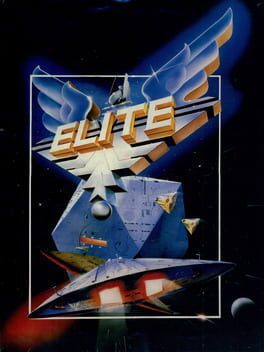

Elite is a groundbreaking 1984 space trading game that introduced open‑ended gameplay, wire‑frame 3D graphics with hidden line removal, and a deep economy system. Developed by David Braben and Ian Bell, it lets players travel between star systems, trade goods, and hunt for a combat rating high enough to become an "Elite" pilot.
Elite: Dangerous puts you behind the cockpit of a starship in a stunning, 1:1 scale recreation of the Milky Way. From bustling trade hubs to the farthest reaches of uncharted space, the game offers limitless freedom to chart your own destiny. Whether you prefer solo exploration, tight‑knit invite‑only groups, or the bustling open‑world MMO experience, every mode delivers deep simulation, intense combat, and a living galaxy full of politics and power struggles.
- Pioneering 3D graphics for its era
- Open‑ended sandbox gameplay
- Deep trading and combat systems
- Rich sci‑fi lore and legacy
- Massive, realistic galaxy
- Deep, player‑driven economy
- Full VR and cross‑platform support
- Rich single‑player and MMO experiences
- Steep learning curve for new players
- Primitive sound and UI by modern standards
- Limited save slots in original versions
- Steep learning curve for new pilots
- High system requirements for optimal visuals
- Multiplayer can be competitive and unforgiving
More alternatives & similar tools
Alternatives to Elite
View all →

Alternatives to Elite: Dangerous
View all →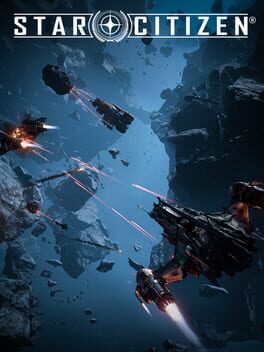
Explore the vast verse, trade, fight, and live out your sci-fi dreams in this open-world space MMO.

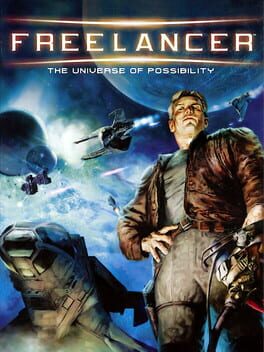
Explore the vast Sirius sector and trade across planetary systems in this sci-fi space adventure.
The Verdict
AI-generated from listing dataElite (1984) offers a historic, low‑cost single‑player sandbox with primitive graphics, while Elite: Dangerous (2014) delivers a modern, massive 1:1 Milky Way with VR, multiplayer and higher system demands.
Key differences
- •Graphics: wire‑frame 3D vs modern high‑detail with VR support.
- •Scale: procedurally generated galaxy vs true 1:1 Milky Way mapping.
- •Multiplayer: single‑player only vs single, co‑op, and MMO modes.
- •Price & platform: original is a one‑time low‑cost classic, runs on legacy systems; Dangerous costs $59.99 and runs on PC, consoles, VR.
- •Release era & support: 1984 game has limited saves and dated UI; Dangerous receives updates and has a critic score of 82/100.
Gameplay & fun factor
Dangerous adds VR, MMO, and a realistic economy, expanding ways to play beyond Elite's single‑player sandbox.
Platform availability
Dangerous supports PC, consoles, and VR; Elite is limited to legacy platforms from the 1980s.
Price & value
Elite is a historic one‑time purchase (price not listed but far cheaper than $59.99).
Multiplayer / co‑op
Dangerous offers single‑player, co‑op, and MMO; Elite is single‑player only.
Content & replayability
Dangerous' 1:1 galaxy, dynamic economy, and ongoing updates provide more long‑term content than Elite's static galaxy.
Difficulty & accessibility
Both have steep learning curves, but Elite's simpler graphics and UI may be easier on low‑end hardware.
Graphics & performance
Dangerous features modern high‑detail visuals and full VR; Elite uses primitive wire‑frame graphics.
Choose Elite if…
Fans of retro space sims who want low cost and simple single‑player experience.
Choose Elite: Dangerous if…
Players seeking a modern, expansive galaxy with VR, multiplayer and ongoing updates.
Common questions
Which game is cheaper?
Elite (1984) is a one‑time purchase with no listed price, likely far cheaper than Elite: Dangerous's $59.99 MSRP.
Do either games support multiplayer?
Elite is single‑player only; Elite: Dangerous supports single‑player, co‑op, and MMO modes.
Can I play Elite: Dangerous on a low‑end PC?
Dangerous has high system requirements for optimal visuals; Elite runs on legacy hardware with minimal demands.