


Fable II vs Fable: The Journey
Side-by-side comparison of features, pricing, ratings, and alternatives.
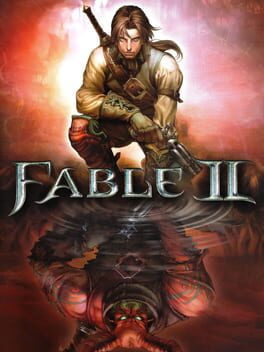
Step into the magical world of Albion as a Hero destined to shape the future. The game blends humor, moral choices, and a living economy to create a memorable RPG experience. Explore sprawling towns, treacherous dungeons, and vibrant countryside while forging alliances, battling foes, and watching the consequences of your actions ripple through the world.
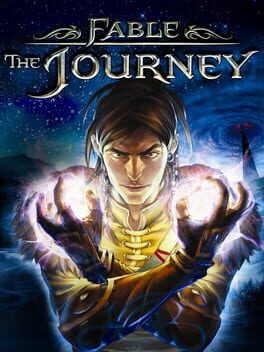
Set 50 years after the events of Fable III, Fable: The Journey invites players to come to the aid of the mysterious Theresa on a perilous quest across Albion. Built from the ground up for the Kinect sensor, the game immerses you in a rich fantasy world filled with dangerous enemies, thrilling chases, and memorable characters. Wield magic directly with your hands to defeat foes, defend yourself in intense combat encounters, and solve intricate puzzles along the way. Combining deep storytelling with motion-controlled gameplay, it offers a unique perspective on the beloved Fable universe as you journey toward becoming a true hero.
- Rich, branching storyline with meaningful choices
- Vibrant open world full of secrets
- Co‑op mode adds shared fun
- Humorous writing and memorable characters
- Innovative use of Kinect motion controls for spellcasting and combat
- Engaging narrative set decades after Fable III
- Features the signature humor and picturesque world of Albion
- Offers a fresh, immersive perspective on a beloved franchise
- Combat can feel repetitive after extended play
- Some side quests are overly fetch‑based
- Graphics show their age compared to modern titles
- Relies entirely on Kinect hardware, limiting control options
- More linear structure compared to traditional open-world Fable titles
- Motion tracking can occasionally feel demanding or imprecise
More alternatives & similar tools
Alternatives to Fable II
View all →
Experience the world of Albion in a whole new way through an action-packed Kinect adventure.
Alternatives to Fable: The Journey
View all →
The Verdict
AI-generated from listing dataFable: The Journey is a Kinect‑only, linear adventure at a lower price, while Fable II delivers a classic open‑world RPG with co‑op but costs more.
Key differences
- •Control scheme: Kinect motion vs standard controller.
- •World design: Linear narrative vs open‑world exploration.
- •Multiplayer: Single‑player only vs includes co‑op.
- •Price: $39.99 for Journey vs $59.99 for Fable II.
- •Critical reception: 63/100 vs 86/100.
Gameplay & fun factor
Higher critic score (86) and open‑world, branching choices make Fable II more engaging.
Platform availability
Fable II runs on standard hardware; Journey requires Kinect, limiting its platform.
Price & value
Journey costs $39.99, $20 cheaper than Fable II's $59.99.
Multiplayer / co‑op
Fable II offers cooperative mode; Journey is single‑player only.
Content & replayability
Open world, decision‑driven outcomes, and higher critic score give Fable II more replay value.
Difficulty & accessibility
Standard controls are easier; Kinect motion can feel demanding or imprecise.
Graphics & performance
No specific graphics data provided for either title.
Choose Fable II if…
Players seeking a full open‑world RPG with co‑op and deeper choices.
Choose Fable: The Journey if…
Kinect owners wanting a short, story‑focused Fable experience.
Common questions
Does Fable: The Journey require any special hardware?
Yes, it requires the Kinect sensor; no other controller options are supported.
Which game includes multiplayer?
Fable II includes a cooperative mode; Fable: The Journey is single‑player only.
How do the prices compare?
Fable: The Journey is $39.99, while Fable II costs $59.99.