


Gekido vs Karateka
Side-by-side comparison of features, pricing, ratings, and alternatives.
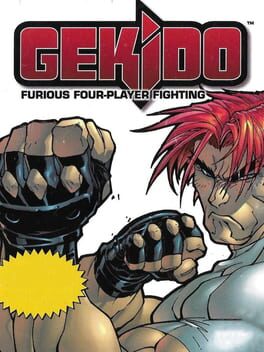
Gekido is a gritty beat 'em up for the PlayStation that drops you into a neon‑lit cityscape teeming with bosses and colorful enemies. Featuring music from Fatboy Slim and Apartment 26, the game blends frantic combat with a comic‑book aesthetic crafted by Joe Madureira. The title supports single‑player, multiplayer and co‑operative modes, letting you team up with sidekicks Michelle, Ushi and Tetsuo to rescue the kidnapped girl Angela. A Game Boy Color version and a GBA spin‑off followed, cementing its cult status among retro action fans.
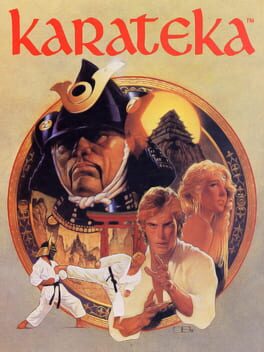
Karateka is a 1984 beat'em up created by Jordan Mechner while at Yale. Players guide an unnamed hero through Akuma's fortress, using punches and kicks to defeat guards and rescue Princess Mariko. The game was notable for its realistic character animation and challenging single‑session design, lacking checkpoints or saves. A high‑definition remake later brought the classic to modern consoles and PC, preserving its iconic gameplay.
- High energy combat with satisfying combos
- Memorable boss designs and variety
- Strong comic‑book visual style
- Co‑op mode adds replay value
- Groundbreaking animation for its era
- Tight, responsive combat controls
- Engaging side‑scrolling level design
- Available on modern platforms via HD remake
- Limited camera control can obscure enemies
- Occasional frame‑rate drops on original hardware
- Story is minimal and delivered through brief cutscenes
- No save points or checkpoints
- Limited replay variety
- Simple graphics may feel dated to some players
More alternatives & similar tools
Alternatives to Gekido
View all →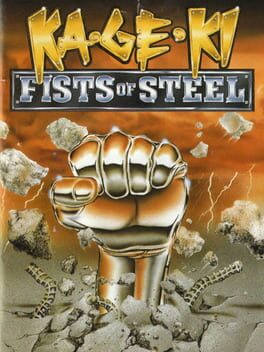
Alternatives to Karateka
View all →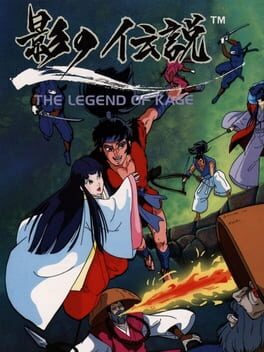
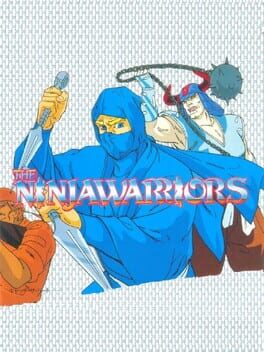
Classic ninja arcade action where you slash, throw shuriken and rescue a princess across changing seasons
The Verdict
AI-generated from listing dataGekido offers modern co‑op beat‑em‑up action with varied enemies and a licensed soundtrack, while Karateka is a historic 1984 side‑scrolling title with minimalist graphics and no checkpoints.
Key differences
- •Gekido supports two‑player co‑op; Karateka is single‑player only
- •Gekido features a diverse roster of 30+ enemies and four characters; Karateka has simple enemy types
- •Gekido includes a licensed soundtrack and comic‑book art; Karateka relies on hand‑drawn 1980s animation
- •Gekido runs on original 2000 hardware with occasional frame‑rate drops; Karateka’s HD remake runs on modern consoles and PC
- •Gekido offers multiple difficulty settings; Karateka has no checkpoints and must be completed in one sitting
Gameplay & fun factor
Gekido provides combo chains, boss patterns and co‑op, delivering more varied combat than Karateka’s single‑player punches/kicks.
Platform availability
Karateka’s HD remake runs on PC, Xbox 360, PS3, iOS and more; Gekido is limited to its original 2000 release platform.
Price & value
Both are one‑time paid games; no pricing details differ in the provided data.
Multiplayer / co‑op
Gekido includes two‑player co‑op; Karateka is single‑player only.
Content & replayability
Gekido offers multiple characters, difficulty levels and varied enemies; Karateka has limited replay variety and no checkpoints.
Difficulty & accessibility
Karateka’s simple controls are highly accessible, though lack checkpoints; Gekido’s limited camera and occasional frame‑rate drops raise the barrier.
Graphics & performance
Karateka’s HD remake runs on modern hardware; Gekido suffers occasional frame‑rate drops on original hardware.
Choose Gekido if…
Buy Gekido if you want modern co‑op beat‑em‑up action with varied enemies and music.
Choose Karateka if…
Buy Karateka if you prefer a classic, single‑player experience that runs on current consoles and PC.
Common questions
Is there a way to play Gekido with friends?
Yes, Gekido supports two‑player cooperative play.
Can I play Karateka on a modern console?
Yes, the HD remake is available for PC, Xbox 360, PS3, iOS and other platforms.
Do either game offer save points or checkpoints?
Karateka has none; Gekido’s original version does not mention save points, but includes multiple difficulty settings.