


Karateka vs The Legend of Kage
Side-by-side comparison of features, pricing, ratings, and alternatives.
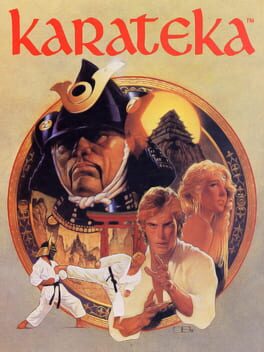

Karateka is a 1984 beat'em up created by Jordan Mechner while at Yale. Players guide an unnamed hero through Akuma's fortress, using punches and kicks to defeat guards and rescue Princess Mariko. The game was notable for its realistic character animation and challenging single‑session design, lacking checkpoints or saves. A high‑definition remake later brought the classic to modern consoles and PC, preserving its iconic gameplay.
The game features multiple rescues that trigger seasonal changes, cooperative multiplayer modes, and iconic retro graphics that have made it a beloved title since its 1985 arcade debut. Originally released on arcade hardware and later ported to home systems, it remains a fast‑paced hack‑and‑slash experience for modern players.
- Groundbreaking animation for its era
- Tight, responsive combat controls
- Engaging side‑scrolling level design
- Available on modern platforms via HD remake
- Fast‑paced hack‑and‑slash gameplay
- Unlimited shuriken keeps action continuous
- Co‑op mode adds shared fun
- Seasonal visual changes keep levels fresh
- No save points or checkpoints
- Limited replay variety
- Simple graphics may feel dated to some players
- Limited modern graphics compared to contemporary titles
- Simple AI can feel repetitive after many plays
- No official online leaderboards
More alternatives & similar tools
Alternatives to Karateka
View all →Classic ninja arcade action where you slash, throw shuriken and rescue a princess across changing seasons



Alternatives to The Legend of Kage
View all →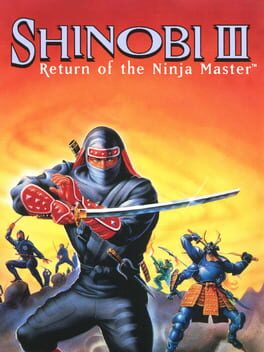
Fast‑paced ninja action returns with classic side‑scrolling thrills.
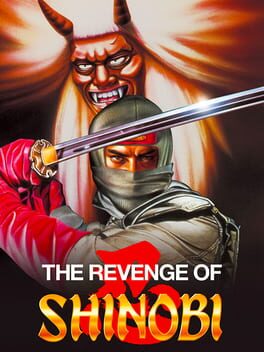
Joe Musashi returns for vengeance against Neo Zeed in classic side‑scroll action
The Verdict
AI-generated from listing dataKarateka offers classic single‑player side‑scroll combat with groundbreaking animation but no checkpoints, while The Legend of Kage adds co‑op play, seasonal variety, and unlimited shuriken at a modest price.
Key differences
- •Karateka is single‑player only; Legend of Kage supports two‑player co‑op.
- •Karateka has no checkpoints, requiring one‑sitting completion; Legend of Kage includes multiple rescues and power‑ups.
- •Legend of Kage features seasonal level changes and unlimited shuriken, adding visual and gameplay variety; Karateka’s graphics are static retro.
- •Legend of Kage lists a specific MSRP ($9.99) while Karateka’s price is unspecified beyond “Paid (One-time)”.
- •Karateka’s critic score is 70/100; Legend of Kage has no critic score provided.
Gameplay & fun factor
Legend of Kage offers fast‑paced hack‑and‑slash, unlimited shuriken, seasonal changes and co‑op, increasing variety over Karateka’s single‑player beat‑em‑up.
Platform availability
Karateka has an HD remake on PC, Xbox 360, PS3, iOS and many retro consoles; Legend of Kage only noted as running on original arcade hardware.
Price & value
Legend of Kage has a clear MSRP of $9.99; Karateka’s price is not specified, making cost comparison uncertain.
Multiplayer / co‑op
Legend of Kage supports single‑player and cooperative multiplayer; Karateka is single‑player only.
Content & replayability
Legend of Kage includes multiple rescues, seasonal level changes, and arcade‑style scoring; Karateka has limited replay variety and no checkpoints.
Difficulty & accessibility
Karateka’s simple control scheme and single‑sitting challenge may appeal to players seeking a focused retro difficulty; Legend of Kage’s unlimited shuriken eases combat.
Graphics & performance
Karateka’s HD remake provides high‑definition updates and historically praised hand‑drawn animation; Legend of Kage retains original 1985 pixel art without modern upgrades.
Choose Karateka if…
Players who want a polished, single‑player retro experience with HD visuals and don’t need co‑op.
Choose The Legend of Kage if…
Players who want co‑op, seasonal variety, and clear low price for arcade‑style action.
Common questions
Which game is cheaper?
The Legend of Kage lists an MSRP of $9.99; Karateka’s price is not specified beyond being a one‑time paid title.
Can I play with a friend?
Yes, Legend of Kage supports cooperative multiplayer; Karateka is single‑player only.
Do either games have modern graphics?
Karateka has an HD remake for modern platforms; Legend of Kage retains its original 1985 pixel‑art style.