Hatsune Miku: Project Diva vs Osu!
Side-by-side comparison of features, pricing, ratings, and alternatives.


Hatsune Miku: Project Diva is a rhythm game and the first entry in the Project Diva series. It centers on songs performed by Vocaloid singing synthesizer software, most notably the virtual diva Hatsune Miku, letting players hit notes in time with a catalog of vocal tracks. The game was the first video game to use Yamaha's Vocaloid software. Sega later released Hatsune Miku: Project Diva Dreamy Theater, a PlayStation Network downloadable version for the PlayStation 3 with updated visuals that requires a PlayStation Portable connected via USB.
Osu! is an open‑source rhythm game created by Dean Herbert in 2007. Players click circles, slide, spin, or hit notes in time with music using a cursor, tablet, keyboard, or touch input. The game offers four distinct rulesets—standard, taiko, catch, and mania—each providing a different style of play. Community‑made beatmaps keep the library constantly expanding, and global leaderboards track performance points across single‑player and multiplayer modes.
- Introduces Vocaloid-powered music to players in an interactive rhythm format.
- Features Hatsune Miku as a central virtual diva with animated performances.
- Dreamy Theater offers updated visuals for PlayStation 3 owners.
- Accessible single-player design suits solo music sessions.
- Free to download and play
- Cross‑platform support
- Large, constantly expanding beatmap library
- Multiple distinct rulesets for varied gameplay
- Dreamy Theater requires a PlayStation Portable and a USB connection to run on PlayStation 3.
- Appeals mainly to players who already enjoy Vocaloid music or virtual idol culture.
- As a single-player title, it lacks multiplayer or cooperative modes.
- Steep learning curve for advanced maps
- Performance can vary on low‑end hardware
- Limited official support; relies on community
More alternatives & similar tools
Alternatives to Hatsune Miku: Project Diva
View all →
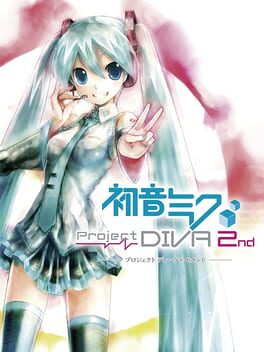
A rhythm game featuring Vocaloid songs and the virtual diva Hatsune Miku, with 66 songs to play.
Alternatives to Osu!
View all →
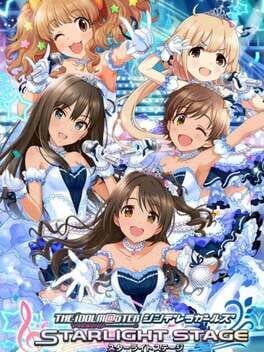
A free-to-play rhythm game where you tap idol icons in time with the music.
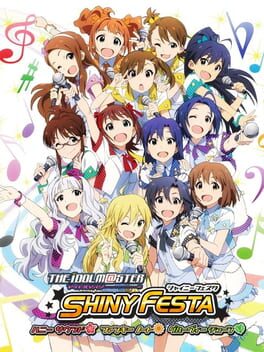
A rhythm game where 765 Production idols take the stage at a music festival, timed to every beat.