


LibreOffice vs Microsoft Excel
Side-by-side comparison of features, pricing, ratings, and alternatives.
LibreOffice is a fully-featured office suite that includes a word processor, spreadsheet, presentation, drawing, and database tools. It supports a wide range of file formats, including Microsoft Office formats, making it easy to collaborate across platforms. The suite is community-driven, regularly updated, and available on all major desktop operating systems. Its open-source nature ensures transparency, security, and the ability to customize or extend functionality through extensions.
Microsoft Excel is a spreadsheet application for calculations, data analysis and charting, with PivotTables, Power Query and macro automation. The full desktop app comes with Microsoft 365 or an Office purchase, and a more limited Excel for the web is free with a Microsoft account.
- Completely free with no hidden costs
- Runs on Windows, macOS, and Linux
- High compatibility with Microsoft Office files
- Extensible via a robust extensions ecosystem
- Powerful formulas, PivotTables and charts
- Widely used .xlsx standard
- Power Query and VBA macro automation
- Large ecosystem of templates and add-ins
- User interface feels dated compared to some commercial suites
- Limited native cloud collaboration features
- Performance can be slower with very large documents
- Full desktop version needs Microsoft 365 or an Office purchase
- Web version lacks some advanced features such as full VBA
- Not designed for very large datasets
More alternatives & similar tools
Alternatives to LibreOffice
View all →

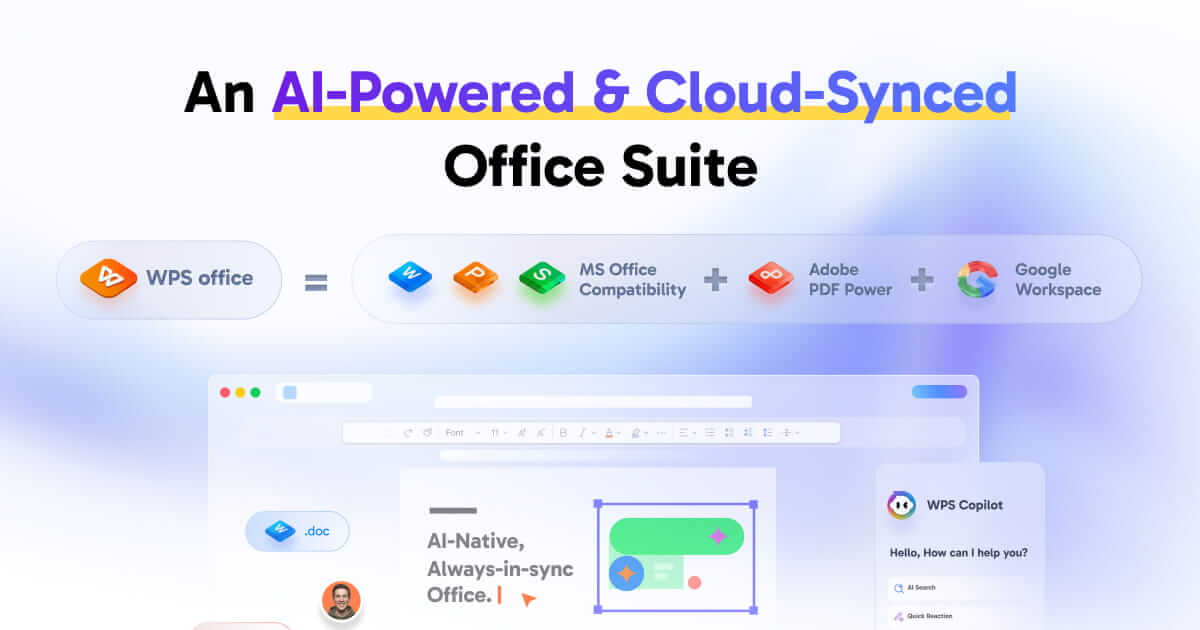

Alternatives to Microsoft Excel
View all →
The Verdict
AI-generated from listing dataExcel offers richer data‑analysis features and a modern ecosystem at a cost, while LibreOffice provides a fully free, cross‑platform suite with basic spreadsheet capabilities.
Key differences
- •Cost: Excel requires a Microsoft 365 subscription for full desktop features; LibreOffice is completely free.
- •Advanced automation: Excel supports VBA and Power Query; LibreOffice relies on the UNO API and lacks native VBA.
- •Platform reach: LibreOffice runs on Windows, macOS, and Linux; Excel’s full desktop version is Windows/macOS only and tied to Microsoft 365.
- •Collaboration: Excel has a web version for limited online editing; LibreOffice has no built‑in cloud collaboration tools.
- •Performance with large files: Both struggle, but Excel notes it’s not designed for very large datasets, while LibreOffice notes slower performance with very large documents.
Pricing & value
LibreOffice is free with no hidden costs; Excel requires a Microsoft 365 subscription for full features.
Ease of use / learning curve
Excel’s modern UI and widespread familiarity make it easier for most business users than LibreOffice’s dated interface.
Features & depth
Excel provides Power Query, VBA, PivotTables and a large add‑in ecosystem; LibreOffice offers core spreadsheet functions but fewer advanced tools.
Integrations & ecosystem
Excel integrates tightly with Microsoft 365, Power BI and many third‑party add‑ins; LibreOffice relies on extensions with less enterprise integration.
Collaboration
Both have limited native cloud collaboration; Excel has a web version, LibreOffice has no built‑in cloud features.
Scalability
Excel is not designed for very large datasets; LibreOffice notes slower performance with very large documents.
Support
Excel support is not detailed in the facts; LibreOffice offers community forums, documentation, and email support.
Choose LibreOffice if…
Cost‑sensitive users or small businesses needing basic spreadsheet work across Windows, macOS, and Linux.
Choose Microsoft Excel if…
Analysts or finance teams needing advanced formulas, VBA automation, and Microsoft 365 integration, willing to pay.
Common questions
Which tool is cheaper for a small business?
LibreOffice is free; Excel requires a Microsoft 365 subscription for full desktop functionality.
Can I automate tasks with macros in both tools?
Excel supports VBA macros; LibreOffice uses the UNO API and does not support native VBA.
What if I need to work on very large spreadsheets?
Both note limitations: Excel isn’t designed for very large datasets, and LibreOffice may become slower with large files.