


Luminance vs SpeedLegal
Side-by-side comparison of features, pricing, ratings, and alternatives.


Luminance is a legal AI platform, founded by mathematicians in 2015, that automates contract drafting, negotiation, and analysis across the full contract lifecycle. Its AI acts like a legal spellchecker during negotiation, flagging non-standard clauses inside Microsoft Word, while a portfolio-wide analysis module tracks obligations, risk, and compliance across an organization's entire contract base.
SpeedLegal is an AI-powered contract analysis platform that acts as a personal AI contract paralegal. It uses machine learning and large language models to review contracts, identify hidden risks and unfavourable terms, provide automated summaries, answer questions about contract language, and offer personalized suggestions. Users can upload their own contract standards to align reviews with their business needs. It is designed for lawyers, professionals, and individuals, with plans ranging from free (up to 3 contracts) to Enterprise. The platform also offers an optional human legal review for paid tiers.
- Deep integration with Microsoft Word fits existing negotiation workflows
- Covers review, drafting, compliance, and investigation in one suite
- Long track record (founded 2015) with enterprise customers across industries
- Strong claimed time-savings on first-pass contract review
- Free for individuals (up to 3 contracts) and underserved communities
- AI-powered analysis speeds contract review by up to 3X
- Identifies hidden risks and unfavourable terms
- Provides plain-language explanations and summaries
- Pricing is entirely quote-based with no self-serve option
- Feature breadth can mean a longer onboarding and configuration process
- Primarily targeted at larger organizations rather than small legal teams
- No pricing details visible; requires contact for plans
- Currently undergoing a major upgrade; service is temporarily unavailable
- Human review only for paid plans (Startup, Growth, Enterprise); free users rely solely on AI
- Primarily supports Common Law (USA); Civil Law coverage limited
More alternatives & similar tools
Alternatives to Luminance
View all →



Alternatives to SpeedLegal
View all →Instant AI-driven contract risk analysis for founders and freelancers—without the law-firm price tag.

Instant AI-powered legal document reviews that turn complicated contracts into clear, ranked risk reports — for just $6.99.
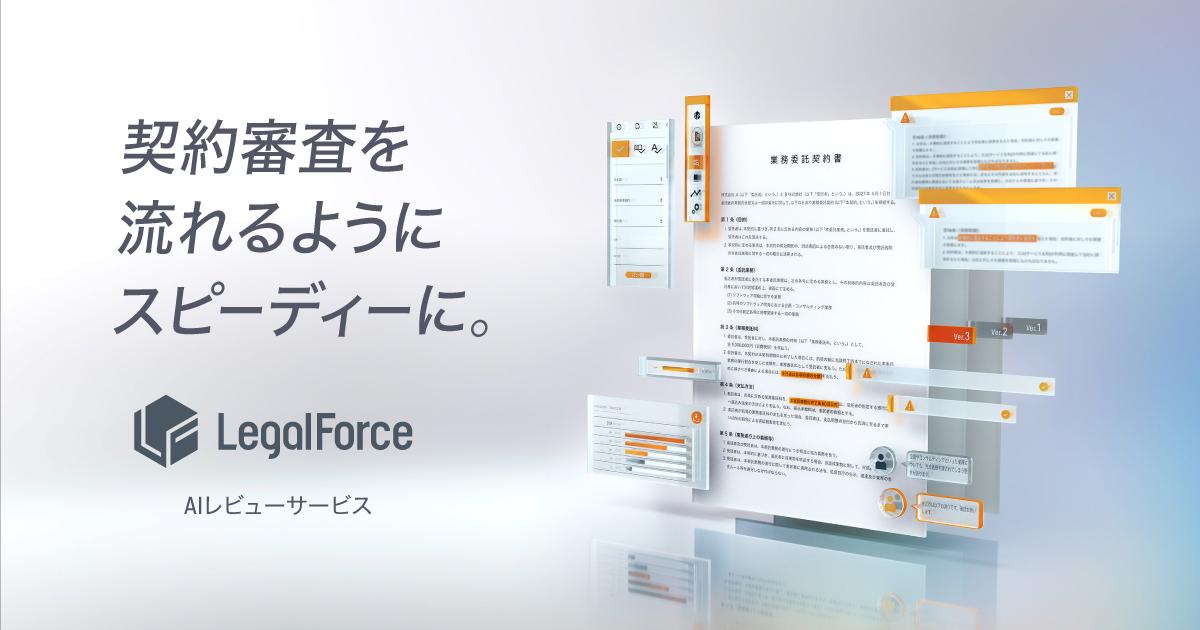
AI-powered contract review that surfaces hidden risks, supports revisions, and centralizes legal knowledge.
The Verdict
AI-generated from listing dataLuminance offers an enterprise‑grade, Microsoft‑Word‑centric suite with deep features but requires a quoted price, while SpeedLegal provides a free‑to‑try AI reviewer with limited integrations and a less formal pricing model.
Key differences
- •Luminance integrates tightly with Microsoft Word/365 and DocuSign; SpeedLegal has no listed integrations.
- •Luminance pricing is quote‑based and enterprise‑focused; SpeedLegal offers a free tier for up to 3 contracts.
- •Luminance supports a full suite (drafting, compliance, investigation) across large organizations; SpeedLegal focuses on fast review and summaries with limited feature breadth.
- •Luminance targets mid‑size to large enterprises; SpeedLegal also markets to individuals, startups, and small teams.
- •Luminance provides cloud SaaS with API access; SpeedLegal’s security details are limited to SSL encryption and lacks API mention.
Pricing & value
SpeedLegal offers a free tier and tiered plans; Luminance requires a custom quote with no self‑serve pricing.
Ease of use / learning curve
SpeedLegal’s limited feature set and free tier suggest quicker onboarding than Luminance’s broader suite.
Features & depth
Luminance includes drafting, compliance monitoring, investigation, and company‑wide risk dashboards; SpeedLegal focuses on review, summaries, and red‑flags.
Integrations & ecosystem
Luminance lists Microsoft Word, Microsoft 365, and DocuSign integrations; SpeedLegal lists none.
Collaboration
Luminance’s cloud SaaS and API support collaborative workflows; SpeedLegal lacks collaboration or integration details.
Scalability
Luminance targets mid‑size to large enterprises with enterprise‑grade features; SpeedLegal is geared toward individuals and small teams.
Support & security
Luminance offers email and support portal; SpeedLegal only mentions SSL encryption, no support channels specified.
Choose Luminance if…
Large legal or procurement teams needing full‑stack contract lifecycle management and enterprise integrations.
Choose SpeedLegal if…
Small firms, startups, or individual lawyers wanting a free, quick AI review without deep integration needs.
Common questions
What are the pricing options?
Luminance requires a custom quote; SpeedLegal provides a free tier for up to 3 contracts and paid plans (Startup, Growth, Enterprise).
Does either tool integrate with existing document systems?
Luminance integrates with Microsoft Word, Microsoft 365, and DocuSign; SpeedLegal lists no integrations.
Which solution supports broader contract lifecycle functions?
Luminance offers drafting, compliance monitoring, investigation, and risk dashboards; SpeedLegal focuses mainly on review, summaries, and red‑flagging.