


Mario & Luigi: Dream Team vs Paper Mario: The Thousand-Year Door
Side-by-side comparison of features, pricing, ratings, and alternatives.
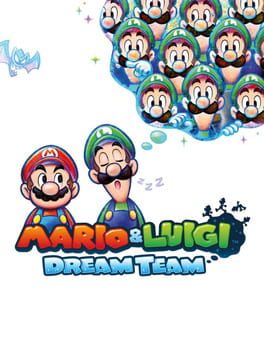
Mario and Luigi travel to Pi'illo Island, where a mysterious pillow plunges them into Luigi’s wild imagination. They must rescue Princess Peach and help Prince Dreambert free the petrified Pi'illo people from the bat‑king Antasma’s curse. The game blends turn‑based combat, puzzle solving, and humor as players switch between Mario and Luigi to overcome challenges in both the real world and the Dream World, delivering a unique action‑RPG experience.
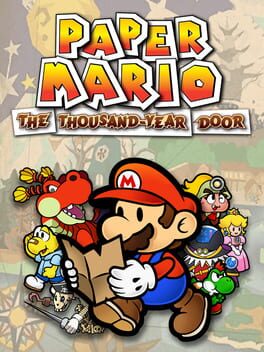
Paper Mario: The Thousand-Year Door is a turn‑based role‑playing game and the second entry in the Paper Mario series. Set in a whimsical world that looks like paper, players guide Mario through themed locations, solving puzzles and battling enemies with a timing‑based combat system that rewards well‑timed button presses. The story follows Mario’s quest to collect seven Crystal Stars, rescue Princess Peach from the alien X‑Nauts, and uncover the mystery behind the fabled Thousand‑Year Door, all while recruiting quirky companions and equipping badges for new abilities.
- Engaging dual‑character mechanics
- Rich comedic writing and characters
- Varied puzzles and combat scenarios
- Strong RPG progression system
- Engaging story with charming humor
- Deep badge customization system
- Varied party members with unique abilities
- Beautiful paper‑style visuals
- Limited to single‑player mode
- Graphics are modest by modern standards
- Some puzzles can be overly obtuse
- Single‑player only limits replay with friends
- Combat can feel repetitive after extended play
- Some puzzles rely heavily on specific badge combos
More alternatives & similar tools
Alternatives to Mario & Luigi: Dream Team
View all →
A comedic RPG adventure where brothers team up with Bowser to rescue Peach.
Time‑traveling brothers team up with their babies to save the kingdom
A comedic RPG where you battle inside Bowser’s belly and the Mushroom Kingdom alike
Alternatives to Paper Mario: The Thousand-Year Door
View all →
A comedic RPG adventure where brothers team up with Bowser to rescue Peach.
The Verdict
AI-generated from listing dataPaper Mario: The Thousand-Year Door offers higher critical acclaim and deeper badge customization, while Mario & Luigi: Dream Team provides dual‑character mechanics but at a higher price.
Key differences
- •Critic scores: 90/100 vs 80/100
- •Badge‑based customization depth vs brother‑swap abilities
- •Price: $39.99 vs $59.99
- •Release era and visual polish (2004 vs 2013)
- •Age rating: ESRB E vs E10+ (younger audience suitability)
Gameplay & fun factor
Paper Mario’s timing‑based combat plus varied party members and humor scored 90, indicating stronger overall fun.
Platform availability
Both are single‑player titles; platform specifics not provided.
Price & value
Paper Mario costs $39.99 versus $59.99 for Dream Team, offering better value.
Multiplayer / co‑op
Both are single‑player only.
Content & replayability
Paper Mario’s badge combos and seven Crystal Star locations give more replay hooks than Dream Team’s puzzles.
Difficulty & accessibility
Dream Team’s lower ESRB rating (E10+) suggests slightly higher difficulty, but both are accessible.
Graphics & performance
Dream Team is newer (2013) and may have more modern graphics despite modest description.
Choose Mario & Luigi: Dream Team if…
Players who want dual‑character mechanics and don’t mind a higher price.
Choose Paper Mario: The Thousand-Year Door if…
Fans who prioritize critical acclaim, deeper customization, and lower price.
Common questions
Which game is cheaper?
Paper Mario: The Thousand-Year Door is $39.99, while Mario & Luigi: Dream Team is $59.99.
Do either games support multiplayer?
Both are single‑player only.
Which title has higher critic scores?
Paper Mario: The Thousand-Year Door has a critic score of 90/100, compared to 80/100 for Dream Team.