


Paper Mario vs Paper Mario: The Thousand-Year Door
Side-by-side comparison of features, pricing, ratings, and alternatives.
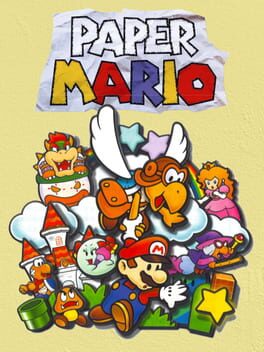
Paper Mario blends classic turn‑based role‑playing combat with platforming puzzles, all presented in a charming paper aesthetic. Players guide Mario across the Mushroom Kingdom, recruiting allies and battling Bowser’s forces to rescue Princess Peach. The game offers witty dialogue, diverse locales, and strategic party mechanics, delivering a light‑hearted yet deep RPG experience suitable for players of all ages.
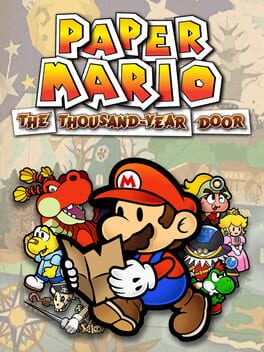
Paper Mario: The Thousand-Year Door is a turn‑based role‑playing game and the second entry in the Paper Mario series. Set in a whimsical world that looks like paper, players guide Mario through themed locations, solving puzzles and battling enemies with a timing‑based combat system that rewards well‑timed button presses. The story follows Mario’s quest to collect seven Crystal Stars, rescue Princess Peach from the alien X‑Nauts, and uncover the mystery behind the fabled Thousand‑Year Door, all while recruiting quirky companions and equipping badges for new abilities.
- Engaging paper art style
- Strategic turn‑based battles
- Humorous writing
- Family-friendly content
- Engaging story with charming humor
- Deep badge customization system
- Varied party members with unique abilities
- Beautiful paper‑style visuals
- Limited multiplayer options
- Linear progression can feel restrictive
- Some puzzles may be overly simple
- Single‑player only limits replay with friends
- Combat can feel repetitive after extended play
- Some puzzles rely heavily on specific badge combos
More alternatives & similar tools
Alternatives to Paper Mario
View all →A paper‑crafted RPG adventure where timing and humor unlock the secrets behind the Thousand‑Year Door.
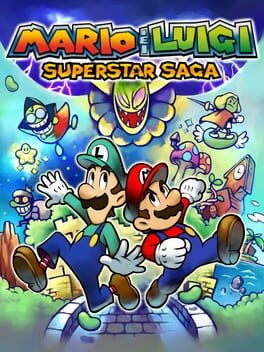
A comedic RPG adventure where brothers team up with Bowser to rescue Peach.
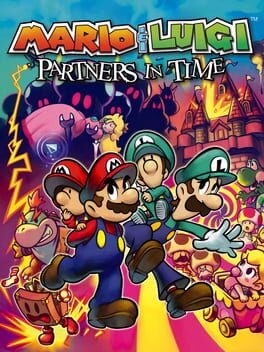
Time‑traveling brothers team up with their babies to save the kingdom
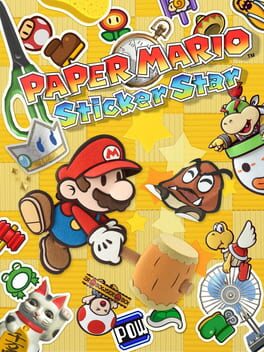
Collect stickers, solve puzzles, and save Decalburg in a colorful adventure
Alternatives to Paper Mario: The Thousand-Year Door
View all →A comedic RPG adventure where brothers team up with Bowser to rescue Peach.
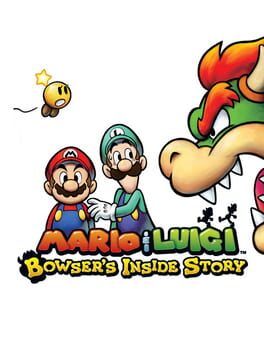
A comedic RPG where you battle inside Bowser’s belly and the Mushroom Kingdom alike
Time‑traveling brothers team up with their babies to save the kingdom
The Verdict
AI-generated from listing dataPaper Mario (2000) is a cheaper, family‑friendly entry with simpler systems, while Paper Mario: The Thousand‑Year Door (2004) offers deeper customization and a richer story at double the price.
Key differences
- •Badge system: Thousand‑Year Door adds extensive badge customization; original has none.
- •Story scope: Thousand‑Year Door spans seven Crystal Star locations; original is a single‑location adventure.
- •Price: Original costs $19.99; Thousand‑Year Door costs $39.99.
- •Age rating: Original is PEGI 3/ESRB E (younger audience); Thousand‑Year Door is PEGI 7/ESRB E (slightly older).
- •Release era: Original released 2000, older graphics; Thousand‑Year Door released 2004 with refined visuals.
Gameplay & fun factor
Thousand‑Year Door adds badge customization and varied party abilities, deepening turn‑based combat.
Platform availability
Both are single‑player Nintendo titles; platform specifics not provided.
Price & value
Original costs $19.99 versus $39.99 for Thousand‑Year Door, offering lower entry cost.
Multiplayer / co‑op
Both are single‑player only.
Content & replayability
Thousand‑Year Door features seven locations, badge combos, and varied puzzles, increasing replay value.
Difficulty & accessibility
Original’s lower age rating (PEGI 3) and simpler puzzles make it more accessible to younger players.
Graphics & performance
Thousand‑Year Door’s later release (2004) provides refined paper‑style visuals over the 2000 version.
Choose Paper Mario if…
Best for budget‑conscious players or young children seeking a simple, family‑friendly RPG.
Choose Paper Mario: The Thousand-Year Door if…
Best for players wanting deeper customization, a larger story, and are willing to pay more.
Common questions
Is the higher price of Thousand‑Year Door justified?
It adds badge customization, more locations, and a richer story, which many consider added value.
Can either game be played with friends?
Both are single‑player only; no multiplayer or co‑op modes.
Which game is more suitable for a young child?
The original Paper Mario has a PEGI 3/ESRB E rating and simpler puzzles, making it more child‑friendly.