


Metal Dungeon vs Wizardry: Proving Grounds of the Mad Overlord
Side-by-side comparison of features, pricing, ratings, and alternatives.
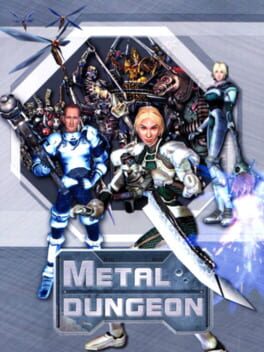
Metal Dungeon is a turn‑based role‑playing game set in an alternate reality where advanced magitechnology has unleashed a rogue ancient creature. Players command Cyborg Enforcer Teams to explore 100 procedurally generated dungeon levels, battling monsters and reclaiming the facility. The game offers deep character creation with over 40 Enforcers, multiple classes, and advanced class chips, while the first ten levels form the main story and the remaining 90 provide extended play for seasoned adventurers.
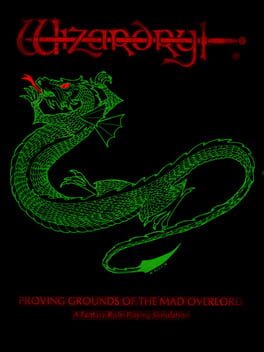
Choose from four base classes and evolve into elite roles like Bishop, Samurai, Lord, or Ninja, then explore a 3‑D vector maze filled with monsters, puzzles, and hidden secrets. The game blends classic RPG mechanics with a rich fantasy narrative, offering a challenging single‑player experience that defined the genre in the early 1980s.
- Highly replayable with 100 random levels
- Extensive character appearance customization
- Variety of classes and advanced class chips
- Strategic turn‑based combat
- Deep party customization
- Rich class evolution system
- Challenging multi‑level dungeon
- Historical significance in RPG genre
- Simple gameplay criticized for lack of depth
- Story considered transparent and weak
- Limited multiplayer options – single player only
- Outdated user interface
- Limited graphics by modern standards
- Steep learning curve for new players
More alternatives & similar tools
Alternatives to Metal Dungeon
View all →
Classic turn‑based dungeon crawl with 10‑level labyrinth of mythic depth

Survive a deadly medieval theme park in this chaotic co-operative hack and slash game.
Turn‑based roguelike adventure with humor, random dungeons and deep skill combos.
Alternatives to Wizardry: Proving Grounds of the Mad Overlord
View all →
The epic conclusion to the classic Wizardry saga, blending deep role‑playing with a rich fantasy world.

Play as the evil Archmage seeking revenge in a deadly labyrinth
Explore a haunted fantasy world where ancient talismans hold deadly power
The Verdict
AI-generated from listing dataWizardry offers classic, deep RPG mechanics with historic appeal but dated UI, while Metal Dungeon provides modern, highly replayable random dungeons with extensive visual customization.
Key differences
- •Dungeon structure: fixed 10‑level maze (Wizardry) vs 100 procedurally generated floors (Metal Dungeon).
- •Character depth: Wizardry’s class evolution system vs Metal Dungeon’s 40+ customizable Enforcers and unlockable class chips.
- •Replay value: Metal Dungeon’s random levels and visual customization vs Wizardry’s static layout and manual saves.
- •Aesthetic era: 1981 pixel graphics (Wizardry) vs 2002 magitech style with more modern visuals (Metal Dungeon).
- •Narrative focus: Wizardry’s story conflict vs Metal Dungeon’s weak, transparent story.
Gameplay & fun factor
Metal Dungeon’s random 100‑floor dungeons and extensive character customization create more varied tactical experiences.
Platform availability
Both are single‑player PC titles; no platform differences are specified.
Price & value
Both are one‑time paid, but Wizardry’s historic significance may justify its price for classic RPG fans.
Multiplayer / co‑op
Both are single‑player only; no multiplayer options listed.
Content & replayability
Metal Dungeon’s 100 random floors and visual customization give higher replay potential than Wizardry’s static 10‑level maze.
Difficulty & accessibility
Wizardry’s steep learning curve and classic UI may deter new players, making Metal Dungeon more accessible.
Graphics & performance
Metal Dungeon’s 2002 magitech graphics are newer than Wizardry’s 1981 pixel art, offering a more modern visual experience.
Choose Metal Dungeon if…
Players seeking high replayability, extensive visual customization, and a more contemporary tactical experience.
Choose Wizardry: Proving Grounds of the Mad Overlord if…
Fans of classic, historically significant RPGs who value deep class evolution over modern polish.
Common questions
Which game offers more content to play through repeatedly?
Metal Dungeon provides 100 randomly generated floors, while Wizardry has a fixed 10‑level labyrinth.
Is either game multiplayer?
Both are single‑player only; no multiplayer or co‑op modes are listed.
Do the graphics differ significantly?
Yes. Wizardry uses 1981 pixel graphics; Metal Dungeon uses newer 2002 magitech visuals, which are more modern.