OXO is a historic computer game created in 1952 by Alexander S. Douglas for the EDSAC computer. It simulates a game of Noughts and Crosses (tic‑tac‑toe) and is the earliest known title to display graphics on a video monitor. Players interact using a rotary telephone controller while the 35×16 dot‑matrix CRT shows the board and the AI opponent's moves. Today it can be experienced on modern PCs via emulation, offering a glimpse into early interactive computing and AI.
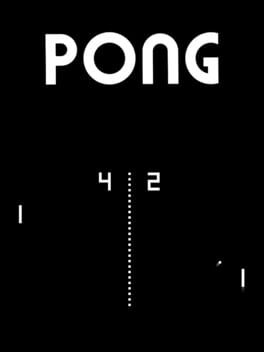
Pong is the iconic 1972 arcade classic that simulates a simple table‑tennis match with two paddles and a ball. Its minimalist graphics and easy‑to‑learn controls made it a cultural phenomenon and the foundation of modern video games. Today Pong is available on PC, offering both single‑player and multiplayer modes for quick, competitive fun. Its retro charm continues to attract casual players and retro enthusiasts alike.
- Shows the origins of video game graphics.
- Simple yet strategic gameplay.
- Historical significance as the first visual computer game.
- Free and runs on modern PCs via emulation.
- Instantly accessible controls
- Fast, bite‑size gameplay sessions
- Historical significance in gaming
- Works on virtually any PC hardware
- Very limited visual fidelity by today's standards.
- Input method (rotary phone) is simulated and may feel unintuitive.
- Single‑player only; no multiplayer mode.
- Very limited depth for long‑term play
- No online multiplayer support
- Graphics are extremely minimalist