


Scrivener vs WPS Office
Side-by-side comparison of features, pricing, ratings, and alternatives.

Scrivener is writing software built specifically for long-form projects like novels, screenplays, and non-fiction books, rather than general-purpose word processing. It organizes a manuscript using a "ring-binder" metaphor with a corkboard and outliner for structuring chapters and scenes, alongside a dedicated research pane for keeping reference material next to the draft.
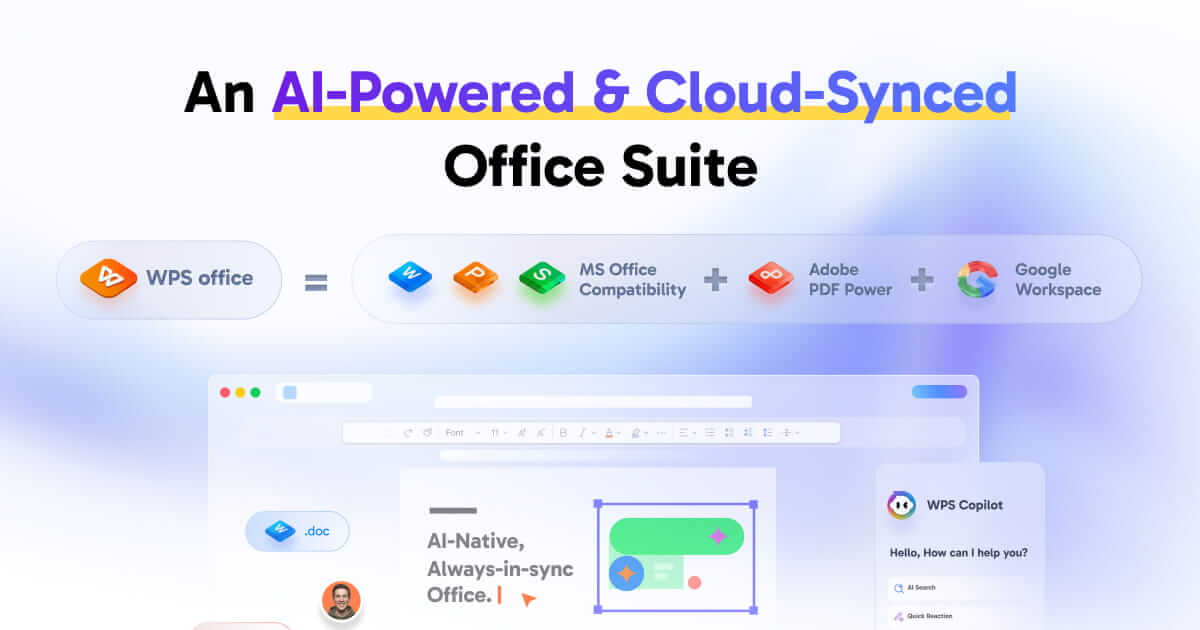
WPS Office provides a complete set of office applications compatible with Microsoft Office formats, including Writer, Spreadsheets, Presentation, and a built‑in PDF editor. It runs on Windows, macOS, Linux, iOS, Android and also offers a web version, letting users work across devices seamlessly. The suite adds AI‑powered features such as smart writing assistance, data analysis suggestions, and automatic slide design, while offering cloud sync and collaboration tools for teams and individuals alike.
- One-time purchase rather than a recurring subscription
- Purpose-built structure (corkboard, outliner, research pane) suits book-length projects better than generic word processors
- Exports to multiple formats including ePub and Final Draft for different publishing paths
- Available on macOS, Windows, and iOS
- Free core functionality
- AI assistance boosts productivity
- Runs on all major OS
- Built‑in PDF tools
- Steeper learning curve than a simple word processor due to its project-based structure
- Not ideal for short documents like letters or one-off reports
- No Android app, limiting mobile use to iOS only
- Ads in free version
- Premium features require subscription
- Limited advanced macro support
More alternatives & similar tools
Alternatives to Scrivener
View all →

Alternatives to WPS Office
View all →


Free Microsoft Office-compatible suite with TextMaker, PlanMaker, and Presentations
The Verdict
AI-generated from listing dataScrivener is a one‑time‑purchase, deep‑feature tool for long‑form book writing, while WPS Office is a free‑core, AI‑enhanced, cross‑platform office suite with broader collaboration tools.
Key differences
- •Pricing model: Scrivener is a single purchase; WPS offers a free tier with ads and optional paid premium.
- •Primary purpose: Scrivener is built for novel/screenplay drafting with corkboard/outliner; WPS is a general office suite for documents, spreadsheets, and presentations.
- •Collaboration: WPS includes real‑time commenting and sharing; Scrivener has no built‑in collaboration features.
- •Platform coverage: Scrivener runs on macOS, Windows, iOS only; WPS covers Windows, macOS, Linux, iOS, Android, and web.
- •AI assistance: WPS provides AI writing suggestions, grammar checks, and data analysis; Scrivener has no AI features.
Pricing & value
WPS core is free (ads), while Scrivener requires a one‑time purchase.
Ease of use / learning curve
WPS feels like a standard office suite; Scrivener has a steeper learning curve due to its project structure.
Features & depth
Scrivener offers specialized corkboard, outliner, research pane, and multiple export formats for long‑form manuscripts.
Integrations & ecosystem
WPS lists integrations with Google Drive, Dropbox, OneDrive; Scrivener lists none.
Collaboration
WPS includes real‑time commenting and link sharing; Scrivener has no collaboration features mentioned.
Support
WPS provides email and live‑chat support; Scrivener support details not specified.
Choose Scrivener if…
Authors needing dedicated outlining, research panes, and one‑time purchase for book‑length projects.
Choose WPS Office if…
Students, professionals, or small businesses needing a free, AI‑enhanced office suite with cross‑platform collaboration.
Common questions
Which tool is cheaper to start using?
WPS Office offers a free core version; Scrivener requires an upfront purchase.
Can I collaborate on a document in real time?
Yes, WPS Office provides real‑time commenting and sharing; Scrivener does not have built‑in collaboration.
Is Scrivener suitable for writing a novel?
Yes, it includes corkboard, outliner, research pane, and export to ePub/Final Draft, designed for long‑form manuscripts.