



Face Symmetry Test
Upload one photo, get an AI-powered facial symmetry score from 68 landmarks across seven feature pairs.
What is Face Symmetry Test?
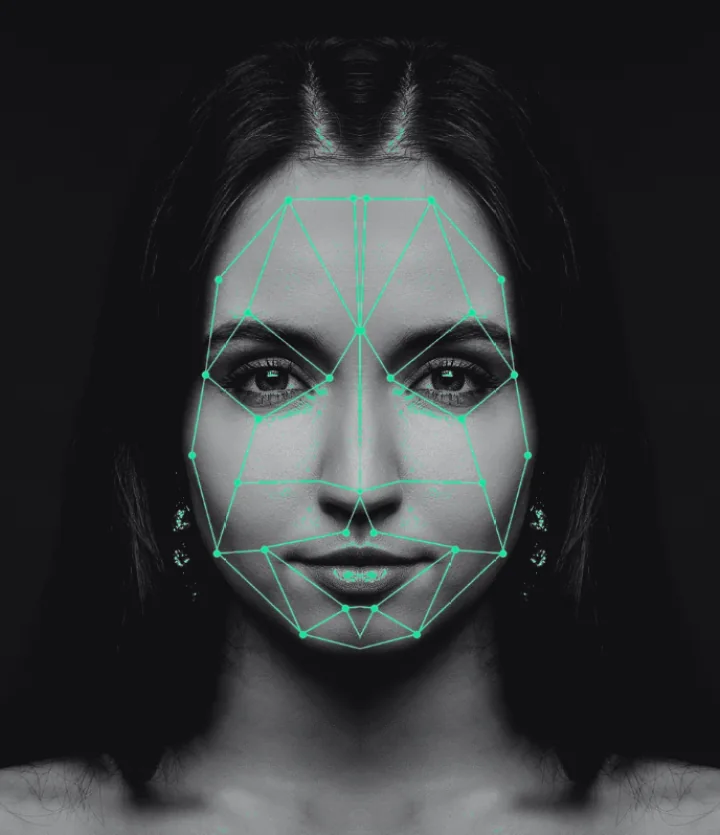
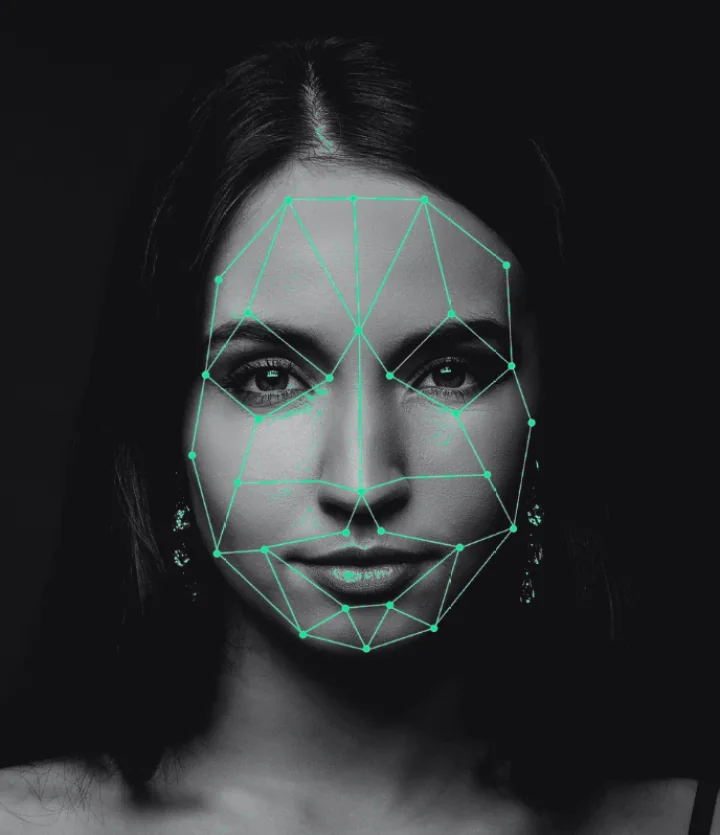
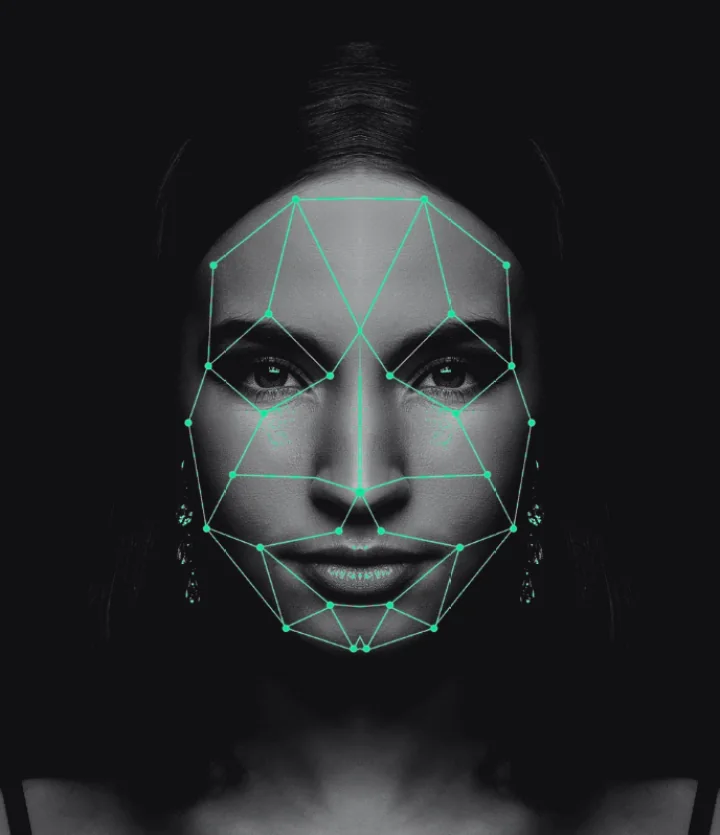
Face Symmetry Test is a free, AI-powered web tool that tells you how symmetrical your face is in a single photo. You simply upload one picture, and the tool detects your face, places 68 landmark points along your jaw, eyebrows, eyes, nose, and mouth, then draws a vertical midline through your face. It measures seven feature pairs — eyes, eyebrows, ears, nose, mouth, upper cheeks, and lower cheeks — against that line, scoring each pair independently and averaging them into an overall symmetry number from 0 to 100.
SpecificationsAI-estimated
Key Features of Face Symmetry Test
Use Cases for Face Symmetry Test
Personal curiosity
See how symmetrical your own face is in a single photo, with a score and breakdown.
Photography improvement
Learn how head angle, lighting, and expression affect how symmetric your face looks in pictures.
Before-and-after comparisons
Take multiple photos with different expressions and angles to understand how much your score varies from shot to shot.
Makeup and grooming planning
Identify which side of your face sits further off the midline to inform makeup, beard, or hairstyle choices.
Educational exploration
Understand how landmark detection and geometric arithmetic can analyze facial structure in an accessible way.
Fun with friends
Test the largest face in a group photo and see how the tool handles a non-single-subject image.
How to use Face Symmetry Test?
Upload a clear photo
Choose a well-lit, straight-on photo with a single face and a plain background. Avoid hair, glasses, or hats covering your face.
Wait for the analysis
The tool detects your face, places 68 landmarks, and computes the seven pair scores and the overall symmetry number.
Review your overall score
See your overall symmetry score and read the explanation of what that range means (e.g., 95–100, 88–95, 80–88, below 80).
Inspect the pair breakdown
Look at each facial pair individually — eyes, eyebrows, ears, nose, mouth, upper cheeks, lower cheeks — to see which feature carries the most asymmetry.
Retake if needed
If your score is low, follow the photo tips such as using flat light and a level head, then upload another photo for a cleaner reading.
Pros & Cons of Face Symmetry Test
Pros
- Completely free with no account or usage limits
- Privacy-focused: photos are processed in memory and never stored
- Transparent, non-black-box methodology explained in plain steps
- Breaks down symmetry into seven individual feature pairs
- Works instantly in the browser with no install
Cons
- Only measures the largest face in group photos, so a single clean photo is required for reliable results.
- Scores fluctuate noticeably with photo quality, lighting, head angle, and expression — it's not a fixed facial property.
- No account, history, or sharing features, so you cannot track changes over time or compare with others.
Frequently Asked Questions
How does the facial symmetry analysis work?
A face detector finds your face in the photo and crops it. A landmark model then places 68 points along your jaw, eyebrows, eyes, nose and mouth. We draw a vertical midline through the face and, for each of seven feature pairs, compare how far the left point sits from that line against how far its right counterpart sits. The smaller the difference, the higher the score for that pair. Your overall number is the average of the seven.
What is extracted from the uploaded photo?
Only geometry. We read the positions of 68 landmark points and the distances between them. Nothing about skin, hair, age or identity is measured, and no face recognition is performed. The cropped face is shown back to you on the results page and is not kept afterwards.
Are the photos stored or used in any other way?
No. The photo is processed in memory to produce your score, handed to the results page, and then it is gone. It is not written to a database, not saved to disk, and not used to train anything.
Is the facial symmetry check free?
Yes, completely free, with no account and no limit on how many photos you run. Advertising on the site covers the cost of running it.
How accurate is the facial symmetry analysis?
The measurement itself is exact: given a set of landmarks, the arithmetic is the same every time. The uncertainty lives in the photo. A small head tilt, a smile that is wider on one side, or light coming from one direction will all move the landmarks and therefore the score. Run the same face twice with different photos and you should expect a few points of drift. Treat the number as a reading of that photo rather than a fixed property of your face.
Can it analyse group photos?
Yes, but it measures one face: the largest one in the frame. That is the person closest to the camera, which is almost always the subject. For a reading you can trust, use a photo with just you in it, since a face further back is smaller, softer and measures less reliably.
How can I improve the accuracy?
Face the camera straight on, keep your head level, use flat even light with no strong shadow on one side, and clear your face of hair, glasses and hats. A neutral expression helps more than people expect, because a natural smile is rarely symmetric.
How often can I use it?
As often as you like. Running two or three photos of yourself is a good idea, because it shows you how much of the score comes from your face and how much comes from the shot.
Reviews & Ratings0.0
No reviews yet. Be the first to write one!
Top Alternatives & Similar Software
View all alternatives & similar software→No alternatives available yet.
People also viewed


Related searches
Is this your tool?
Claim this page to update details, reply to user reviews, and drive more traffic to your product.
Claim this Product →
Tags
Explore Related Topics
Keep up with Face Symmetry Test alternatives
New alternatives, pricing changes and the week's biggest movers - one email every Tuesday.