Discover, compare, and save the best erp systems alternatives.
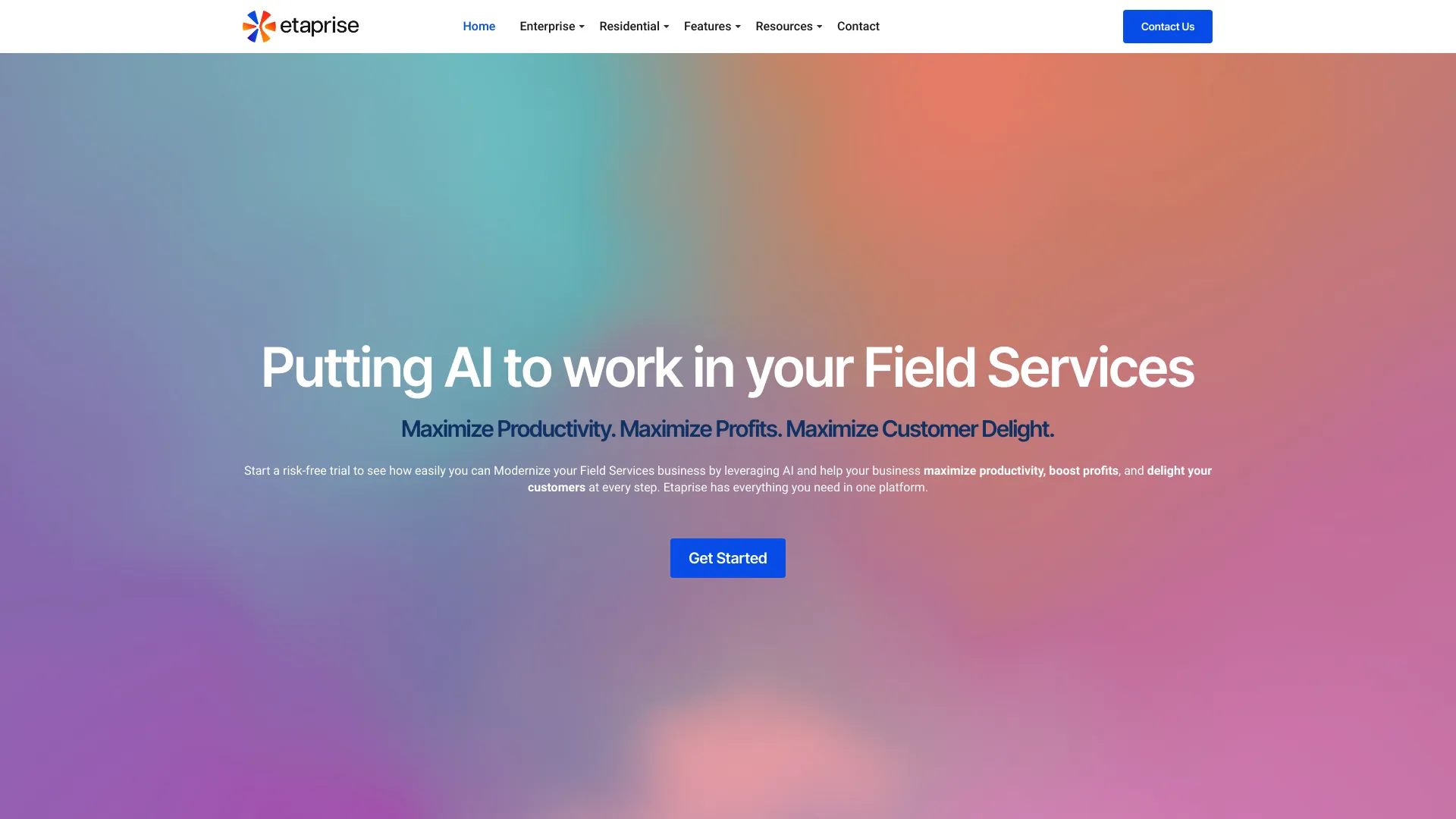
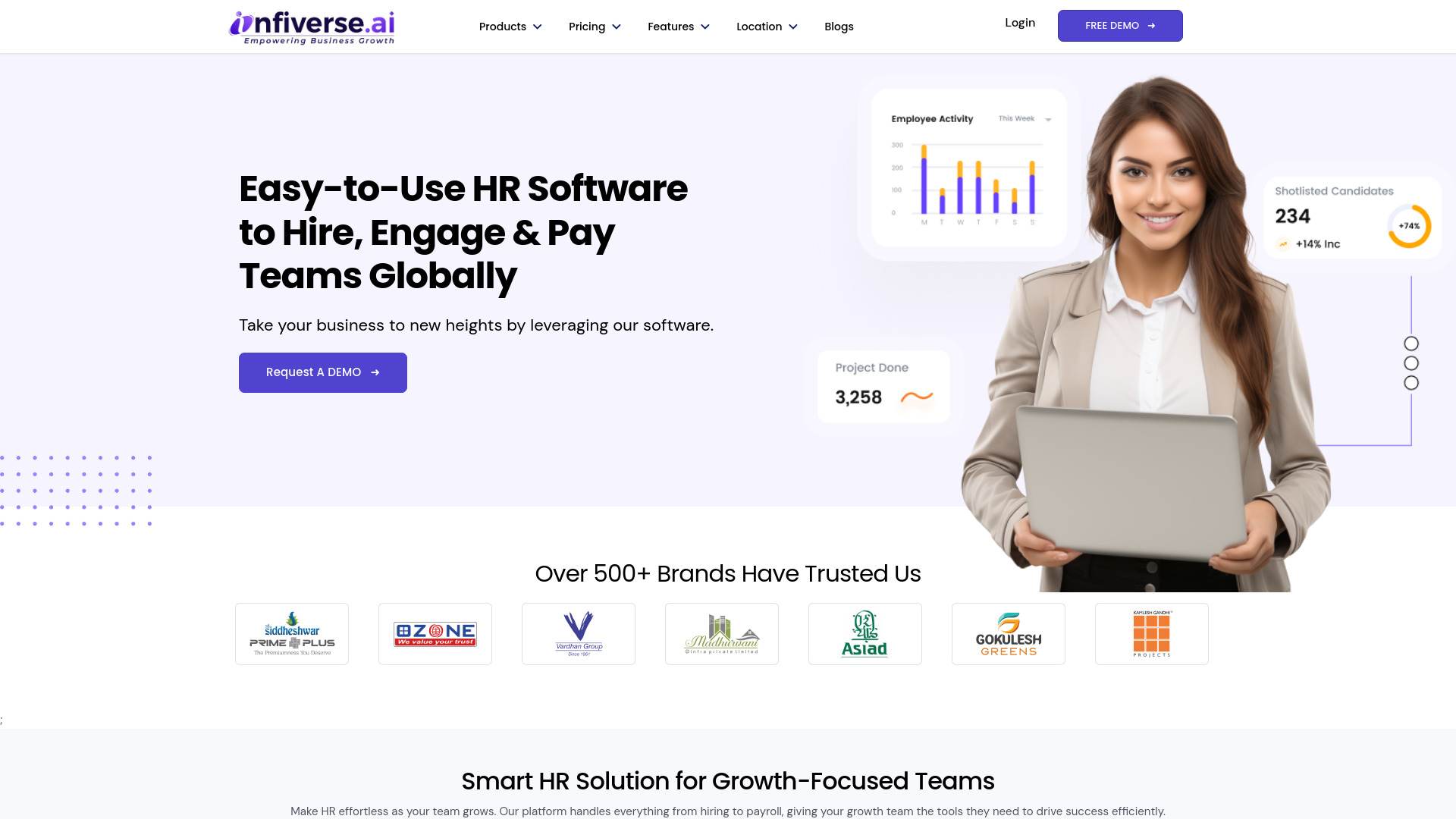
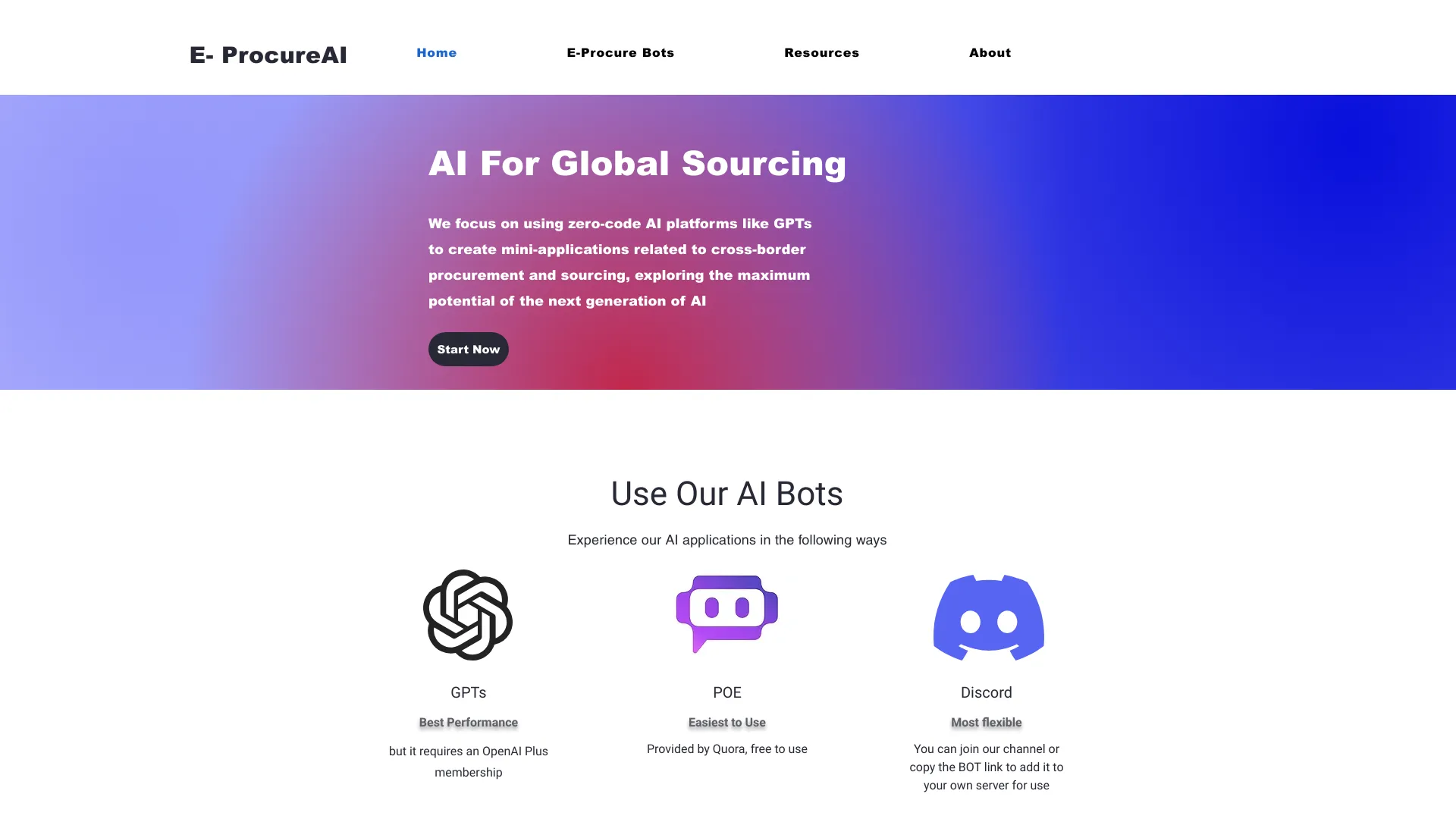
Etaprise, Infiverse AI, e-ProcureAI, DuoSoft, GaussBox and Inventory365 are among the top-rated ERP Systems picks.
ERP Systems are comprehensive software solutions designed to manage and integrate various business functions, such as finance, human resources, and supply chain management. They are ideal for medium to large-sized businesses, as well as organizations with complex operations. By implementing an ERP System, businesses can streamline processes, improve efficiency, and reduce costs. The main differences between ERP Systems lie in their key features, pricing models, and tradeoffs. For instance, some options like ERPNext and Acumatica offer advanced manufacturing and distribution management capabilities, while others like Deskera and ERPAG focus on financial management and accounting. Pricing models also vary, with some vendors offering subscription-based pricing, while others provide perpetual licenses. Choosing the right ERP System can be a daunting task, given the numerous options available. Findalternative.net's comparison tool helps narrow down the field by providing an in-depth analysis of each product's features, pricing, and user reviews. By using our platform, businesses can compare ERP Systems like Katana, Fishbowl, and Ever Gauzy, and find the best fit for their specific needs and budget.
The primary benefit of using an ERP System is to integrate and automate various business functions, leading to improved efficiency, reduced costs, and enhanced decision-making. By streamlining processes, businesses can focus on core activities and drive growth.
To choose the right ERP System, consider your business size, industry, and specific needs. Evaluate the features, pricing, and scalability of each option, and read user reviews to get a sense of the product's performance and support. You can also use findalternative.net's comparison tool to narrow down your options.
Cloud-based ERP Systems, like Acumatica and ERPNext, offer flexibility and scalability, with lower upfront costs. On-premise ERP Systems, like jshERP and farmOS, provide more control over data and security, but require higher initial investments and maintenance costs.
Yes, many ERP Systems offer customization options to meet specific business needs. For example, ERPAG and Deskera provide modular designs, allowing businesses to select and configure the features they need. Additionally, some vendors offer API integrations and development tools for further customization.
To ensure a smooth implementation, it's essential to plan carefully, define clear goals and timelines, and provide adequate training to end-users. You should also consider working with a vendor that offers implementation support and consulting services, like Sortly and Ever Gauzy.
For manufacturing businesses, key features to look for in an ERP System include production planning, inventory management, and supply chain management. Additionally, consider features like quality control, warehouse management, and shipping integration, which can be found in options like Katana and Fishbowl.
To evaluate the scalability of an ERP System, consider the vendor's track record of supporting growing businesses, as well as the product's architecture and technology. Look for features like cloud-based infrastructure, modular design, and flexible pricing models, which can be found in options like Acumatica and ERPNext.
ERP Systems splits into 11 related categories worth browsing on their own: Analytics & BI (45), Project Management (44), E-Commerce (42), CRM Software (38), Marketing Platforms (36), and Accounting & Finance (33) — worth a look if you already know roughly which kind you need.
Browsing by use case instead? These products also surface under ERP (22), Inventory Management (13), Cloud Native (11), CRM (10), Accounting (6), and Open Source (6) — topic pages that pull from the whole catalog, not just ERP Systems.
Comparing across more than just software? Findalternative.net also covers Hardware, Gadgets, Appliances, Games, and Hosting alternatives.
89% run on Web, 38% on iOS, 38% on Android, and 14% on SaaS — check platform support before committing if you need something specific.
Computed from real platform data across the category.
Across the ERP Systems products in our directory, 27% are free or freemium. 74% of products with a documented drawback cite pricing/cost concerns as a tradeoff worth knowing about going in.
Computed from real pricing and pros/cons data across the category — not a review aggregate.