


7 Wonders of the Ancient World vs Columns
Side-by-side comparison of features, pricing, ratings, and alternatives.
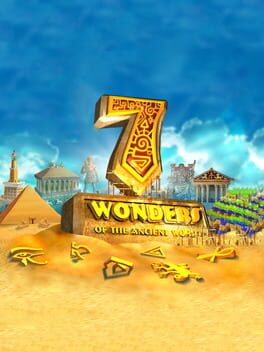
Players reconstruct the legendary Seven Wonders by matching rows of runes across multiple sub‑levels. Each wonder offers 5 to 7 challenging stages where strategic swapping creates rows of three or more identical runes. Two play modes let you test your skills: Free Play lets you revisit any completed level, while Quest Mode guides you through a progressive adventure across all wonders.
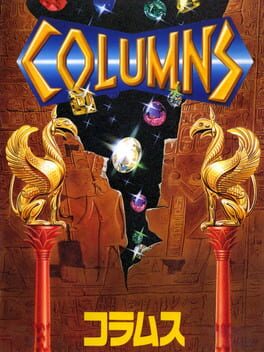
Travel back to the ancient world of Phoenicia where sparkling, rainbow‑coloured jewels cascade down the screen. Align three or more identical jewels horizontally, vertically, or diagonally to perform miracles and clear the board. The game blends simple puzzle mechanics with a fantasy setting, offering both single‑player challenges and competitive split‑screen multiplayer. Designed for all ages, Columns delivers timeless strategy fun on modern platforms.
- Engaging historical theme
- Easy-to-learn controls
- Two distinct play modes
- Suitable for children
- Easy to learn, hard to master puzzle mechanics
- Rich ancient Phoenician visual theme
- Supports both solo and split‑screen multiplayer
- Available on Linux, PC, and Mac
- Limited to single‑player
- Graphics are dated
- No online multiplayer
- Limited visual variety beyond jewel colors
- No online multiplayer or leaderboards
- Audio may feel dated for modern players
More alternatives & similar tools
Alternatives to 7 Wonders of the Ancient World
View all →
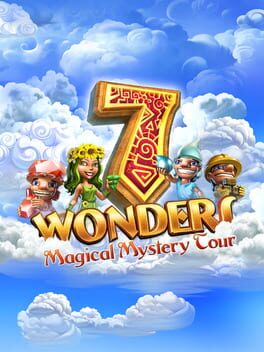
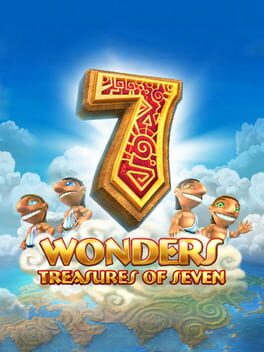
Match-3 adventure restoring the 7 Wonders of the ancient world
Alternatives to Columns
View all →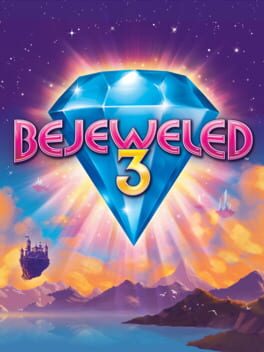
Discover all-new ways to play the world’s #1 puzzle game with 8 breathtaking game modes.

The Verdict
AI-generated from listing dataColumns offers split‑screen multiplayer and broader platform support, while 7 Wonders provides a richer historical theme but is single‑player only.
Key differences
- •Multiplayer: Columns supports split‑screen co‑op; 7 Wonders is single‑player only.
- •Theme: Columns uses ancient Phoenician fantasy; 7 Wonders uses historically inspired wonders.
- •Platform coverage: Columns runs on Linux, PC, and Mac; 7 Wonders only listed for PC (no OS detail).
- •Content depth: 7 Wonders includes 5‑7 rune puzzles per wonder (7 wonders total); Columns focuses on endless jewel drops.
- •Release age: Columns released 1990, 7 Wonders 2006 – affecting graphics and audio expectations.
Gameplay & fun factor
Columns adds real‑time matching with split‑screen competition, increasing replay fun beyond single‑player matching.
Platform availability
Columns runs natively on Linux, PC, and Mac; 7 Wonders lists only a generic PC release.
Price & value
Both are one‑time paid titles; no price data to differentiate value.
Multiplayer / co‑op
Columns offers split‑screen multiplayer; 7 Wonders is limited to single‑player.
Content & replayability
7 Wonders provides 5‑7 puzzles per each of seven wonders, giving structured levels; Columns is endless but less varied.
Difficulty & accessibility
Columns is PEGI 3/ESRB E with simple controls, suitable for very young players; 7 Wonders is also ESRB E but slightly more complex.
Graphics & performance
Both are described as having dated graphics; no clear advantage, so tie.
Choose 7 Wonders of the Ancient World if…
Players (especially kids) who prefer a historical theme with structured puzzle levels and solo play.
Choose Columns if…
Players who want local co‑op or split‑screen competition and cross‑platform support.
Common questions
Can I play either game online with friends?
No. Columns only supports split‑screen local multiplayer; 7 Wonders is single‑player only.
Which game runs on Linux?
Columns runs natively on Linux; 7 Wonders does not list Linux support.
Do both games have the same price model?
Yes. Both are paid one‑time purchases; no subscription or micro‑transaction details provided.