


7 Wonders of the Ancient World vs Jewel Master: Cradle of Rome
Side-by-side comparison of features, pricing, ratings, and alternatives.
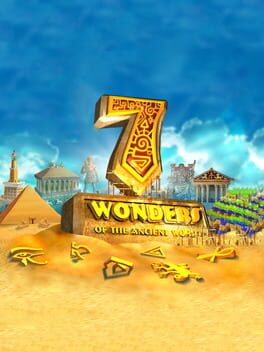
Players reconstruct the legendary Seven Wonders by matching rows of runes across multiple sub‑levels. Each wonder offers 5 to 7 challenging stages where strategic swapping creates rows of three or more identical runes. Two play modes let you test your skills: Free Play lets you revisit any completed level, while Quest Mode guides you through a progressive adventure across all wonders.
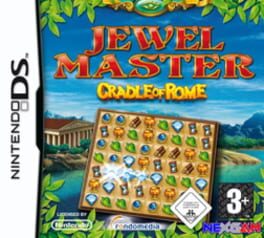
Step into the heart of the Roman Empire and reconstruct iconic monuments like the Coliseum and the Pantheon through engaging match‑3 gameplay. Each level challenges you to clear jewels and earn resources needed to expand your virtual city. As you progress, you unlock over 20 historic structures, turning your puzzle board into a thriving ancient capital. The single‑player experience blends strategy and brain‑teasing fun for casual and dedicated gamers alike.
- Engaging historical theme
- Easy-to-learn controls
- Two distinct play modes
- Suitable for children
- Engaging blend of puzzle and city‑building mechanics
- Rich Roman-themed visuals and authentic monuments
- Easy to pick up for all ages
- Steady progression with clear goals
- Limited to single‑player
- Graphics are dated
- No online multiplayer
- Limited replayability after all structures are built
- No multiplayer or competitive modes
- Graphics are dated compared to modern titles
More alternatives & similar tools
Alternatives to 7 Wonders of the Ancient World
View all →
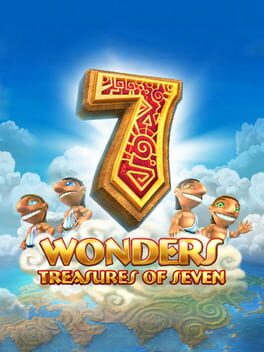
Match-3 adventure restoring the 7 Wonders of the ancient world
Alternatives to Jewel Master: Cradle of Rome
View all →
The Verdict
AI-generated from listing dataJewel Master offers a richer city‑building blend with a linear Roman storyline, while 7 Wonders focuses on simpler rune‑matching puzzles for kids.
Key differences
- •Jewel Master includes over 20 authentic Roman monuments and building bonuses; 7 Wonders has 7 wonders with 5‑7 puzzles each.
- •Jewel Master’s progression is linear and story‑driven; 7 Wonders provides Free Play and Quest modes for flexible replay.
- •Both are single‑player only, but Jewel Master targets puzzle‑strategists, whereas 7 Wonders is aimed at younger, casual players.
- •Graphics are described as dated for both, but Jewel Master emphasizes Roman‑themed visuals; 7 Wonders highlights historically inspired artwork.
Gameplay & fun factor
Jewel Master mixes match‑3 with city‑building bonuses, adding strategic depth beyond 7 Wonders' pure rune matching.
Platform availability
No platform information provided for either product; cannot determine a difference.
Price & value
Jewel Master MSRP is $9.99; 7 Wonders price not specified, so value cannot be compared.
Multiplayer / co‑op
Both are single‑player only; no multiplayer features in either.
Content & replayability
7 Wonders offers Free Play to replay any completed level, whereas Jewel Master has limited replay after all structures are built.
Difficulty & accessibility
7 Wonders is marketed to kids with simple controls; Jewel Master targets broader ages but notes dated graphics.
Graphics & performance
Both are described as having dated graphics; no performance data to differentiate.
Choose 7 Wonders of the Ancient World if…
Kids or casual puzzle fans seeking easy controls and replayable rune puzzles.
Choose Jewel Master: Cradle of Rome if…
Players who want deeper strategy, city‑building, and a Roman historical theme.
Common questions
What is the cost of each game?
Jewel Master costs $9.99; 7 Wonders price is not listed in the provided facts.
Can I play these games with friends?
No. Both titles are single‑player only.
Which game offers more replay value after finishing the main content?
7 Wonders, because its Free Play mode lets you replay any completed level, while Jewel Master has limited replay after all monuments are built.