


7 Wonders of the Ancient World vs Luxor 3
Side-by-side comparison of features, pricing, ratings, and alternatives.
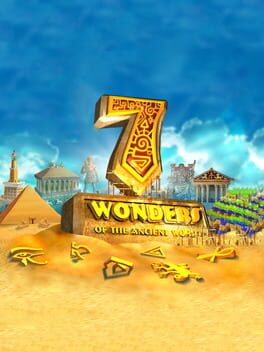
Players reconstruct the legendary Seven Wonders by matching rows of runes across multiple sub‑levels. Each wonder offers 5 to 7 challenging stages where strategic swapping creates rows of three or more identical runes. Two play modes let you test your skills: Free Play lets you revisit any completed level, while Quest Mode guides you through a progressive adventure across all wonders.
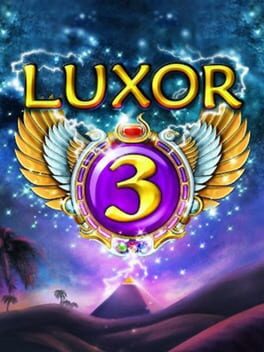
A brave young Pharaoh, turned into a scarab by the gods, must battle the chaotic god Set. Players stop colorful magical spheres by matching three or more as they travel through a maze, freeing captured deities along the way. Collect Ankh coins to purchase upgrades and call upon godly power‑ups, racing against the spheres before they reach the pyramid. The game blends fast‑paced action with classic puzzle mechanics for a single‑player adventure steeped in Egyptian myth.
- Engaging historical theme
- Easy-to-learn controls
- Two distinct play modes
- Suitable for children
- Engaging match‑3 mechanics with a unique Egyptian twist
- Varied power‑ups keep gameplay fresh
- Clear progression and upgrade system
- Family‑friendly rating suitable for all ages
- Limited to single‑player
- Graphics are dated
- No online multiplayer
- Limited to single‑player experience
- Graphics are dated compared to modern titles
- Replayability may diminish after completing all levels
More alternatives & similar tools
Alternatives to 7 Wonders of the Ancient World
View all →
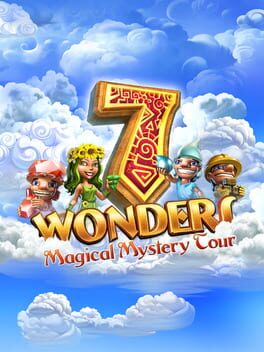
Match-3 adventure restoring the 7 Wonders of the ancient world
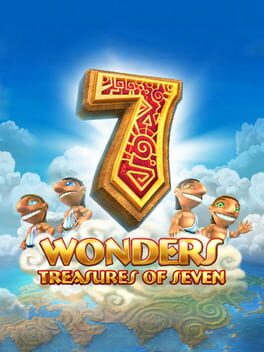
Alternatives to Luxor 3
View all →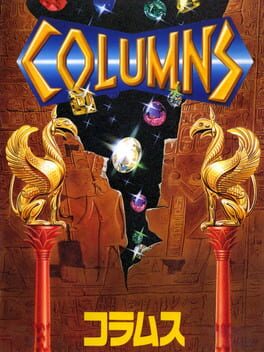
The Verdict
AI-generated from listing dataBoth are one‑time‑purchase, single‑player puzzle games, but Luxor 3 offers an Egyptian match‑3 with upgradeable power‑ups, while 7 Wonders provides a historically themed rune‑matching game with two distinct play modes.
Key differences
- •Theme: Egyptian mythology vs ancient world wonders.
- •Power‑up system: Luxor 3 includes scarab upgrades and god‑specific abilities; 7 Wonders has only strategic rune swapping.
- •Play modes: 7 Wonders offers Free Play and Quest Mode; Luxor 3 has only a linear level progression.
- •Puzzle structure: Luxor 3 presents escalating mazes; 7 Wonders contains 5‑7 rune puzzles per wonder.
- •Target audience nuance: Luxor 3 is aimed at casual puzzle gamers; 7 Wonders emphasizes kids and younger players.
Gameplay & fun factor
Luxor 3 adds upgradeable scarab abilities and god‑specific power‑ups, giving more mechanical variety than 7 Wonders.
Platform availability
Both listings provide no platform details; cannot determine a difference.
Pricing & value
Both are paid one‑time purchases; no price amounts given to differentiate value.
Multiplayer / co‑op
Both are single‑player only per specifications.
Content & replayability
7 Wonders includes Free Play mode to replay any completed level, extending replay value beyond linear progression.
Difficulty & accessibility
7 Wonders uses simple point‑and‑click controls aimed at kids, making it more accessible than Luxor 3’s timing‑based mazes.
Graphics & performance
Both are described as having dated graphics; no further distinction provided.
Choose 7 Wonders of the Ancient World if…
Kids or casual players who prefer simple click controls and historical wonder settings.
Choose Luxor 3 if…
Players who enjoy match‑3 with power‑ups and an Egyptian adventure theme.
Common questions
Are either of these games multiplayer?
No. Both are listed as single‑player only.
Which game offers more ways to replay completed levels?
7 Wonders includes a Free Play mode that lets you replay any completed level at any time.
Do both games cost the same?
Both are described as paid one‑time purchases; specific prices are not provided.