


Dragon Ball Z: Gekitou Tenkaichi Budoukai vs Dragon Ball Z: V.R.V.S.
Side-by-side comparison of features, pricing, ratings, and alternatives.
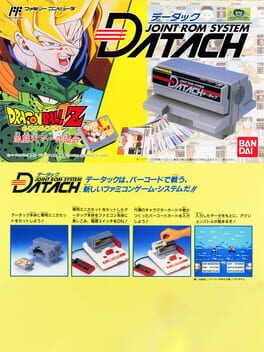
Dragon Ball Z: Gekitou Tenkaichi Budoukai is the inaugural fighting title based on the Dragon Ball Z franchise, released in late 1992. It introduced a unique Datach Joint Rom System card reader that lets players swipe special cards to unlock characters, moves, and items. The game offers both single‑player and multiplayer modes, blending classic arcade‑style combat with a collectible‑card mechanic, making each match feel fresh as new cards are added.
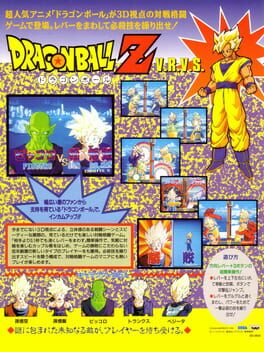
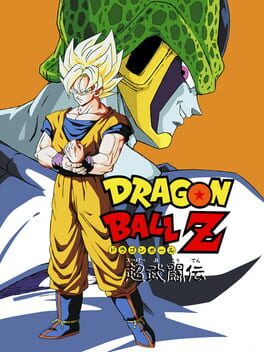
Dragon Ball Z: V.R.V.S. is a 1994 fighting game that brought the high‑energy battles of the anime to Sega's System 32 arcade hardware. Developed by Banpresto and Sega Enterprises, it features a roster of iconic characters and fast‑paced combat. Players can duel in single‑player mode or challenge friends in head‑to‑head multiplayer, experiencing the series' signature moves and combos in an arcade‑style setting.
- Innovative card‑reader integration
- Authentic retro fighting experience
- Both single‑player and multiplayer options
- Encourages collection and replayability
- Faithful to the Dragon Ball Z source material
- Responsive two‑player controls
- Rich sprite animation for its era
- Fast‑paced, easy‑to‑learn combat
- Limited to original hardware accessories
- Hard to find replacement cards today
- Graphics are dated by modern standards
- Limited to arcade hardware, no modern ports
- Small character roster compared to later titles
- No online multiplayer support
More alternatives & similar tools
Alternatives to Dragon Ball Z: Gekitou Tenkaichi Budoukai
View all →
Epic DBZ battles with manga‑style graphics and destructible arenas.
Classic Dragon Ball fighting action on the Mega Drive era hardware
Alternatives to Dragon Ball Z: V.R.V.S.
View all →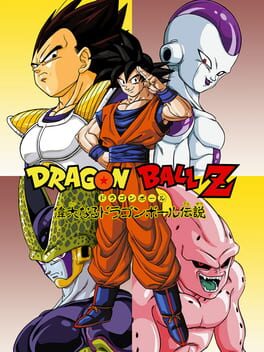
Classic Dragon Ball fighting action on the Mega Drive era hardware
The Verdict
AI-generated from listing dataBoth are retro DBZ fighting games, but Dragon Ball Z: Gekitou Tenkaichi Budoukai adds a unique card‑reader mechanic while V.R.V.S. offers classic arcade joystick controls.
Key differences
- •Card‑reader integration vs. standard arcade joystick controls
- •Requires original Datach hardware and cards (A) vs. runs on Sega System 32 arcade cabinet (B)
- •A includes collectible cards that affect stats; B has no such collection system
- •A released 1992 on Nintendo hardware; B released 1994 on Sega arcade hardware
- •A’s multiplayer relies on card swapping; B supports simultaneous two‑player head‑to‑head on one cabinet
Gameplay & fun factor
A adds card‑based character customization and unlockable attacks, creating extra strategic depth beyond standard moves.
Platform availability
B runs on a dedicated Sega arcade cabinet; A needs the rare Datach card reader, making B slightly more accessible in arcades.
Price & value
Both are one‑time purchases, but A’s collectible cards add replay value despite the difficulty of finding replacements.
Multiplayer / co‑op
B supports two players simultaneously on the same cabinet, while A’s multiplayer depends on swapping cards.
Content & replayability
A’s card‑collection system encourages repeated play to complete the set; B has a fixed, smaller roster.
Difficulty & accessibility
B’s joystick and six‑button layout is standard for arcade fighters; A requires learning the card‑reader mechanic.
Graphics & performance
B uses Sega System 32 hardware with detailed sprite animation; A’s retro graphics are dated even for its era.
Choose Dragon Ball Z: Gekitou Tenkaichi Budoukai if…
Collectors who want card‑based customization and don’t mind hunting for Datach accessories.
Choose Dragon Ball Z: V.R.V.S. if…
Arcade fans who prefer immediate two‑player action on a standard cabinet.
Common questions
Do I need extra hardware to play either game?
A requires the Datach card reader and cards; B runs on a Sega System 32 arcade cabinet with built‑in controls.
Which game offers more replay value?
A, because its collectible cards unlock new fighters, stats, and special attacks, encouraging repeated play.
Can I play these games at home on modern consoles?
Not specified for either title; both are tied to original 1990s hardware.