


The Bard's Tale Construction Set vs ZZT
Side-by-side comparison of features, pricing, ratings, and alternatives.
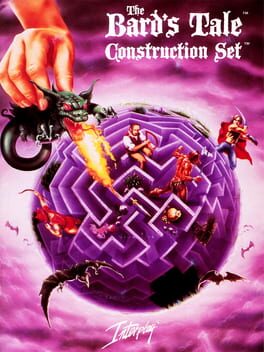
The Bard's Tale Construction Set is a 1991 software package that lets users design simple dungeon‑crawl RPGs using the classic Bard's Tale engine. Developed by Interplay Productions and distributed by Electronic Arts, it runs on MS‑DOS and was also released for the Amiga. With this tool you can build maps, define monsters, craft items, and script events, then export a standalone executable that runs on compatible PCs, allowing you to share your creations with friends.
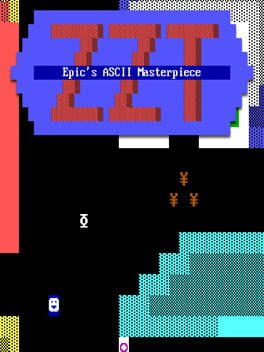
ZZT is a DOS‑based ASCII game creation program that lets you design simple top‑down shooters or adventure experiences. Its built‑in object‑oriented scripting lets you add puzzles, enemies, and interactive elements without writing complex code. Developed and published by Epic Games in 1991, ZZT remains a classic tool for retro game enthusiasts and aspiring designers who enjoy crafting their own fantasy worlds in a minimalist pixel art style.
- Authentic Bard's Tale engine
- No programming required for basic games
- Standalone executables can be shared easily
- Comprehensive map and item editors
- Easy-to-learn scripting
- Fast level creation
- Low system requirements
- Strong retro community
- Runs only on legacy DOS/Amiga environments
- Limited graphics and sound capabilities
- Steep learning curve for advanced scripting
- Limited graphics to ASCII
- No official multiplayer support
- Outdated interface
More alternatives & similar tools
Alternatives to The Bard's Tale Construction Set
View all →
Create and play your own epic adventures with 8 built‑in stories
Alternatives to ZZT
View all →Create and play your own epic adventures with 8 built‑in stories
Create your own classic dungeon-crawl games with the original Bard's Tale engine
The Verdict
AI-generated from listing dataBoth are free‑to‑play retro game creation tools from 1991, but ZZT is free with a simpler scripting system, while Bard's Tale Construction Set costs money and offers a more authentic Bard's Tale engine.
Key differences
- •Pricing: ZZT is free; Bard's Tale Construction Set requires a one‑time purchase.
- •Engine authenticity: Bard's Tale uses the original Bard's Tale combat system; ZZT uses its own simple mechanics.
- •Distribution format: Bard's Tale outputs standalone DOS executables; ZZT saves .ZZT files that need the ZZT interpreter.
- •Learning curve: ZZT’s scripting is described as easy‑to‑learn; Bard's Tale’s advanced scripting is noted as steep.
- •Platform support: ZZT can run on modern PCs via compatibility layers; Bard's Tale runs only on legacy DOS/Amiga environments.
Pricing & value
ZZT is free, while Bard's Tale Construction Set requires a paid one‑time purchase.
Platform availability
ZZT runs on modern PCs via compatibility layers; Bard's Tale is limited to legacy DOS/Amiga.
Gameplay & fun factor
Bard's Tale offers authentic turn‑based combat from the original series, which may be more engaging for RPG fans.
Multiplayer / co‑op
Both are single‑player only; no multiplayer support in either product.
Content & replayability
ZZT’s strong retro community provides many shared .ZZT files, enhancing replay value.
Difficulty & accessibility
ZZT’s easy‑to‑learn scripting and low system requirements make it more accessible.
Graphics & performance
Both use limited ASCII or legacy graphics, but ZZT runs on modern hardware with fewer compatibility issues.
Choose The Bard's Tale Construction Set if…
Best for retro RPG enthusiasts who want authentic Bard's Tale mechanics and can run legacy DOS software.
Choose ZZT if…
Ideal for beginners, hobbyists, or anyone wanting a free, easy‑to‑learn tool on modern PCs.
Common questions
Is there any cost to start creating games with ZZT?
No, ZZT is free.
Can I share games made with Bard's Tale Construction Set without requiring the engine?
Yes, it compiles games into standalone DOS executables.
Which tool runs on current Windows machines without extra emulators?
ZZT can run on modern PCs through compatibility layers, while Bard's Tale requires legacy DOS/Amiga environments.