


Kaltura Video Platform vs VideoLingo
Side-by-side comparison of features, pricing, ratings, and alternatives.


Kaltura Video Platform is an extensible, open‑source video management system that lets organizations host, stream, monetize, and analyze video content at scale. It provides a unified UI, robust APIs, and AI‑driven features such as automatic transcription, facial recognition, and content recommendation. The platform can be deployed in the cloud as a SaaS service or self‑hosted on‑premises, and integrates with LMS, CMS, marketing automation, and collaboration tools. It is used by media companies, universities, and enterprises to power internal training portals, live events, and customer‑facing video experiences.
VideoLingo is an AI-powered video localization platform that generates cinema-grade bilingual subtitles and natural dubbing, aiming to connect audiences across language barriers frame by frame. Built for content creators, educators, and global teams, it goes beyond simple machine translation by adding cultural localization, domain-specific terminology handling, and polished single-line subtitles with precise timing. The platform is currently in Beta and offers a free trial covering up to 15 minutes of video. With a strong open-source community background, the project has earned more than 18,740 stars on GitHub and emphasizes continuous improvement and collaborative development. Its processing pipeline is designed for speed: users can upload content, choose target languages, and receive localized videos in just a few clicks. The service supports 8+ languages and is frequently praised by technical instructors, bloggers, and designers for accurately capturing jargon and preserving the original speaker's tone and intent. VideoLingo is especially valuable for technical content creators who need precise subtitle translations for programming tutorials, online courses, and professional training materials. The combination of cultural adaptation, domain expertise, and natural voice synthesis makes it a versatile tool for making knowledge accessible globally, without the stiff, robotic feel typical of automated translation and dubbing.
VideoLingo offers a free tier with limited features plus paid subscription plans at $5 per month for Starter and $30 per month for Pro.
- Highly customizable via open‑source code
- Robust AI features for transcription and recommendation
- Supports both SaaS and self‑hosted deployments
- Comprehensive analytics and monetization options
- Cinema-grade bilingual subtitles with accurate cultural localization
- Domain-specific terminology handling for technical content
- Natural voice synthesis preserves emotional tone and speaking style
- Fast, streamlined workflow requiring only a few clicks
- Enterprise pricing requires contact and can be costly
- Self‑hosting demands technical expertise and infrastructure
- User interface may feel complex for small teams
- Currently in Beta, so features and stability may evolve over time
- Free tier is limited to 15 minutes of video
- Only 8+ languages are supported, which may not cover all regions or dialects
- The homepage lacks detailed information about advanced editing or enterprise features
More alternatives & similar tools
Alternatives to Kaltura Video Platform
View all →


Video platform for sales and marketing teams to record, host, and track personalized videos.
AI-powered cinema-grade bilingual subtitles and dubbing that localize video content frame by frame.
Alternatives to VideoLingo
View all →
Translate your videos seamlessly in 140+ languages with natural voice clone and preserve authentic speaking styles.

One AI editor to localize any video or audio into 50+ languages through dubbing, translation, captions, and subtitles.
Open‑source video suite for enterprise streaming, publishing and analytics
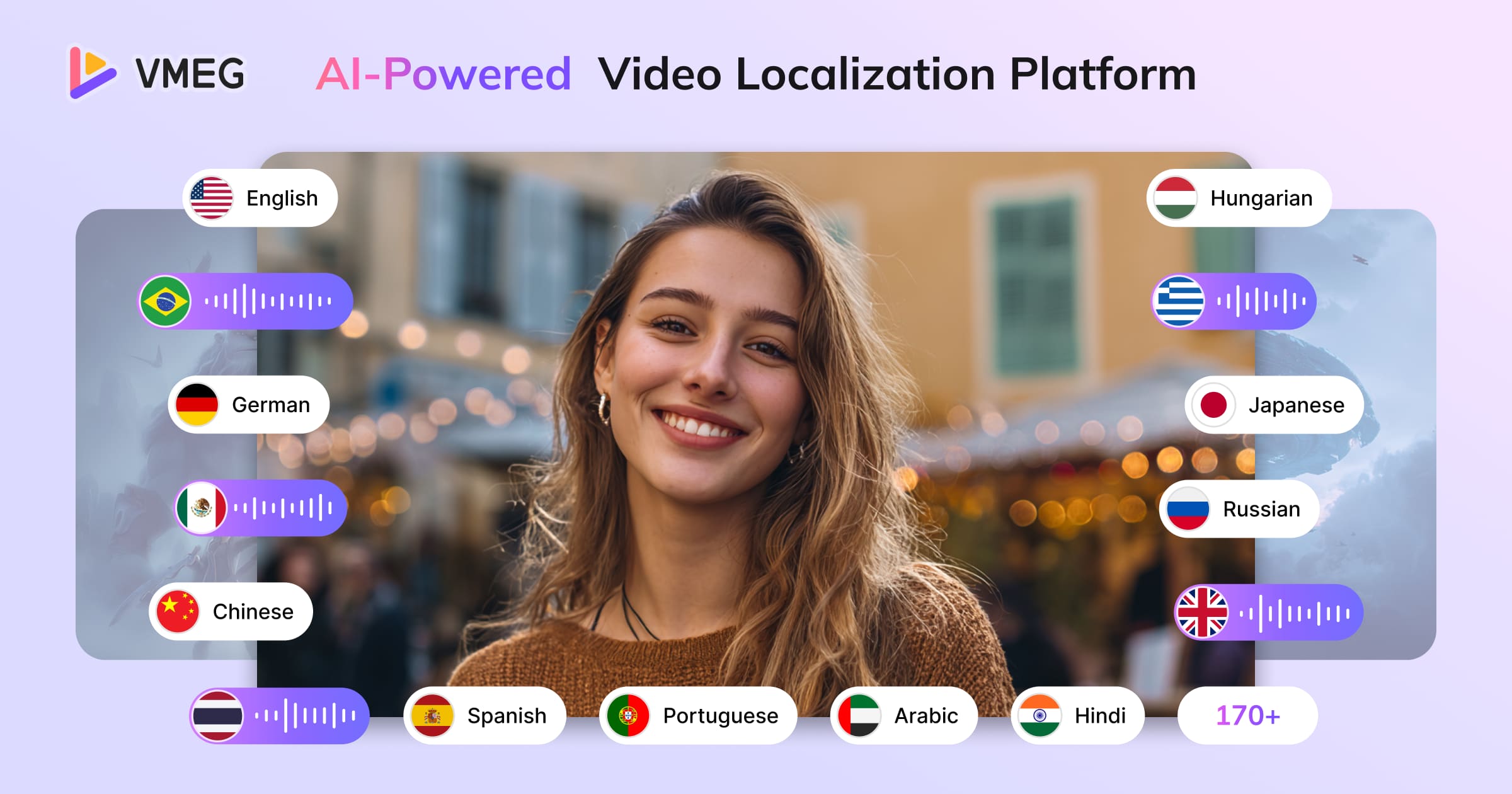
Translate videos into 170+ languages with AI voices, voice cloning, subtitles, and lip-synced dubbing—all in one online studio.
The Verdict
AI-generated from listing dataKaltura offers a full‑featured, enterprise‑grade video platform with streaming, analytics and DRM, while VideoLingo provides a niche AI subtitle/dubbing tool that’s easier to use but limited in scope.
Key differences
- •Scope: Kaltura handles hosting, streaming, monetization; VideoLingo only adds subtitles/dubbing.
- •Ease of use: VideoLingo works in a few clicks; Kaltura’s UI is complex for small teams.
- •Pricing model: Kaltura pricing is unknown and likely enterprise‑level; VideoLingo has a free tier and $5/mo paid plan.
- •Integrations: Kaltura lists many enterprise integrations; VideoLingo lists none.
- •Support: Kaltura offers 24/7 enterprise support; VideoLingo’s support details are not specified.
Pricing & value
VideoLingo offers a free tier and a clear $5/month plan; Kaltura pricing is unknown and likely costly.
Ease of use / learning curve
VideoLingo processes videos in a few clicks; Kaltura’s UI may feel complex for small teams.
Features & depth
Kaltura provides transcoding, live streaming, DRM, analytics, monetization; VideoLingo focuses only on subtitles/dubbing.
Integrations & ecosystem
Kaltura lists integrations with Moodle, Blackboard, Salesforce, AEM, Teams; VideoLingo lists none.
Support
Kaltura offers email, phone, 24/7 enterprise support; VideoLingo support details are not specified.
Security & privacy
Kaltura includes granular access controls and DRM; VideoLingo provides no security details.
Choose Kaltura Video Platform if…
Enterprises or schools needing full video hosting, streaming, analytics, and DRM.
Choose VideoLingo if…
Content creators who need quick AI subtitles/dubbing for multilingual videos.
Common questions
What is the total cost to use each platform?
Kaltura pricing is not disclosed and requires contact; VideoLingo has a free tier and paid plans starting at $5 per month.
Can VideoLingo replace a full video hosting solution?
No; VideoLingo only adds subtitles and dubbing, while Kaltura provides hosting, streaming, DRM, and analytics.
Which product offers enterprise‑grade support and security?
Kaltura offers 24/7 enterprise support, granular access controls, and DRM; VideoLingo’s support and security features are not specified.